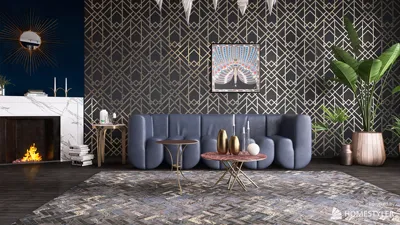


In the last ten years of my journey as an interior designer, I've witnessed a significant transformation in living room paint trends, shifting from cool grays to inviting earthy shades. With an abundance of inspiration available on Pinterest, it can be overwhelming to choose a direction. However, the charm of smaller living spaces is they challenge us to think creatively. In this article, I will outline ten of my cherished living room paint concepts, informed by my personal projects and insights from color experts, to assist you in discovering the ideal hue that illuminates your area. To enhance your design experience, consider using tools like Homestyler for a more visual approach.
1. Soft Sage Green Calm
My Experience: I incorporated soft sage green in a compact urban apartment, and it effortlessly created a tranquil atmosphere, steering clear of any dullness.
Advantages: This gentle green works brilliantly in natural light and complements wood finishes, making it a highly adaptable choice for living room paint ideas on platforms like Pinterest. Additionally, Benjamin Moore has also highlighted similar greens as top trend colors for 2024.
Disadvantages: In dimly lit rooms, sage can appear murky—it's wise to test it prior to finalizing your decision.
Suggestion: Pair this color with ivory curtains and light oak flooring to achieve a Scandinavian-inspired aesthetic.
2. Deep Navy Drama
My Experience: I transformed a stark white loft into a cozy den using a deep matte navy, making the space feel like being enveloped in a stylish blanket.
Advantages: Deep navy serves as a refined backdrop for warm metallics and velvet upholstery, fitting seamlessly into both contemporary and classic designs.
Disadvantages: When applied in very small rooms, it can create a sense of constriction unless paired with light furnishings.
Suggestion: Enhance the look with brass lighting fixtures for an opulent touch.
3. Warm Terracotta Glow
My Experience: Incorporating terracotta into a client’s dark, north-facing living room instantly infused warmth—no additional lighting modifications necessary.
Advantages: It brings depth and coziness, making it ideal for Bohemian or Mediterranean styles.
Disadvantages: A strong hue may restrict future decor alterations.
Suggestion: If uncertain, start with a feature wall—this can accentuate wooden details and woven textiles beautifully.
4. Muted Blush Serenity
My Experience: A soft blush was an unexpected yet rewarding choice for my living room, and I’ve never looked back.
Advantages: It's gentle, warm, and kind to walls, making it perfect for renters desiring a subtle upgrade.
Disadvantages: Lighting can sometimes render it overly pink, so sampling beforehand is advisable.
5. Charcoal with Crisp White Trim
My Experience: Using a bold charcoal paired with bright white accents has a luxurious appeal without the need for a full renovation.
Advantages: This classic combination is elegant; it serves as a striking foundation for art pieces.
Disadvantages: Darker shades may require regular clean-up due to dust accumulation on walls.
6. Earthy Olive Elegance
My Experience: A shop-worn condominium was revitalized into a chic hideaway with olive green during one of my latest renovations.
Advantages: It harmonizes beautifully with leather furnishings and textured rugs, aligning with Dulux’s recommended earthy trend for 2024.
Disadvantages: Proper lighting is essential to prevent it from looking outdated.
Suggestion: Combine with brass accents and walnut shelving for a cozy, upscale vibe.
7. Creamy Greige Balance
My Experience: Greige—an elegant blend of gray and beige—serves as my reliable choice when clients are torn between warm and cool tones.
Advantages: This color is remarkably adaptable and can make compact spaces feel open yet grounded.
Disadvantages: Without layered textures, it may come off as flat.
8. Sunset Ombre Accent
My Experience: An ombre gradient transitioning from coral to soft peach, inspired by Pinterest, became a standout feature in a client’s home.
Advantages: It offers a high visual impact and sparks conversations, perfect for accent walls.
Disadvantages: Applying this technique requires skill, so those opting to DIY should practice first.
9. Monochrome Layering
My Experience: Utilizing varying shades within the same color spectrum adds depth without feeling cluttered—an approach I adopted from showroom styles.
Advantages: It fosters a cohesive aesthetic, working well in minimalistic and modern homes.
Disadvantages: Without careful balancing of patterns and textures, it may seem overly uniform.
Suggestion: Combine matte and gloss finishes to introduce subtle contrasts.
10. Bold Mustard Accent
My Experience: On one project, a striking mustard accent wall invigorated a mid-century sofa and lent character to the space.
Advantages: It's vibrant and full of character; remarkably effective in eclectic settings.
Disadvantages: It might not appeal to the color-averse and can clash with cooler color schemes within the room.
Suggestion: Soften the vibrancy with cream and natural wood accents for a harmonious effect.
Conclusion
Small living rooms provide a unique opportunity to amplify style—challenging us to approach color with greater creativity and intent. As color psychologist Karen Haller suggests, the hues we choose for our walls can shape both the aesthetics and emotions of a space. Which of these Pinterest-inspired living room paint ideas resonates with you the most? For a more interactive design experience, consider utilizing tools like Homestyler to visualize your chosen shades.
FAQ
1. What are the upcoming trends for living room paint colors in 2024?
Earthy greens, subdued blues, and warm neutrals are forecasted to dominate this year according to Dulux and Benjamin Moore.
2. How do I select an appropriate paint color for a compact living area?
Choose lighter shades to enhance spaciousness or select a bold accent wall for added depth.
3. Can darker shades be effective in a small living room?
Absolutely, especially when complemented by lighter furnishings and adequate lighting.
4. Should I strictly adhere to Pinterest trends?
Utilize Pinterest for inspiration, but always test color swatches at home before making a commitment.
5. What is the ideal finish for living room walls?
Eggshell or satin finishes are recommended, as they’re more straightforward to clean without excessive shine.
6. How do accent walls impact the perception of space?
According to the fundamentals of Colour Theory, darker accent walls add depth whereas lighter tones enhance the feeling of space.
7. How can I coordinate paint colors with my furniture?
Identify secondary colors from upholstery or rugs to guide your selection.
8. Is mixing multiple bold colors an acceptable practice?
Yes, but ensure a harmonious palette and implement each hue in a minimum of two elements for balance.
Homestyler is your go-to online home design platform that simplifies the design process. With its user-friendly design tool, stunning 3D renderings, and a wealth of inspiring projects and video tutorials, you can effortlessly transform your space into a dream home—perfect for all skill levels!
Projete agora para LIVRE
































