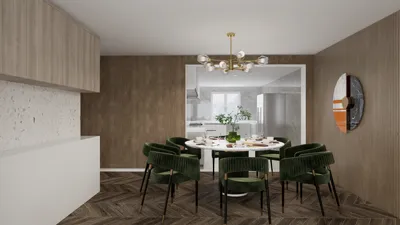


In a past project, I persuaded a client that painting their small kitchen "barn red" would infuse it with uniqueness. However, once we viewed it under natural light, it resembled a bright tomato from my grandmother's dining table. We shared a good laugh, repainted the area, and I gained a valuable lesson regarding undertones and lighting. For anyone looking to experiment without commitment, creating a small-space mood board is a smart way to foresee possible issues.
When dealing with compact areas, creativity becomes essential; selecting the right rustic interior paint colors can transform a cramped kitchen into a warm and inviting space. Here, I’ll outline five color schemes I have effectively used during real renovations, along with the compromises and clever tricks that saved both time and money.
1. Warm Neutrals: Clay, Taupe, and Soft Ochre
Warm neutrals can evoke a charming rustic vibe when combined with raw wood or exposed brick textures. I prefer to apply clay or taupe to three walls, and use a richer ochre for the trim to enhance cabinetry visibility — they are resilient and effectively disguise wear, making them perfect for lively households.
However, under cool LED lighting, these colors might look unexciting; I typically advise using warm light bulbs and introduce textured fabrics to add depth to the space. A smart budget choice is to select a quality mid-range paint in an eggshell finish, which offers durability without the high price tag.
save pin
2. Barn Red & Deep Terracotta
Utilizing deep terracotta or muted barn red in small quantities can create a striking focal point — whether it’s an accent wall, shelving units, or the back of a pantry, it brings warmth without overpowering the area. I once applied this technique in a compact mudroom, and it instantly enhanced the space's intentionality.
One challenge is that these hues may appear orange if they possess strong undertones. My go-to strategy is to sample several color swatches at various times of the day and maintain a neutral color palette around to prevent visual overload.
save pin
3. Olive & Moss Greens
Greens—such as olive, moss, or sage—are my secret to achieving rustic interiors that feel fresh and uncomplicated. They harmonize beautifully with black hardware and aged brass, while also concealing scuff marks effectively in high-traffic spaces.
If you’re uncertain about depth, utilize Homestyler to generate realistic 3D views of your room and visualize light and shadow interacting with green walls. A small warning: green undertones can change with the presence of plants and wooden elements, so make sure to test colors close to the items you plan to retain.
save pin
4. Chalky Blue & Dusty Teal
For achieving a coastal-rustic or vintage farmhouse aesthetic, chalky blues and dusty teals are exceptional choices. They evoke a sense of calm and pair beautifully with white-washed wood or reclaimed oak; I frequently incorporate these shades in bathrooms and bedrooms to instill a tranquil atmosphere.
Because these colors can feel too cool, I balance them with warm metallic elements or natural fiber rugs. If you’re on a restricted budget, consider painting just an accent panel or door first — you may appreciate the subtle impact without committing to an entire repaint.
save pin
5. Weathered Gray & Wood Stains
A weathered gray wall paired with visible wood stains evokes a lived-in rustic aesthetic that photographs splendidly. I suggest combining a cool gray wall with warm-stained furniture to create a cozy contrast that adds character to the space.
One modern shortcut I often utilize is using software like Homestyler to suggest complementary color palettes; when I require precise combinations, consulting AI recommendations helps me narrow down options efficiently. However, keep in mind that achieving a true weathered appearance often necessitates complex layered finishes, which could increase labor costs.
save pin
FAQ
Q1: What sheen is best for rustic interior paint colors?
A1: I generally recommend using eggshell or matte finishes for walls as they conceal imperfections and suit rustic textures perfectly. Sherwin-Williams also endorses eggshell or satin finishes as well-balanced options for interior walls (source: sherwin-williams.com).
Q2: How can I test paint colors in a small room?
A2: It's essential to test full-size swatches on various walls and observe them in morning and evening light. Small sample pots are an inexpensive way to prevent poor color choices.
Q3: Can rustic colors help a small room appear larger?
A3: Yes — warm neutrals and soft muted greens or blues can visually expand an area, while deep or saturated tones create a cozier but smaller atmosphere.
Q4: Are some rustic colors more favorable for resale?
A4: Neutral warm tones (like soft taupes and clay) are generally the safest investments for resale, appealing to a wider audience while still providing charm. Accent colors can be used, provided they remain easily reversible.
Q5: How do natural materials influence color selection?
A5: Wood undertones and metal finishes can alter the perceived color; it’s wise to test paint near existing floors, cabinetry, and fixtures to ensure coherence. I often sample alongside the actual materials to maintain harmony.
Q6: Is it possible to achieve rustic looks on a tight budget?
A6: Absolutely. Concentrate your paint efforts where they matter most (like an accent wall or the backs of cabinetry), and consider using low-cost reclaimed wood or peel-and-stick options to introduce texture affordably.
Q7: What kind of lighting should I take into account for rustic palettes?
A7: Warm LED bulbs (between 2700K and 3000K) complement rustic palettes well, enhancing undertones effectively. Cooler light can render warm reds and ochres flat or overly orange.
Q8: How do I maintain painted rustic surfaces?
A8: Use durable paints for areas with high foot traffic and clean gently with mild soap; matte finishes may reveal marks more readily, so it's advisable to keep touch-up paint on hand.
Homestyler is your go-to online platform for home design! With an easy-to-use design tool, stunning 3D renderings, and a wealth of inspiring design projects and video tutorials, you can effortlessly transform your space into a dream home. Start creating today!
Projete agora para LIVRE
































