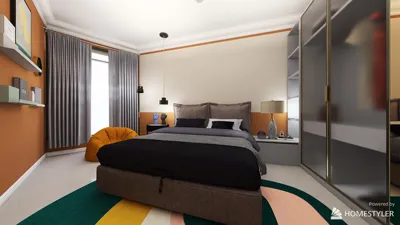


I once arrived at a job in Waller, TX, with a can of paint labeled "soft linen," only to discover that the client desired a more vibrant hue. The tiny kitchen initially appeared like a sepia-toned disaster, but I salvaged the situation using contrast and strategic lighting. This experience taught me valuable lessons: color selection is crucial in compact spaces, and local shops are essential when aiming for the perfect match — sometimes, I even send a quick interactive room sketch to my local partners for speedy color selections, such as Waller Paint and Body.
1. Utilize vertical storage to maximize floor space
In my designs, I frequently incorporate tall cabinets, open shelves, and narrow pantries to create more storage options without altering your overall layout. The benefit is clear: you gain more storage while maintaining the same footprint. The challenge lies in decorating these elevated spaces to prevent them from feeling overwhelming; I typically alternate between concealed drawers and open shelving to strike a balance between functionality and visual appeal.
save pin
2. Incorporate reflective surfaces and subtle contrasts
Using mirrors, shiny backsplashes, and semi-gloss paints can enhance light flow and visually enlarge a room. In a charming Waller bungalow I worked on, the combination of a high-gloss backsplash and satin ceiling trim made the kitchen feel approximately 20% larger, though it does mean that fingerprints may be more visible.
save pin
3. Choose multifunctional furniture for greater versatility
Consider items like storage benches, foldable tables, or washer-dryer combos that double as prep surfaces. I often create layouts to see how different elements fit; this approach helps me determine if a compact island will be beneficial or merely obstructive. For small kitchens, I rely on adept kitchen layouts to visualize traffic flow prior to making any major decisions.
save pin
4. Maintain a cohesive color palette while daring in small accents
Compact areas respond best to a unified color scheme with one bold focal point — whether it’s a painted wall, an eye-catching hood, or a standout cabinet. I once combined a gentle cream with a striking deep teal door to create a beautiful and intentional contrast that made the entrance visually pop. However, it’s essential to remember that excessive dramatic color can overwhelm a space; always sample swatches in varying light conditions.
save pin
5. Use 3D visualization to avoid unexpected surprises
Before placing any paint or cabinetry orders, I always craft a quick 3D mock-up so clients can visualize aspects like light, shadows, and proportion. This practice helps prevent the common question of "why does it look different in person?" and saves valuable time by providing a realistic 3D representation to confirm materials and finishes. It's my preferred method for refining details without incurring costly alterations on-site.
save pin
FAQ
Q1: What paint finish is ideal for small kitchens?
A: For compact kitchens, satin or semi-gloss finishes are advisable because they reflect light and are easier to wipe clean. Flat finishes can hide imperfections but often reflect less light, making a small area seem flatter.
Q2: How can I match a car or auto body color to my kitchen cabinetry?
A: For accurate color matching, bring paint chips or digital samples to a trustworthy local shop like Waller Paint and Body; professionals can create a matching sample and advise on suitable durable finishes for indoor environments.
Q3: Are bold colors a risky choice in small rooms?
A: Bold colors can create a striking impact when used judiciously as accents; they draw attention and add depth. The key is to balance bold hues with neutrals and test on a 2x2-foot panel before committing to an entire wall.
Q4: How does 3D rendering assist with paint and finish choices?
A: It is extremely beneficial — 3D renders illustrate how materials interact with light and help avert expensive mistakes. I often share these renders with craftsmen to ensure everyone is aligned on the same visual reference.
Q5: What is the optimal lighting strategy for a small kitchen?
A: A layered lighting approach — including ambient, task, and accent light — is crucial. Combining under-cabinet LEDs with pendant lights over work surfaces creates both functionality and ambiance without requiring additional space.
Q6: Can small kitchens still feature open shelving?
A: Absolutely, but it's best to keep it curated; open shelves are most appealing with a consistent color scheme and a mix of essential and decorative items. Having too many objects can quickly create a cluttered appearance.
Q7: Where can I find effective design planning tools?
A: Opt for planning tools that enable you to experiment with layouts and finishes; they can save time and costs by identifying issues early. If you seek a polished presentation for contractors, utilizing realistic 3D rendering can be incredibly advantageous.
Q8: Are there safety or health considerations regarding paint in older homes?
A: Definitely — lead paint is a concern in homes constructed before 1978. The EPA offers guidance on lead-based paint risks and best practices for safe renovations (refer to EPA lead renovation guidelines).
save pin
Homestyler is your go-to online home design platform, perfect for bringing your creative visions to life! With its user-friendly design tool, stunning 3D renderings, and a wealth of DIY video tutorials, you can effortlessly explore design projects and transform your space into a dream home.
Projete agora para LIVRE
































