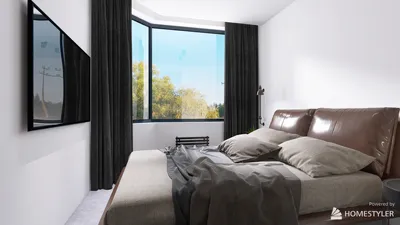


I once faced a challenge trying to persuade a client that blue walls could create the illusion of spaciousness in their snug living area. They opted for a combination of navy and chocolate brown, which initially left me hesitant. However, recalling a diminutive apartment that embraced bold color choices to enhance its layout changed my perspective. Small rooms often require innovative solutions, and a palette featuring grey, brown, and blue can transform constraints into distinctive style. In this article, I’ll share five practical inspirations derived from real projects that allow these hues to harmonize beautifully.
1. Ground the Space with a Warm Brown Sofa
Begin by selecting a warm brown sofa to serve as the central visual anchor. In one studio project, I used leather-like fabric that stabilized the entire design. Brown introduces a sense of warmth that prevents grey from appearing too stark, while blue accents—such as cushions or throws—infuse the space with character. However, keep in mind that leather-like materials can be prone to scratches; consider using protective arm covers or opting for more durable fabrics.
save pin
2. Layer Shades of Grey for Added Depth
Incorporate two or three varying shades of grey across walls, rugs, and curtains to cultivate depth without creating clutter. In a recent design project, I painted an accent wall a deep grey alongside lighter dove-grey on the adjacent walls; this combination made the seating area feel warm and inviting instead of boxed in. The key is in balancing undertones — warm greys harmonize with brown, while cooler greys complement blue accents.
save pin
3. Highlight Blue as the Accent Color
Feature blue as the accent color through artworks, cushions, or a striking cabinet. In one instance, I painted a slender console in a soft blue, which instantly elevated the overall aesthetic of the room. Blue brings tranquility and contrast, but caution is advised with brighter shades; opt for muted or desaturated blues to maintain visual harmony.
save pin
4. Incorporate Natural Textures to Unite Colors
Materials like rattan, wood, and woven fabrics serve as my secret ingredients — they seamlessly connect the modern edge of grey, the coolness of blue, and the organic warmth of brown. In a compact flat, I added a jute rug and a walnut side table, creating a sense of intentionality within the palette. A consideration is that natural materials often require more upkeep, but they provide lasting allure.
save pin
5. Enhance Layout with Strategic Zoning
In small living rooms, I prefer zoning areas instead of overcrowding them: a slender bookshelf can define a reading nook, while a low console delineates the TV area. This smart zoning approach enables the color trio—grey, brown, and blue—to coexist as cohesive layers rather than competing elements. If you wish to experiment with layouts before finalizing furniture arrangements, utilizing planning tools like Homestyler can be highly beneficial for testing different designs and sightlines.
save pin
FAQ
Q: Can grey, brown, and blue be effectively used in a very small living room? A: Absolutely — focus on using a dominant neutral (either grey or brown) while keeping blue as an accent. Lighter greys can help make the space feel more open, while brown adds that essential warmth.
Q: What type of flooring complements this color palette best? A: Warm wooden tones or neutral grey tiles are ideal; it's best to avoid overly cool-toned floors that may make brown feel misplaced.
Q: How do I select the right shade of blue? A: Opt for muted or dusty blues to ensure harmony with brown and grey; testing samples in various lighting conditions before making a commitment is advisable.
Q: How much blue should I integrate into the design? A: Aim for approximately 10–20% of visual weight in accessories and one standout piece to prevent the palette from becoming overwhelming.
Q: Do you have any recommendations for selecting fabrics? A: Combining textures—such as velvet blue cushions, linen grey curtains, and a leather or woven brown sofa—adds interest while keeping additional colors to a minimum.
Q: Is it possible to add patterns to this color scheme? A: Certainly, subtle geometric or organic patterns in textiles can bring energy to the room; just ensure the pattern colors align with your existing palette for cohesion.
Q: Where can I find reliable layout tools for planning my space? A: For effective layout testing, I often suggest online planning tools like Homestyler that allow you to experiment with various furniture placements and color schemes before making any purchases; they can save both time and costly mistakes.
Q: Are there credible sources available regarding color psychology? A: Yes — academic research summaries on color and mood from design institutions offer valuable insights (consult university psychology department publications for details).
save pin
Homestyler is an outstanding online home design platform perfect for anyone looking to create their dream space. With its user-friendly design tool, stunning 3D renderings, a wealth of design projects, and helpful video tutorials, you can effortlessly bring your interior design visions to life!
Projete agora para LIVRE
































