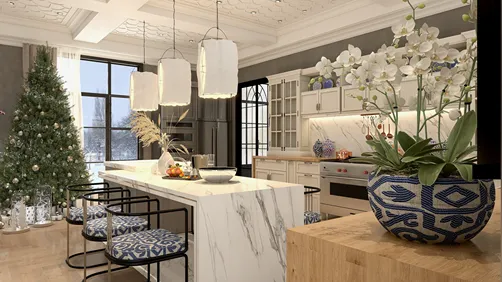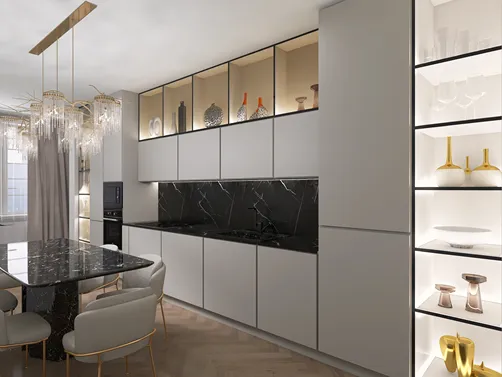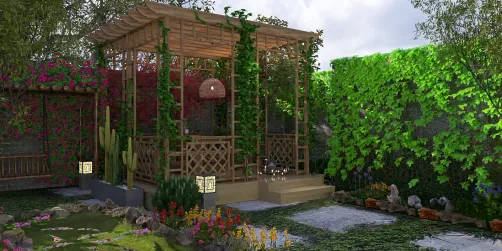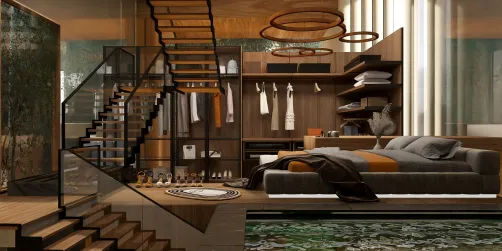
Wabi Sabi is a captivating Japanese aesthetic that honors the charm found in imperfection, temporality, and organic elements. Integrating Wabi Sabi principles into kitchen design can foster a warm and inviting environment that feels both distinctive and genuine. Picture a kitchen adorned with rustic wooden cabinetry, uneven ceramic bowls, and hand-crafted utensils that tell their own stories. In this piece, we will delve into inspiring Wabi Sabi kitchen concepts that can metamorphose your cooking area into a haven of simplicity and elegance, enhanced by tools like Homestyler for visualizing these designs.
Utilizing Natural Materials in Wabi Sabi Kitchens
Incorporating natural materials is fundamental for achieving a Wabi Sabi kitchen. Consider selecting reclaimed wood for your cabinetry, stone for countertops, and artisan pottery for accents. These elements not only infuse personality but also establish a connection with nature. For instance, a reclaimed wood island displaying visible knots and imperfections instantly brings warmth and history to the area—serving as a perfect conversation piece when entertaining guests!
Color Schemes and Textures
A Wabi Sabi kitchen thrives on earthy shades and gentle textures. Envision incorporating muted hues such as soft whites, grays, and browns, paired with materials like linen and raw cotton. A soft, natural color palette, occasionally accented with green, can cultivate a tranquil atmosphere. Feel free to experiment with various textures; combining a rugged stone backsplash with sleek wooden shelves can produce a harmonious yet captivating visual effect.
Accepting Flaws in Design
Honestly, who hasn’t wrestled with the concept of achieving perfection? Wabi Sabi compels us to appreciate imperfections. Think about leaving some surfaces unpolished or opting for handmade items that may not be symmetrical. This approach generates a sense of authenticity and encourages discussions around each piece. For instance, a slightly askew shelf can emerge as a delightful focal point, reflecting your unique aesthetic.
Integrating Plants and Natural Illumination
To intensify the Wabi Sabi ambiance in your kitchen, introduce plants and enhance natural light. Living greenery not only improves air quality but also breathes vitality into your space. Consider placing small herb pots on your windowsill or suspending a few plants in macramé hangers. Moreover, expansive windows permitting generous natural light will render your kitchen more open and welcoming, highlighting the beauty of your chosen natural materials and design elements, including those showcased on Homestyler.
Frequently Asked Questions
What is your greatest challenge in crafting a Wabi Sabi kitchen? Feel free to share your thoughts below!