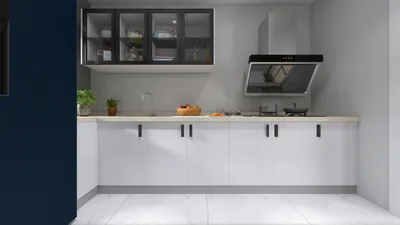


The design of solid state lighting (SSL) is transforming the way we light our environments, providing energy efficiency, adaptability, and durability that conventional lighting simply cannot compete with. Central to SSL technology is the employment of semiconductor devices, notably LEDs (light-emitting diodes), which convert electrical energy into light directly. This innovative approach not only lowers energy usage but also leads to reduced operational expenses, making it an appealing choice for both residential and commercial setups. As designers, we are presented with a remarkable chance to weave these state-of-the-art lighting solutions into our projects, enhancing visual appeal while championing sustainability. When crafting a solid state lighting layout, there are several crucial elements to take into account. Firstly, it’s essential to comprehend the purpose of the space and how lighting can elevate its utility. For example, effective task lighting is critical in a kitchen for cooking, whereas a softer, more ambient light is often favored in living areas. Secondly, the color temperature of the selected LEDs should be evaluated carefully. Various temperatures can elicit distinct moods; warm white light (approximately 2700K) provides a comforting environment, while cooler white light (around 5000K) invigorates and is ideal for work settings. Moreover, another significant factor in solid state lighting design is the strategic placement and distribution of fixtures. Well-placed lights can reduce glare and shadows, fostering a harmonious and welcoming atmosphere. It’s beneficial to utilize various layers of light—ambient, task, and accent—to create depth and richness in your designs. Additionally, integrating smart lighting controls that allow users to modify brightness and color temperature according to their preferences can greatly improve overall user experience. In recent years, the combination of smart technology with solid state lighting has unveiled new possibilities for designers. Smart LEDs can be programmed to alter colors, dim lights, or even sync with music, delivering an adaptive lighting experience that aligns with the user’s mood or activity. This innovation not only boosts functionality but also adds a personalized touch to designs. Ultimately, solid state lighting design transcends mere illumination; it’s about crafting spaces that promote well-being and creativity. With an extensive array of fixtures, colors, and technologies at our disposal, designers can shape extraordinary lighting experiences that resonate deeply with users. As we advance, embracing these innovations will not only refine our designs but also pave the way for a sustainable future. The possibilities with solid state lighting are boundless, and by integrating them into our projects, we can shine a light on a brighter future with tools like Homestyler.
Tips 1:
Always experiment with various color temperatures to discover the perfect ambiance for your space.
FAQ
What advantages does solid state lighting offer? Solid state lighting provides enhanced energy efficiency, a longer operational lifespan, and reduced maintenance expenses compared to traditional lighting.
How does solid state lighting stack up against traditional lighting types? SSL is more energy-efficient, lasts longer, and grants greater design flexibility over both incandescent and fluorescent lighting.
welcome to Homestyler



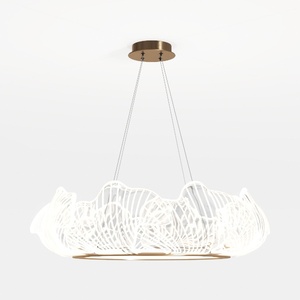
Homestyler is your go-to online home design platform! With its user-friendly design tool, stunning 3D renderings, vast library of design projects, and engaging DIY video tutorials, it's never been easier to create your dream space. Unleash your creativity and transform your home effortlessly!
Projete agora para LIVRE
































