

Transforming a compact event space into a welcoming environment can be a seamless process when key elements like circulation, lighting, and acoustics are effectively optimized. Throughout my experience planning numerous intimate venues ranging from 350 to 1,200 square feet, I've learned that every detail—from chair arrangement to cabling and sightlines—plays a vital role. The aim here isn't merely to increase capacity; rather, it's about fostering an ambiance that encourages guests to interact, enjoy, and create lasting memories, which can be aided by using tools like Homestyler.
When it comes to ensuring capacity and comfort, empirical data is crucial. Research from Steelcase demonstrates a direct correlation between spatial design and enhanced engagement in events, highlighting that flexible environments lead to improved experiences. WELL v2 provides specific benchmarks, including lighting and acoustics guidelines, crucial for small venues that prioritize comfort without excessive spatial demands. By emphasizing these metrics from the start, I ensure decisions are driven by performance needs rather than fleeting trends. For further insights, explore the WELL v2 features related to light and acoustic comfort at wellcertified.com.
The balance of lighting ratios greatly affects the ambiance and aesthetics of photography. According to the Illuminating Engineering Society (IES), an optimal range of 100–300 lux for ambient social lighting, along with 300–500 lux in task areas, is recommended. I typically aim for a 1:3 contrast ratio between focal points (like bars or stages) and the surrounding ambient light; this approach adds depth while minimizing glare, resulting in more flattering skin tones in photos.
Purposeful Zoning for Room Definition
Creating distinct zones within small event spaces can significantly enhance their perceived size. I typically divide the area into three functional sections: arrival (greeting and coats), socialize (clusters of seating), and focal (features like stages or photo walls). Each section is assigned specific lighting temperatures and acoustic treatments to craft a cohesive narrative. If you’re considering different furniture layouts and flow, utilizing a design tool like Homestyler can help visualize circulation paths and seating arrangements efficiently before finalizing plans.
Prioritize Circulation and Sightlines
For events where guests may stand, I recommend maintaining a 42–48 inch aisle width, while secondary pathways should be 30–36 inches wide. In seated arrangements, I generally keep a minimum of 54 inches behind chairs along main aisles for service and 36 inches for secondary paths. Ensure sightlines are unobstructed towards focal points: avoid tall decor within a 30-degree angle from the room’s center. For larger gatherings exceeding 50 attendees, I prefer a staggered table arrangement to create a sense of depth.
Optimal Stage and Backdrop Sizing
In smaller venues, oversized stages can disrupt the sense of space. Generally, a stage should occupy about 25–35% of the room’s width, with a depth of 6–8 feet for performances or speeches. Backdrops should stand 6–10 inches off the wall, featuring a 3–5 inch LED backlight to create a subtle floating effect and conceal unsightly cable runs. Additionally, keep the backdrop height between 12–18 inches below the ceiling to maintain the room’s vertical perception.
Layered Lighting to Control Glare
I utilize a three-layer lighting strategy: ambient (soft uplighting or dimmed fixtures), accent (focused lighting on key elements like floral arrangements), and sparkle (decorative micro LEDs). For receptions, ambient lighting should sit around 150–200 lux, while accent lighting can reach approximately 300–400 lux at focal points. Select a color temperature range of 2700–3000K for inviting warmth; maintain accent lights at 3000–3500K for a bright, unfaltering presentation. Position 30-degree beam pinspots to minimize light spill and ensure luminaires are out of direct sightlines to prevent glare. For adherence to best practices, consult IES lighting standards at ies.org/standards.
Acoustic Soundscapes for Conversational Clarity
In small venues, excessive reverberation undermines conversational clarity. I target an RT60 (reverberation time) of 0.6–0.8 seconds for social events. You can achieve this with 15–25% wall coverage using soft absorption materials (like acoustic felt or drapery) and ensuring a rug coverage of 40–60% beneath seating arrangements. Consider adding diffusion treatments to walls facing each other to mitigate flutter echoes—utilizing slatted wood with spaces works well aesthetically and functionally.
Furniture Selection: Scale, Density, and Flexibility
Prioritize lighter, modular furnishings. I often use round café tables (24–30 inches) to promote mingling and incorporate two-seater banquettes to optimize space usage without impeding movement. For banquet settings, 60-inch round tables can accommodate 6 guests comfortably in tight quarters; 30x72 inch rectangular tables serve 6 while maintaining aisles. It’s advisable to keep the total chair count at 70–80% of actual guest count for cocktail-style events to enhance circulation.
Understanding Color and Material Psychology
Colors play a significant role in shaping atmospheres, with warm neutrals and soft jewel tones fostering intimacy and celebration within a space. Avoid overly vibrant colors on large wall areas; instead, reserve them for accents like backdrops or bar fronts. Low-sheen finishes help reduce glare, while matte metallics bring depth without overwhelming the visual space. Choosing sustainable materials—such as high-recycled-content carpet tiles, FSC-certified wood, and low-VOC paints—helps maintain indoor air quality during the event.
Event Logistics for Bars, Buffets, and Service
Position the bar opposite the entry to encourage guests to engage more with the space, ensuring it's not directly facing the focal wall. Maintain a clear pathway of 4 feet in front and 3 feet behind for smooth service flow. For buffets, employ a two-line setup to duplicate popular dishes at both ends, while placing plates on both sides to reduce queue times. For seated dinners, ensure a 5–6 foot space near the kitchen to facilitate bussing without disrupting guest paths.
Ceiling Treatments for Enhanced Volume Perception
To create a sense of height, apply vertical design elements: use slim halo pendants, uplighting on perimeters, and draped fabric. Painting ceilings a shade lighter than the walls can also elevate the appearance of volume (by roughly 5–10 LRV). Be cautious when utilizing mirrors in smaller spaces; if you opt to include them, keep mirrored surfaces narrow and spaced to induce a rhythmic visual effect rather than a single reflective barrier.
Facilitating Photo Opportunities Without Congestion
To ensure photo stations flow smoothly, position them 6–8 feet away from corners, enabling easy entry and exit. I suggest using backdrops of about 8–10 feet with 4 feet of clearance in front, accompanied by a small prop cart positioned on the side. Incorporate dedicated accent lighting at 3500K, paired with a gentler fill light at 3000K to avoid harsh shadows on faces.
Managing Power, AV, and Invisible Elements
Run a power spine alongside the longest wall, creating two floor outlets using unobtrusive cable ramps. Reserve a specific 20A circuit for the DJ or live band. Mount dimmer packs and routers high to ensure adequate ventilation; mark a discreet tech area behind the backdrop using mesh for air circulation. Properly label all equipment; this foresight will ensure smooth operations for you and your vendors.
Plan, Prototype, and Refine Your Layout
Before finalizing rentals or custom builds, I build a quick digital mockup to test guest counts and stage dimensions, followed by a cardboard-tape floor plan on site to gauge scale under existing ceilings. Utilizing a room design visualization tool can streamline the process of visualizing furniture arrangements, light zones, and service pathways.
Quick Reference Layouts for Compact Venues
- 1 bar (8–10 ft) centered on the long wall
- 6 café rounds + 2 high-top tables
- 2 lounge setups (loveseat + 2 chairs + 24x48 coffee table)
- Photo backdrop opposite the entrance; DJ positioned off to the side
- Ambient lighting of 180 lux, accent at 350 lux; 2700–3000K temperature
- 8 rounds of 60 inches for 48 guests + high-tops around the perimeter
- 12 ft buffet arranged for dual service
- 8x12 ft stage at 30% of room width
- RT60 target of 0.7 seconds; 20% wall absorption
- Staggered rectangular banquet tables (30x72 inches) in a chevron configuration
- Slim stage (8x6 ft) raised by 12 inches
- Two photography options: backdrop + step-and-repeat set-up
- Two lighting circuit zones; separate circuit for DJ at 20A
Common Mistakes to Avoid
- Relying solely on one lighting source that flattens features
- Oversized decor that encroaches into pathways
- Excessive hard surfaces causing elevated reverberation (1.1–1.3 seconds)
- Placing bars at the entrance, hindering flow
- Using uniform color temperatures that reduce photo depth
Checklist to Review Before Booking
- Allocate 15 sq ft per standing guest or 12–14 sq ft per seated guest based on table types
- Ensure a minimum of two dedicated 20A circuits for AV and lighting setups
- Confirm ceiling height is over 9 ft: acceptable if you intend to have a small stage; if under, keep the stage low
- Maintain at least two exit paths at a clear width of 36 inches
- Prepare a plan for acoustic treatments (rugs, drapes, or upholstered panels) to enhance sound quality
Frequently Asked Questions
Q1: How many guests can a small party venue comfortably accommodate?
A1: For cocktail events, aim for 10–15 sq ft per guest; for seated arrangements, 12–14 sq ft per guest. A 900 sq ft venue fits around 60–70 seated guests or 70–90 standing to ensure a comfortable atmosphere.
Q2: What are the ideal lighting levels for social gatherings?
A2: For optimal ambiance, target around 150–200 lux for general lighting and 300–400 lux for highlight areas at a temperature range of 2700–3000K for warmth. These levels are consistent with IES guidelines, ensuring faces appear well-lit in photos.
Q3: How can I diminish echo in a small, hard-surfaced venue?
A3: Aim for an RT60 around 0.6–0.8 seconds. Achieve this by furnishing rugs (40–60% coverage), adding up to 25% wall treatment with soft absorption materials, and incorporating diffusion elements like slatted wood surfaces on opposing walls.
Q4: Which table dimensions allow for maximum guest density without making the space feel cramped?
A4: For tight environments, 60-inch rounds seating six work well; for banquets, consider 30x72 inch tables accommodating six while preserving pathways with at least 54 inches of space along main routes and 36 inches in secondary corridors.
Q5: What color schemes can enhance the sense of spaciousness in a compact hall?
A5: Utilize low-saturation, light to mid-tone neutrals on wall surfaces, and select a ceiling hue one shade lighter to create the illusion of added height. Limit bright colors to focal points, such as bars or floral arrangements.
Q6: How should the bar be positioned to avoid crowding?
A6: Situate it opposite the entrance, avoiding direct alignment with the focal wall; ensure at least 4 feet of clearance in front and 3 feet behind for service efficiency. During peak times, duplicate popular beverages at both ends to expedite service.
Q7: What layout ensures a fluid photo area while maintaining ease of movement?
A7: Set the backdrop 6–8 feet from corners, allowing at least 4 feet of space in front for guests and photographers, plus a side exit. Utilize focused lighting with a key at 3500K and a gentle fill from the opposite side at 3000K to smooth out shadows on faces.
Q8: What is the minimal power requirement for small gatherings?
A8: A minimum of two dedicated 20A circuits is recommended—one for the DJ or band, and another for lighting setups. This ensures reliable operation and prevents interference like dimming flickers.
Q9: Are dimmers beneficial in small spaces?
A9: Yes! Dimmer switches that allow scene-based adjustments can shift the ambiance from bright arrivals to focused speeches and lively dance sessions without needing to reposition lighting fixtures, thus preserving the experience and photo quality.
Q10: How can I prototype a layout before making commitments?
A10: Use tape on the floor at full scale to simulate pathways and sightlines, and enhance this process by employing a digital interior layout planner to preview seating arrangements, lighting areas, and circulation paths prior to finalizing rentals.
Q11: What ceiling enhancements are effective in low rooms?
A11: Implement perimeter uplighting, narrow pendant rings, and soft drapery to create an illusion of height, while steering clear of heavy chandeliers obstructing main sightlines.
Q12: Which materials achieve a balance between elegance and sustainability?
A12: Opt for FSC-certified timber, recycled-content carpets, low-VOC paints, and acoustic materials made from repurposed PET to elevate sophistication while ensuring comfort and promoting better indoor air quality.
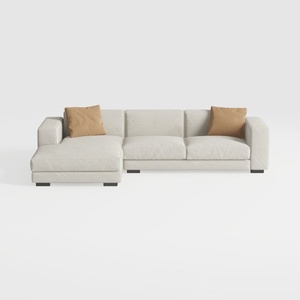
Minimalist Fabric L Shape Sectional Sofa with Throw Pillows 3D Model

Bohemian Rattan Round Coffee Table 3D Model
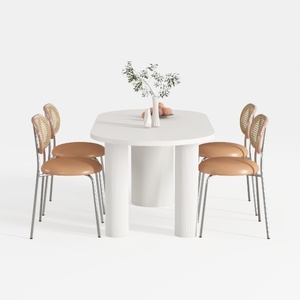
DUOMAY Modern Boucle Dining Chairs Set of 2,
Looking to design your dream home? Homestyler is your ultimate online tool! With stunning 3D renderings, a plethora of interior design projects, and informative video tutorials, you can effortlessly bring your ideas to life—perfect for both beginners and experienced designers alike!
Projete agora para LIVRE
































