

I have designed numerous compact kitchens where maximizing every square inch is essential. By choosing a versatile foldable table, a small kitchen can transform from feeling cramped to being adaptable—a cozy breakfast nook in the morning, a food prep area at noon, and a workspace by evening. The secret lies in maintaining a balance of ergonomics, flow, and material durability, followed by integrating the table into a layout that aligns with everyday habits and routines.
The efficiency of space goes beyond just visual simplicity; it's about quantifiable design. Research conducted by Gensler indicates that environments that offer flexibility and multi-functionality enhance both productivity and satisfaction, especially when surfaces accommodate diverse tasks during the day. The WELL v2 standards also highlight the importance of comfortable reach and optimal working heights to mitigate strain during meal preparations and casual dining. In workshops focused on kitchen planning, I commonly recommend table heights of 28 to 30 inches for seated activities and 34 to 36 inches for light prep tasks, promoting a comfortable posture and smooth transitions between different zones.
Proper lighting and visibility are just as vital. According to IES kitchen standards, task lighting should provide around 300 to 500 lux on prep surfaces to ensure safety and precision during food preparation. When a foldable table functions as a task area, I ensure that ambient lighting is set at approximately 150 to 300 lux, supplementing with dimmable fixtures or under-shelf lights to enhance illumination as needed. Lower-glare finishes are crucial for maintaining visual comfort, particularly in shiny, compact areas.
Reinventing Small Kitchens with Foldable Tables
Foldable tables create flexible spaces. In smaller layouts—such as galley or L-shaped kitchens—they provide the ability to adapt the area for cooking, dining, and small work sessions. For instance, butterfly-style drop leaves can expand seating capacity when dining with friends; wall-mounted flip-down panels offer additional prep space near cooking zones without disrupting flow. I always ensure a minimum clearance of 36 inches in circulation pathways and increase this to 42 inches if the table is positioned opposite appliances that require ample space to open fully.
Strategic Placement: Maintaining Flow
The placement of furniture occurs at the crossroads of movement and the intended tasks. Locating a foldable table in the center of a small kitchen often obstructs flow; instead, I position it towards the edges: at the end of a countertop, near a window, or beside a structural pillar. For layouts that require trial and error—especially in studio apartments or micro-homes—I utilize a room layout tool, like Homestyler, to simulate clearances and chair swing arcs. This approach ensures ample legroom, appliance door access, and a coordinated cooking experience.
Ergonomics: Height, Edge Design, and Seating
For dining purposes, an ideal table height is between 28 to 30 inches, with seat heights ranging from 17 to 19 inches. If the table occasionally serves as a prep area, a height of 34 to 36 inches minimizes hunching over. Utilizing rounded or chamfered edges can lessen impact in tight spaces. I prefer lightweight, armless stools that can completely tuck under the table when folded, maintaining an unobstructed view. Aim for about 24 inches of knee clearance to facilitate chair movement.
Lighting Setup: Brightness Where Necessary
Foldable tables should be placed in areas where lighting can also adapt. A small pendant light with a warm-neutral color temperature (around 3000 to 3500K) creates an inviting atmosphere for meals, while an adjustable task light is essential for precision work when the table is used for food prep. Employing matte or satin finishes on the table surface can help control glare, particularly under LED task lighting.
Material Choice: Durable, Simple, and Serene
Compact kitchens are prone to collecting moisture, heat, and spills. I prefer high-pressure laminate or compact laminate for the table tops, as they are easy to clean, stain-resistant, and thin enough to facilitate neat folding. Solid woods finished with hard wax offer warmth and durability; selecting closed-grain varieties like maple or beech simplifies cleanup. For hinges and brackets, stainless steel is optimal, as it resists corrosion near cooking areas and sinks. Using over-engineered, soft-close hardware ensures a quiet, safe folding action.
Color Psychology: Enhance Space Perception
The use of color can alleviate visual congestion. Research from Verywell Mind emphasizes that cooler, lighter shades can invoke feelings of calm and spaciousness. I often lean towards soft gray, pale sage, or warm white for foldable surfaces to allow the table to blend seamlessly into the environment. A subtle accent—such as terracotta seat cushions or navy edge detailing—provides definition without overwhelming the senses. When folded, the color scheme should harmonize with adjacent cabinetry.
Acoustic Comfort: Soft Movement, Quiet Meals
Small kitchens can amplify sound. Opt for mechanisms equipped with rubber dampers, and use felt pads beneath the table legs to minimize high-frequency noise on hard surfaces. When the table is against a wall, a slim acoustic panel or cork strip can help absorb sounds from plates. This leads to a more peaceful dining atmosphere, particularly within open-plan designs.
Spatial Ratios: Proportions for Optimal Fit
Proportionality is crucial. In studios under 350 square feet, I suggest keeping table widths within the range of 18 to 24 inches when folded, and 28 to 32 inches while in use; lengths of 24 to 40 inches are typically adequate for two people. Should four seats be necessary occasionally, consider a double-drop-leaf design that expands to approximately 48 to 54 inches in length, while still respecting circulation limits. Maintaining a consistent visual rhythm—by repeating materials used in shelves or seats—creates an integrated appearance for the table.
Layouts That Embrace Foldable Tables
A flip-down table can be mounted opposite the sink, aligning with upper cabinets to create a cohesive surface. Remember to maintain 36-inch clearances and allow for a minimum of 24 inches from any oven or dishwasher door swing.
Implement a narrow drop-leaf at the end of the short side, aligning it with the fridge wall, allowing it to open only as necessary for seating. This can be tested effectively with an interior layout planner like Homestyler to avoid constricting the triangular workflow between the sink, cooktop, and refrigerator.
A wall-mounted table placed under a window can serve double duty as a work desk. Ensure that there is an outlet available and consider adding an under-shelf light for evening usage.
Clutter-Free Styling
Minimize accessories: choose a single vase, a stack of plates, and a linen runner that can fold away when not in use. Lightweight nesting stools provide additional seating without occupying visual space. Peg rails are excellent for storing placemats and cutting boards, maintaining an orderly wall even when the table is not in use.
Maintenance: Focus on Hardware
Regularly check folding mechanisms every quarter: tighten screws, check hinge alignments, and test soft-close functionality. Clean surfaces with pH-neutral solutions, avoid excessive moisture on wood, and refresh oil-based finishes as needed. If the table is used for knife work, protect the surface with a board to maintain its condition.
Custom vs. Ready-Made Choices
Pre-made options work well for renters and those seeking quick upgrades, notably metal-bracket wall tables and drop-leaf designs. Opt for custom solutions when specific depths, concealed storage, or precise color matching is required. I often use cardboard templates to first confirm clearances and legroom prior to final fabrication.
Budgeting and Value Solutions
Anticipate that functional and durable wall-mounted solutions will begin at a modest price point and can increase in line with hardware quality. Stainless steel hinges and compact laminate tabletops provide reliable long-term value. If there's one area to invest in, it's the folding mechanisms—the daily cycles of opening and closing are the ultimate test for small-space living.
Guidelines and Recommended Standards
For standards related to lighting and wellness applicable to adaptable kitchen surfaces, consult the IES recommendations for residential task illumination and the WELL v2 performance criteria which focus on comfort and ergonomics. These references help to establish quantifiable goals for safe and versatile usage.
Frequently Asked Questions
Q1: What is the most suitable table height for a multifunctional small kitchen?
A: Aim for 28 to 30 inches for dining and 34 to 36 inches for occasional prep. If the same table must serve both purposes, 30 to 32 inches with a raised cutting board is ideal for comfort.
Q2: How much clearance should be maintained around a foldable table?
A: Ensure 36 inches for passage and 42 inches in front of appliance doors. It’s wise to test chair swing arcs before installation.
Q3: What materials are best suited for humid kitchen environments?
A: Compact laminate and high-pressure laminate offer resistance to moisture and stains. Stainless steel hardware ensures structural integrity in areas exposed to heat and humidity.
Q4: What lighting approach should I take for the table?
A: Provide ambient lighting between 150 to 300 lux and task lighting of 300 to 500 lux during preparation. Use warm-neutral LEDs (3000 to 3500K) to create an inviting atmosphere without glare.
Q5: Is it feasible for a foldable table to accommodate four people occasionally?
A: Absolutely, especially with a double-drop-leaf design that extends to about 48 to 54 inches long. Ensure that circulation space still meets the 36-inch clearances.
Q6: How can I avoid clutter in my kitchen?
A: Opt for lightweight, matte finishes; integrate colors with cabinetry; tuck stools beneath the table; and limit accessories to what is essential and cohesive.
Q7: Which hinge type is safest for folding mechanisms?
A: Hinge systems that are over-engineered with soft-close features and constructed with stainless steel and rubber dampers minimize pinch points and reduce noise.
Q8: Are wall-mounted tables suitable for renters?
A: Many will need wall anchors for support. If drilling isn't an option, consider a drop-leaf cart on locking casters or a freestanding butterfly table for flexibility.
Q9: How can I manage sound in a small kitchen?
A: Utilize felt pads under table legs, invest in soft-close hardware, and consider a cork strip on the adjacent wall to absorb noise and impact.
Q10: What’s a straightforward method for testing layout before purchase?
A: Create a mock-up using cardboard or utilize a layout simulation tool to confirm clearances: layout simulation tool.
Q11: Can color influence the perception of space in my kitchen?
A: Yes, lighter, cooler shades can lessen visual weight and enhance the sense of openness; keep bold accents minimal and strategically placed.
Q12: How frequently should I maintain the folding hardware?
A: Regular quarterly checks for alignment and screws are sufficient for most households; refresh wood finishes seasonally, particularly in areas prone to steam exposure.


Ergonomic Gaming Task Chair High Back Executive Of
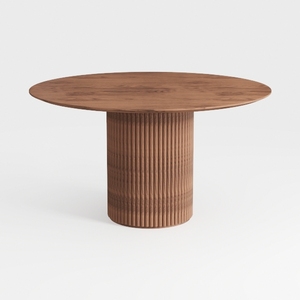
43.3''-59'' Extendable Round Dining Table for 4, M
Homestyler is your go-to platform for home design! With its user-friendly online design tool, stunning 3D renderings, and inspiring DIY video tutorials, you can transform your space effortlessly. Start exploring design projects today and unleash your creativity—it's simple and enjoyable!
Projete agora para LIVRE
































