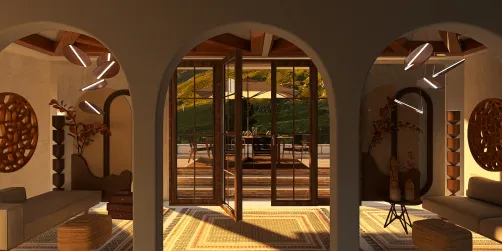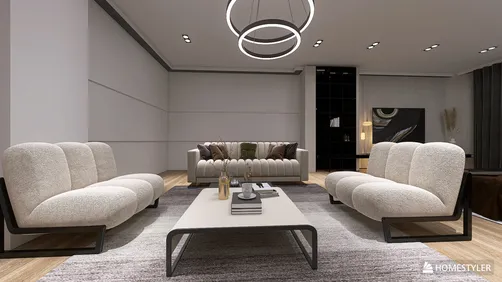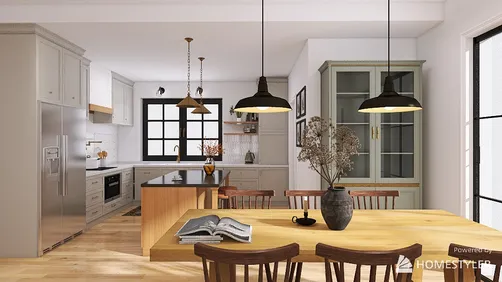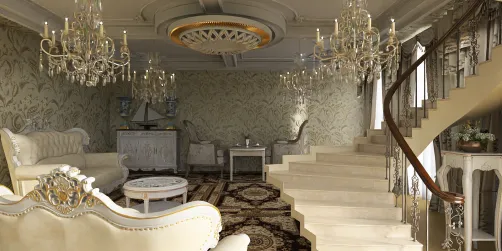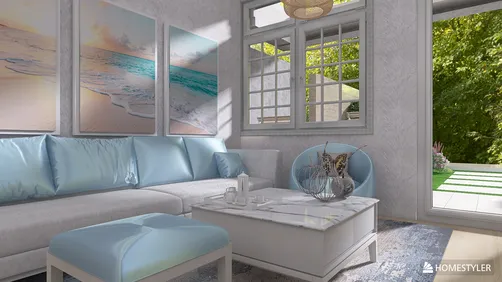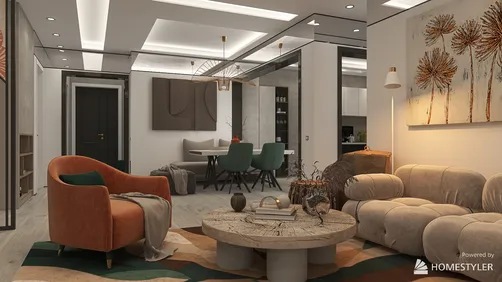

- Identify the room’s focal point and the main sightline.
- Note windows, doors, vents, switches, and built-ins that interrupt the surface.
- Decide whether the wall should recede, add warmth, or draw attention.
- Choose a finish that supports that goal and the room’s existing materials.
- Test the color or sample in the actual light before committing.
An accent wall works best when it gives the living room a clear visual anchor—not when it simply makes one surface louder than the rest. The right choice can frame a sofa, highlight a fireplace, or add depth to an open-plan space without changing every wall. These accent wall ideas for living room layouts cover paint, pattern, texture, and built-in details, along with practical ways to choose a wall and avoid common design missteps.

Start with the wall that already has a purpose
Before choosing a finish, decide what the wall should do. A useful accent wall usually reinforces an existing focal point: the fireplace, the main seating area, a large artwork, or a media console. If the room has no obvious focal point, the wall behind the sofa is often a natural candidate because it is visible from the entrance and helps define the seating zone.
Check the view from the doorway and the main seat. A wall hidden behind a door or broken into several narrow sections may not read as one feature. In an open-plan room, an accent wall can also mark the living area, but it should relate to nearby finishes rather than compete with the kitchen or dining zone.
A quick planning sequence helps:
I usually recommend choosing the wall before choosing the color. That order prevents a favorite paint chip from dictating a placement that does not make sense in the room.
12 accent wall ideas for living room spaces
1. A deep, muted paint color
A dark green, ink blue, or warm charcoal can give a seating area definition. Use a muted shade if the room already contains strong patterns or colorful furniture; a saturated color can work when the rest of the palette is restrained. Repeat the wall color in a small detail—such as a cushion, book spine, or artwork—to make it feel connected rather than isolated.
2. A soft color wash
For a quieter effect, choose a mid-tone that is only a few steps deeper than the surrounding walls. Clay, olive, dusty blue, and mushroom can add dimension without turning the wall into a high-contrast backdrop. This is a useful approach in compact rooms where a very dark wall might feel visually heavy.
3. A painted arch or color block
A painted shape can frame a reading chair, console, or artwork without covering the entire wall. Keep the shape aligned with the furniture below it, and use painter’s tape or a simple paper template to check its proportions first. A color block is especially effective when the room needs a focal point but a full-wall treatment would feel too dominant.
4. Wallpaper with a controlled repeat
Wallpaper brings pattern and color in one step. Large-scale botanicals, geometric repeats, and painterly motifs each create a different mood, so consider the viewing distance: a small, busy print can blur from across a large room, while an oversized pattern may overwhelm a narrow wall. Order samples and view them beside the sofa fabric and flooring.
5. Limewash or mineral-style paint
A softly varied finish adds movement without a printed pattern. Limewash-inspired coatings can create a cloudy, matte surface that changes subtly with daylight. Follow the product’s preparation and application instructions, and test a sample panel first; the final appearance depends on the substrate, technique, and lighting.
6. Vertical wood slats
Slats introduce rhythm and warmth, and their vertical lines can make a low ceiling feel taller. Use them selectively—behind a media unit or sofa, for example—and plan around outlets and cable access. In my experience, a small sample is essential: wood tone, slat width, spacing, and sheen can look very different across a full wall.
7. Reclaimed or decorative wood boards
Board cladding can bring a relaxed, lived-in character to a room. Varying tones create a rustic effect, while boards with a consistent finish feel more contemporary. Check that the material is suitable for interior use, and make sure the installation method accounts for the wall condition and the added thickness around trim and outlets.
8. Stone or brick as a focal surface
A fireplace wall may already contain brick or stone; cleaning, repointing, or updating the surrounding color can make it the room’s feature without adding another material. If installing a new veneer, confirm the product’s weight, substrate requirements, and installation details with a qualified professional. A convincing stone surface depends on correct detailing at corners and openings, not just the material itself.
9. Picture-frame molding
Applied molding creates architectural structure and can be painted the same color as the wall for a subtle, tailored look. Map the panels around furniture and artwork before installation. Even spacing matters, but the layout should also respect the wall’s actual dimensions, switches, and nearby trim.
10. A gallery wall with a deliberate boundary
A collection of framed art can become the feature without changing the wall finish. Keep a consistent relationship between the frames and the furniture below: the arrangement should feel anchored to the sofa or console, not float near the ceiling. Mix frame sizes, but repeat one or two colors or materials to give the collection a visual thread.
11. A large-scale mural
A mural can set a strong mood, from a quiet landscape to an abstract composition. Choose imagery that leaves breathing room around the room’s main furniture and does not clash with patterned upholstery. Removable mural products can be useful for renters, but check the manufacturer’s surface and removal guidance before applying them.
12. A built-in or display wall
Shelving, cabinetry, or a low media unit can make the wall itself functional. Paint the back panel a contrasting shade, or use a different finish inside the shelves to add depth. Keep open shelves edited: a few books, objects, and framed pieces usually read more clearly than filling every space.


Match the treatment to the room’s light and scale
Natural light changes how a wall color appears throughout the day. North-facing rooms often receive cooler, less direct light, while strong afternoon sun can make warm colors feel more intense. These are tendencies, not guarantees: nearby buildings, trees, glazing, and artificial lighting all affect the result. Paint a generous sample or use a movable sample board, then check it in morning, afternoon, and evening light.
Scale matters just as much. A small room can still use a dark accent wall, but contrast, texture, and visual clutter all influence how spacious it feels. A single calm surface may help organize the room; a high-contrast pattern plus busy furniture may make it feel crowded. In a large room, a subtle finish can disappear unless it has enough texture, scale, or contrast to register from the seating area.
Use the furniture as a measuring reference. A feature behind a sofa should relate to the sofa’s width and height, while a fireplace treatment should respect the mantel and surrounding built-ins. If you are unsure whether a pattern or panel layout will feel balanced, sketch the wall elevation or test the arrangement in a 3D room planner such as Homestyler before buying materials.
Coordinate color, texture, and furnishings: living room accent wall ideas
A successful accent wall does not need to match every object in the room. It does need a relationship to the broader palette. Pull one color from a rug, artwork, or upholstery, then decide whether the wall should repeat it, deepen it, or provide a complementary contrast.
A simple palette can include a dominant neutral, a secondary material or color, and one accent. That is a planning aid, not a strict formula. Wood, metal, stone, and textiles also contribute color, so consider them alongside paint chips. If the wall is patterned, keep nearby large surfaces quieter; if the wall is a solid color, texture in the rug or curtains can keep the room from feeling flat.
Lighting deserves attention. A wall-mounted sconce or picture light can emphasize texture and artwork, but avoid placing a strong light where it creates glare on framed glass or a television. Before adding fixtures, confirm the location of wiring and consult a qualified electrician when new electrical work is needed.
Use a sample plan, not a guess
A sample plan can prevent expensive repainting. For paint, apply two coats to a movable board or a large test area, because one thin coat may not show the final depth. Place the sample vertically where the feature will go; laying it flat changes how light reaches it. For wallpaper, tape up a full repeat if possible so you can judge the motif scale and where the pattern will land around furniture. For wood or stone, compare several pieces together, since natural variation is part of the finished effect.
Also check the wall at the times you use the room. A shade that looks balanced in daylight may turn muddy under warm bulbs, while a cool gray can feel stark at night. If the living room has multiple lighting circuits, test the sample under each one. This small step is more reliable than choosing from a phone image or a tiny store chip.
Plan the visual weight
A feature wall has visual weight even when its color is not especially dark. Gloss, strong contrast, large pattern, and deep texture all attract attention. If the wall already has a large television or fireplace, a quieter finish may keep the composition from feeling crowded. If the wall is mostly blank, a larger pattern or stronger color can provide the missing focal point.
Think about what sits in front of the wall, too. A tall bookcase can hide much of a mural; a low sofa leaves more of the surface visible. Artwork should not be so close in color and scale to the wall that it disappears, unless that layered effect is intentional. I’ve seen a simple paint treatment work better than elaborate paneling when the room already has detailed trim and patterned upholstery.
Choose a finish you can maintain
Living rooms see regular use, so the practical side matters. Painted walls are generally straightforward to refresh, while wallpaper and textured finishes may require more careful cleaning or repair. Near a fireplace, follow the fireplace manufacturer’s clearance requirements and local code; do not assume a decorative finish is suitable for every heat exposure.
For a DIY project, read the product instructions, prepare the surface, and use the recommended primer and tools. Older homes may have layers of paint or wall coverings that need special handling. If you suspect lead-based paint, do not sand or disturb it casually; follow local guidance and use qualified lead-safe professionals where required.
My advice is to test the complete combination—not just the wall color. Put the sample beside the sofa, flooring, and trim, and view it under the lamps you use at night. A finish that looks right on a small swatch can feel very different across a full wall.
Common accent wall mistakes to avoid
- Choosing a wall only because it is empty. An accent should support the room’s focal point or layout, not create a competing one.
- Ignoring interruptions. Doors, windows, vents, and switches can break up a pattern or panel design; include them in the plan.
- Using too many competing features. A bold wall, patterned rug, statement curtains, and busy artwork can all demand attention at once.
- Skipping samples. Screen colors and store lighting are unreliable substitutes for viewing a sample at home.
- Forgetting the edges. Corners, baseboards, ceiling lines, and transitions to adjacent walls affect whether the finish looks complete.
- Treating every dark wall as a space-shrinker. The effect depends on contrast, light, room proportions, and what the wall is framing.
For a more complex layout, model the room before installation. A digital plan can help compare a painted wall with slats or wallpaper and show how the feature relates to furniture placement. Homestyler can be used to test those visual options; verify measurements and construction details separately before ordering or building.


Installation details worth checking
Before starting, measure the wall in more than one place. Older rooms may not be perfectly square, and a pattern or panel layout can make small inconsistencies more visible. Mark the centerline and major obstacles, then dry-fit the layout with painter’s tape or paper templates. For wallpaper, calculate rolls using the manufacturer’s pattern-repeat guidance and allow for matching and trimming; do not assume the nominal wall area alone determines the quantity.
For heavier cladding, confirm how it will be attached and whether the wall can support it. Locate studs and services before drilling, and avoid covering access panels or required ventilation. If the project involves new wiring, structural changes, or a fireplace surround, use the appropriate licensed professional and follow local requirements. Decorative inspiration is not a substitute for installation specifications.
A renter can still create a focal point with removable wallpaper, framed art, a freestanding screen, or a painted panel if the lease permits it. Check removal instructions and test an inconspicuous area first; “removable” does not guarantee that every paint finish or wall surface will be unaffected.
A practical way to make the final choice
Narrow the options by asking three questions: What should the wall draw attention to? Which material suits the room’s existing finishes? How much maintenance and installation work are you willing to take on? If the answer is still unclear, compare two samples in the room rather than collecting dozens of ideas online.
The strongest accent wall ideas for living room spaces are not necessarily the boldest. They are the ones that make the seating area feel more considered, work with the room’s light, and leave enough visual calm for everyday life. Start with placement, test the finish at full scale, and let the rest of the room support the feature.
Frequently asked questions
Which wall should be the accent wall in a living room?
Start with the wall that frames a natural focal point, such as the sofa, fireplace, or main artwork. Check the view from the entrance and the primary seating position, and avoid a surface so interrupted that the treatment cannot read clearly.
What colors work well for a living room accent wall?
Muted greens, blues, warm browns, clay tones, and charcoal can all work, depending on the room’s light and furnishings. Test samples in the space and compare them with flooring, upholstery, and trim before choosing.
Can a small living room have an accent wall?
Yes. A restrained color, a carefully scaled pattern, or a limited painted shape can add definition without overwhelming the room. Keep the rest of the palette coordinated and consider how much contrast the space can comfortably carry.
Are accent walls still a good design choice?
They can be, when they serve a clear purpose. Rather than following a trend, use the wall to organize a seating area, highlight an architectural feature, or introduce a material that connects with the rest of the room.
Is wallpaper or paint easier for a living room accent wall?
Homestyler's roots trace back to Autodesk, the global leader in design and engineering software. That heritage lives on in every feature we build. Today, with a community of more than 20+ million registered users (platform data, 2026) worldwide, Homestyler continues to make professional-quality interior design accessible to everyone — from first-time decorators to seasoned architects.
Paint is usually simpler to refresh, while wallpaper offers pattern and texture in one application. The better option depends on the wall condition, desired look, installation skill, and the product’s care requirements.
Projete agora para LIVRE