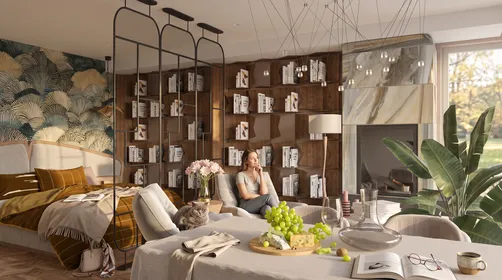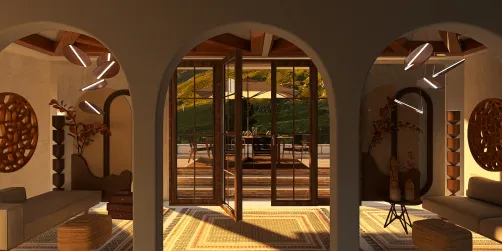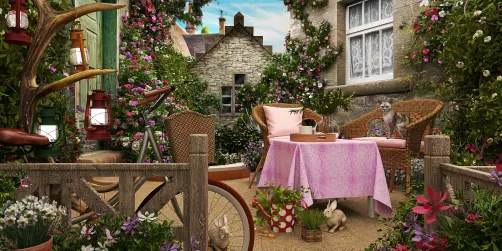

- Dining: Select a table size based on the usual number of diners, not the largest gathering of the year. Extendable tables can handle occasional guests without occupying the whole patio every day.
- Relaxing: A lounge chair or compact outdoor sofa works well when there is a place to put a drink and a source of shade.
- Small-space use: Folding chairs, nesting tables, and stackable seating can be stored when the area needs to serve another purpose.
- Flexible hosting: Lightweight chairs are easier to rearrange, while modular seating can adapt to different group sizes.
- Quiet corners: A single chair with a side table can create a useful retreat without requiring a complete lounge set.
Choosing outdoor furniture is less about collecting attractive pieces and more about making a space work in real life. Before ordering a dining set or sofa, measure the area, consider how the weather affects materials, and decide how people will move through the space. This furniture2urdoor guide covers those decisions so your garden, balcony, or patio feels comfortable rather than crowded.

Furniture2urdoor: start with the space, not the furniture
Sketch the outdoor area and mark doors, steps, drains, planters, and fixed shade. Measure the usable floor area, then note the route from the house to the garden. A table that technically fits can still block a door or leave no comfortable path around chairs.
As a practical starting point, allow roughly 30–36 inches (76–91 cm) for a main walking route where space permits. Dining chairs need room to pull back; test the footprint with tape or cardboard before buying. For a small balcony, a foldable table or two compact chairs may be more useful than a full-size set. In my experience, marking the furniture footprint first prevents the most common mistake: buying for the empty floor plan rather than the space people actually use.
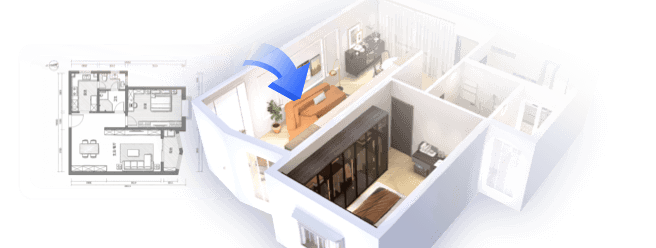
If you are comparing several layouts, Homestyler can help you visualize furniture scale and circulation before you commit. A digital plan is especially useful when a balcony door, grill, or narrow passage competes for the same few feet.
Furniture2urdoor choices for how you spend time outside
Choose one primary activity before adding secondary pieces. A household that eats outdoors most evenings needs a stable table and comfortable dining chairs; a reader may prefer a shaded lounger; a family that hosts friends might prioritize flexible seating.
I recommend buying the essential pieces first and living with the arrangement for a few days before adding accessories. That reveals whether the table is too large or whether the seating needs a different orientation.
Choose materials for your local conditions
No material is maintenance-free in every climate. Sun exposure, rain, humidity, salt air, and winter storage all affect how outdoor furniture ages. Check the manufacturer’s care instructions and warranty rather than relying on a broad claim that a material is “weatherproof.”
| Material | Often works well for | Consider before buying |
|---|---|---|
| Teak and other outdoor-rated hardwoods | A natural look and sturdy construction | Periodic cleaning; color changes as wood weathers unless maintained |
| Powder-coated aluminum | Lightweight frames and damp climates | Inspect the coating for chips; lightweight pieces may need securing in wind |
| Stainless steel | Strong, contemporary frames | Grade and finish matter, especially near salt water |
| Synthetic resin wicker | Woven appearance with easier cleaning | Quality varies; check the frame and UV guidance |
| Outdoor fabrics | Cushions and soft seating | Removable covers and storage help extend their life |
A material label alone does not guarantee durability. Look for drainage, corrosion-resistant hardware, replaceable cushion covers, and clear cleaning guidance. In my experience, the best choice is the one whose care routine you will actually follow.
Arrange dining and lounge zones with breathing room
If the patio serves more than one purpose, define separate zones with a rug rated for outdoor use, planters, or a change in furniture orientation. Keep the dining area close to the kitchen or serving door when possible. Place lounge seating where it gets the best view, but avoid putting cushions in a spot that stays wet after rain.
A coffee table should be reachable from the seats without becoming an obstacle. Leave enough room to walk between the table and seating, and check that chair backs do not collide with walls or railings. For a narrow terrace, a bench against one side can free up circulation compared with chairs on every edge.
Use Homestyler to compare a dining-first arrangement with a lounge-first layout. Try the actual dimensions of the pieces, not generic symbols; a few inches can change whether a route feels comfortable.
Plan shade, lighting, and storage
Shade affects whether an outdoor area is usable at midday. A parasol is flexible, while a pergola or mature tree provides a more permanent solution. Check the umbrella base requirements and wind guidance, and position the canopy so it shades the seats during the hours you use them. Never assume a light base is safe in gusty conditions.
For evening use, choose outdoor-rated lighting and follow the product’s installation instructions. Solar lights are simple to place, but their output depends on sunlight exposure. Keep cords and fixtures away from standing water, and use products rated for the location.
Cushions last longer when they can dry fully between uses. A ventilated storage box or indoor storage spot is useful in wet or cold seasons. Before purchasing a large set, confirm that the cushions fit the storage space you have; otherwise, a smaller number of comfortable seats may be the more practical choice.


A simple buying checklist
Before placing an order, check these details:
- Measure the furniture footprint, including pulled-out chairs and open table leaves.
- Confirm delivery access through gates, stairs, elevators, and doorways.
- Read the care instructions for your climate and intended storage routine.
- Check whether cushions, covers, feet, or hardware can be replaced.
- Compare the warranty terms and what they exclude.
- Verify the return policy, assembly requirements, and delivery charges.
Online shopping makes it easy to compare styles, but product photos can hide scale. Read the dimensions carefully and look for customer images that show the furniture in a real setting. If you are unsure, use a floor-plan tool such as Homestyler to test the layout before ordering.


Build the outdoor room in stages
A comfortable garden does not need a matching collection or a canopy bed. Start with the piece that supports your main activity, add shade and a small surface for drinks, then fill gaps only when you know how the space is used. Measure twice, check the care requirements, and leave clear routes between the house and seating.
Built on technology originally developed at Autodesk, Homestyler empowers anyone to design beautiful, realistic spaces in minutes. Join over 20+ million registered users (platform data, 2026) who have already discovered a smarter way to plan, visualize, and bring their dream homes to life — all from the comfort of a browser.
That approach makes furniture2urdoor planning more reliable: the result is not simply a set of attractive products, but an outdoor area sized for your home, climate, and everyday routines.
Projete agora para LIVRE