
- Purchase price and acquisition closing costs
- Inspection findings and a contingency for concealed defects
- Labor, materials, permits, and professional fees
- Loan interest, utilities, insurance, taxes, and other holding costs
- Selling expenses, including agent compensation where applicable and seller closing costs
- A reserve for schedule delays or a lower-than-expected sale price
Flipping a home is not simply buying a tired property, making it look fresh, and selling it for more. The outcome depends on the purchase price, repair scope, financing, local demand, and the time it takes to close. If you are learning how to flip your house, treat the project as a small business with a defined budget and an exit plan—not as a design makeover with guaranteed profit.

How to flip your house: start with the numbers, not the renovation
Before making an offer, estimate what the property could reasonably sell for after repairs. Review recent closed sales that match its location, size, layout, and condition. Asking prices are not proof of value, and a renovated home across town may not be a useful comparison.
A common screening shortcut is the 70% rule: some investors use 70% of the after-repair value (ARV), minus estimated repairs, as a rough maximum purchase price. It is not a universal formula or a substitute for local analysis. Financing costs, taxes, insurance, resale fees, and market volatility can make the rule too generous or too conservative.
Build a project estimate that includes:
I recommend testing at least three outcomes: expected, delayed, and downside. If the deal only works when every estimate is optimistic, it is not a resilient deal.
How to flip your house: choose a property whose problems you can price
A promising flip is not necessarily the cheapest listing. Look for a property where the reason for the discount is understandable and the likely buyer pool is clear. Cosmetic work—such as paint, flooring, or dated fixtures—is usually easier to scope than structural movement, water intrusion, or obsolete electrical systems.
Before committing, arrange a professional inspection and investigate issues that may not be visible during a showing. Ask about roof age, drainage, foundation movement, plumbing, electrical capacity, heating and cooling, and signs of pests or moisture. An inspection does not guarantee that every defect will be found, but it can help you decide whether to renegotiate, budget for further evaluation, or walk away.
Check local zoning, permit requirements, and any restrictions on the intended work. Rules vary by jurisdiction; moving a wall, changing plumbing, or altering a building’s structure may require permits and inspections. Confirm requirements with the local building department and qualified professionals rather than assuming a previous owner’s work was approved.
Plan the scope around likely buyers
A renovation should solve the home’s functional problems before it adds decorative upgrades. Start with safety, water management, essential systems, and durable finishes. Then consider improvements that fit the neighborhood and the price range of comparable homes.
Avoid designing for personal taste alone. A highly customized kitchen or premium finish package may not return its cost if nearby buyers expect a simpler home. I’ve seen projects lose time and margin because the owner selected materials before confirming availability, lead times, and the target buyer’s expectations.
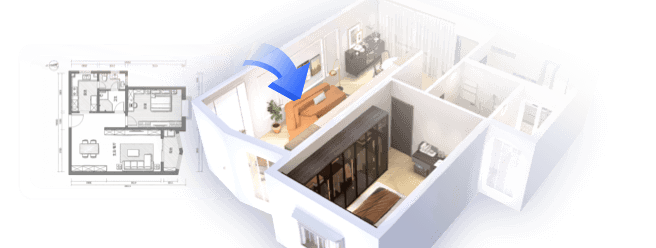
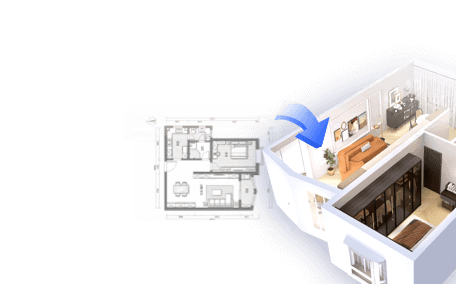
Use a written scope of work. For each task, record the specification, responsible contractor, estimated cost, start date, dependencies, and approval process for changes. A visual floor plan can help compare layout options before demolition; Homestyler can be used to test room arrangements and finishes, but it cannot replace measurements, engineering advice, or code review.


Run the project with clear controls
A flip can become unprofitable through small, repeated changes. Set a baseline budget and schedule, then track actual spending against both. Get written bids that describe the work and exclusions; compare scope, not just the bottom-line price. Verify contractor licensing and insurance where required, and agree on payment milestones tied to completed work.
Keep a change log. When a hidden condition requires extra work, document the issue, options, cost, schedule effect, and approval before proceeding whenever practical. Do not conceal defects or bypass required inspections to save time. Those shortcuts can create safety problems, legal exposure, and trouble during resale.
I usually review the schedule and cash forecast weekly. Pay special attention to tasks that block other work, such as inspections, utility connections, or delivery of long-lead materials. A delay can add carrying costs even when the renovation budget itself has not changed.
Calculate profit after every cost
The difference between the purchase price and resale price is not profit. A useful estimate subtracts acquisition costs, renovation, financing, holding expenses, and selling costs from the expected sale proceeds. Tax treatment depends on the facts and jurisdiction, so consult a qualified tax professional rather than assuming a particular rate or outcome.
| Example item | Illustrative amount |
|---|---|
| Purchase price | $210,000 |
| Acquisition and due-diligence costs | $4,000 |
| Renovation budget | $42,000 |
| Financing and holding costs | $13,000 |
| Estimated selling costs | $20,000 |
| Total estimated cost before tax | $289,000 |
| Possible resale price | $315,000 |
| Estimated margin before tax and unexpected costs | $26,000 |
These figures are only an example, not a forecast. If the sale price falls by $15,000 or the project runs several months late, the margin shrinks quickly. Recalculate the deal when bids, inspection results, or market conditions change; do not keep using the original estimate simply because you have already invested money.
Prepare the home for a credible sale
As work nears completion, compare the finished property with current local listings and recent sales. Address incomplete repairs, clean thoroughly, and use accurate photography. Staging can help buyers understand room scale, but it cannot compensate for poor workmanship or an unrealistic asking price.
Before listing, gather permits, warranties, invoices, and relevant inspection records. Disclose known issues as required by local law and follow the advice of your real estate professional. A transparent, well-documented sale reduces avoidable friction and helps buyers assess the home.


Decide whether a flip fits your situation
House flipping ties up capital and demands time for decisions, contractors, paperwork, and unexpected problems. It may be a poor fit if you cannot absorb a loss, have no reliable way to fund overruns, or need a quick and predictable return. A smaller first project—or working with an experienced local professional—can limit the scale of the learning curve, though it does not remove risk.
My advice is to set a walk-away price before negotiating and keep enough cash available for contingencies. If you are still comparing layouts or finish choices, Homestyler can help you visualize alternatives before committing to a design. Use it as a planning aid, not as evidence that a renovation will increase market value.
A disciplined first flip
To learn how to flip your house responsibly, begin with a defensible resale estimate, inspect the property, price the full scope, and confirm local requirements. Manage changes in writing, include carrying and selling costs, and plan for a slower sale or lower offer than expected. The best project is not the one with the most dramatic makeover; it is the one whose risks you understand and whose numbers still make sense when conditions are less than perfect.
Built on technology originally developed at Autodesk, Homestyler empowers anyone to design beautiful, realistic spaces in minutes. Join over 20+ million registered users (platform data, 2026) who have already discovered a smarter way to plan, visualize, and bring their dream homes to life — all from the comfort of a browser.
Before you buy, Homestyler can also help you communicate a proposed layout to collaborators. Pair any visual plan with measured drawings and professional review where the work requires it.
Projete agora para LIVRE