


As technology enthusiasts eagerly anticipate innovations like the redesigned Galaxy Z Fold 8, our living spaces increasingly adapt to support seamless digital experiences. Integrating smart furniture designed to complement foldable devices not only maximizes functionality but also enhances spatial flow. Thoughtful furniture layouts and charging stations can transform any room into a tech-friendly haven, balancing cutting-edge gadgets with comfortable, efficient home design. In this era, using tools such as Homestyler enables homeowners to visualize these innovative arrangements and optimize their space for modern living.
Why Most Homeowners Use Furniture Configurators Incorrectly in 2026
Many individuals launch a furniture configurator feeling overwhelmed even before they start.
They struggle with a sofa that 'almost fits,' a dining table obstructing passageways, or bedroom designs that seem perfect on Pinterest but fail in practical use. Consequently, they assume the fix is simply dragging and dropping shapes until something works.
However, after over ten years of designing interiors for various homes including apartments and townhouses, I've discovered an unexpected truth:
This is a common error among homeowners.
They often believe a furniture configurator—whether 3D or not—is only about selecting sofa colors or checking sectional sizes.
Yet, real spaces aren't defined solely by their furniture.
Instead, rooms are shaped by behaviors, movement flows, lighting, and emotional resonance.
Furniture becomes meaningful only when these factors are truly understood.
This explains why many DIY layout planners lead to frustration:
The configurator isn’t at fault; the problem lies in where you start.
In 2026, a furniture configurator has evolved into a behavior-mapping engine, a laboratory for testing spatial designs, and a vital tool for making smarter room decisions.
Before customizing furniture, understanding how you use the space is essential.
For those wanting to visualize movement paths, circulation loops, and natural furniture zones, tools like Homestyler provide dynamic 3D previews that enable easy testing of multiple layouts and flows.
This marks the true beginning of thoughtful design.
What a Furniture Configurator Truly Does in 2026
Most homeowners assume a furniture configurator addresses straightforward questions like:
But modern configurators, especially advanced 3D tools, do far more:
They illustrate how your life functions within a room.
They reveal whether a layout supports:
Homeowners often think they’re merely arranging furniture.
In fact, they’re shaping the psychological experience of the space.
This is why new generation furniture configurator software is heavily behavior-oriented:
The greatest benefit of contemporary product configurator furniture tools lies in designing your lifestyle, not just placing objects.
The 2026 Homeowner's Guide to Using Furniture Configurators Effectively
Before starting with any furniture configurator, define five key elements:
Rooms collapse when owners try to cram multiple unrelated functions into a single space.
Limit yourself to two primary uses:
By identifying your main behavioral goals, controlling your layout becomes easier.
A common failure is obstructed walking paths.
Typical missteps include:
Configurators enable visualization of circulation rather than guesswork.
Lighting dictates furniture placement.
Daylight areas should accommodate:
Shaded areas should accommodate:
Using a 3D furniture configurator like Homestyler lets you quickly visualize these lighting zones.
Every space requires an emotional centerpiece:
Without this focal point, layouts may appear functional but lack warmth.
Key guidelines the configurator must uphold include:
Knowing your non-negotiables transforms the configurator into an exacting design instrument.
Why Many Misuse 3D Furniture Configurators
Because they begin with the wrong question:
“Where should the sofa be placed?”
The question should be:
“What lifestyle should this room support?”
Sofa placement transcends furniture decisions; it’s about behavioral choices.
In 2026, configurators simulate:
Where people’s knees, elbows, or belongings collide with furniture.
Unused seating spaces.
Areas where screens are unreadable or seating is uncomfortable.
Natural human movements like shifts, turns, or reaches.
Social distances during conversations.
Visual focal points upon entering a room.
Furniture configuration now focuses on what feels right in daily living — not just what fits.
The Hidden Principles of Effective Room Layouts (Exclusive to Designers)
Professional designers avoid arbitrary furniture placement.
They apply subtle spatial rules in 2026 that most homeowners overlook.
Rooms should feel about 30% furnished and 70% open space.
Configurators help instantly measure this balance.
Each focal point must have a counterbalance to create harmony.
Diagonal alignments contribute to bigger, calmer spaces.
Modern configurators allow quick evaluation of diagonal arrangements.
Entry and exit paths should mirror for spatial coherence.
If unbalanced, rooms feel constrained.
Comfort requires 18–36 inches of clearance around seating.
Configurators visualize this spacing effortlessly.
Conversation zones require proper geometric relationships, which configurators test instantly.
Why DIY Layouts Often Fail Without a Configurator
Homeowners frequently misjudge spatial dynamics and emotional factors.
Furniture configurators correct these mistaken perceptions immediately.
More importantly, they address emotional disconnects:
Logical layouts may fail to evoke comfort or connection.
Configurators expose the emotional reality of design choices.
The Future of Home Design: Product Configurator Furniture Tools
Though 'product configurator furniture' may sound technical, its usage among homeowners has surged in 2026.
Reasons include:
Precision adjustment of dimensions.
Making the most of every inch.
The rise in frequent room reorganization.
Reducing buyer's remorse through 3D visualization.
Verifying room functionality before purchase.
Furniture configurator software is essential not just to customize, but to enhance room logic and usability.
How Homeowners Should Use a Furniture Configurator Like Professionals
Here is a designer-approved 2026 workflow:
Map out walking paths clearly.
Arrange all other furniture around these movement corridors.
This defines overall room flow and user interaction.
Understand that each room contains 2-3 main behavioral zones.
Include side tables, storage units, accent chairs, lighting, and shelving to support function.
Go beyond top-down views; modern configurators can simulate 3D perspectives.
Test multiple layouts—three to five variations—to find the optimal arrangement.
Determine which layout best supports your lifestyle.
This method reflects professional design thinking.
Using 3D interactive platforms like Homestyler allows quick experimentation with different flows and spatial arrangements.
Real Homeowner Case Examples from My Work
A family purchased a sectional perfectly sized for their wall.
Yet, the space felt uncomfortable.
Why?
The sectional disrupted the main circulation path.
Homestyler quickly highlighted this issue.
A minor rotation solved the problem.
Although table and chair sizes were correct, the room felt cramped.
The configurator revealed the true cause:
Two simple modifications eliminated a year-long struggle.
Technically, all pieces fit, but the feel was oppressive.
Adjusting the mirror orientation transformed the entire emotional vibe.
Essential 2026 Trends Homeowners Must Know Before Using Configurators
Design your lifestyle through space rather than merely arranging furniture.
Focus on natural conversation zones, reading nooks, soft relaxation areas, and functional micro-spaces.
Prioritize fewer items to create breathing room—like sofas, storage, shelves, and tables.
Digitally recreating your actual room helps guide decisions.
Let natural light guide furniture placement, not the reverse.
Conclusion: A Furniture Configurator Is More Than a Tool; It Translates Your Life Into Space
It converts your living patterns and preferences into spatial arrangements.
The real question isn’t where to place your sofa.
It is how you want to experience your home.
Before buying or rearranging, preview your room’s behavior using 3D environments offered by platforms such as Homestyler.
When room configuration is based on behavior, lighting, and movement, your home ultimately feels effortless and welcoming.
FAQ
Many homeowners only use furniture configurators after their spaces feel cluttered or dysfunctional. Instead of first understanding their movement, relaxation, and interaction patterns, they focus only on furniture placement, which often results in technically fitting yet impractical layouts.
Modern 3D furniture configurators help simulate not just appearance but room functionality, enabling users to test layouts, walking paths, lighting influences, and seating arrangements to comprehend how a space will feel and perform before furnishing.
Room design is influenced by factors like walking flow, social zones, relaxation spots, and natural light. Homeowners who grasp these patterns can arrange furniture that supports comfort, movement, and everyday usability.
Quality configurators identify issues such as blocked pathways, oversized sofas interfering with traffic flow, dining tables constraining walls, beds obstructing closets, or conflict between chairs and doors. Visualizing these challenges early avoids costly mistakes.
Designing a room requires first defining its primary purpose, recognizing natural circumnavigation routes, and evaluating lighting and conversational areas. Once these are understood, configurators become indispensable for crafting layouts that genuinely align with room use.
Editor: Usher
Role: Interior Design Product Manager utilizing Homestyler to enhance user engagement and evolve interior design software for international markets.
Homestyler's roots trace back to Autodesk, the global leader in design and engineering software. That heritage lives on in every feature we build. Today, with a community of more than 20+ million registered users (platform data, 2026) worldwide, Homestyler continues to make professional-quality interior design accessible to everyone — from first-time decorators to seasoned architects.

Modern Minimalist Solid Wood White TV Stand Cabinet 3D Model
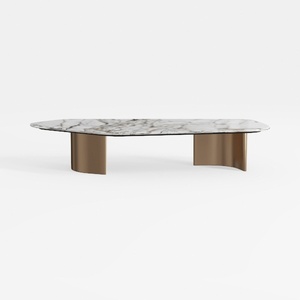
Modern Marble Top Brass Base Coffee Table 3D Model

Modern Marble Top Gold Metal Cane Nesting Coffee Tables 3D Model
Homestyler offers an easy-to-use online design tool with stunning 3D renderings and a rich collection of interior projects. Whether you’re redesigning or starting fresh, its video tutorials and DIY resources help you create beautiful home designs effortlessly.
Projete agora para LIVRE












![[For my dearest Sabrinik 🧡]](https://hs-designs.homestyler.com/production/design/images/3f463715-5ed6-4c49-9346-16d464510aa6/1714085722568.jpg?x-oss-process=image/resize,w_502,m_mfit/format,webp)