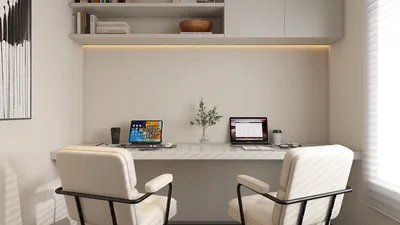


Direct Answer
Open-concept kitchen and living areas continue to dominate residential design trends due to their ability to encourage flexible living, foster social interaction, and create multifunctional spaces. Contemporary architects now enhance these layouts by incorporating subtle spatial divisions, improved acoustics, and smart technology, making open-concept homes more functional than earlier designs.
Quick Takeaways
Introduction
Over the past ten years working on residential projects, the open-concept kitchen and living space has transformed from a trendy feature to a near-standard in modern homes. However, the design field is quietly evolving once again.
While many homeowners still imagine open plans as simply "taking down walls," designers today adopt a more deliberate approach. The focus is on seamless flow, visual connectivity, and adaptable living environments. Poorly executed open layouts often result in excessive noise, cluttered views, and awkward furniture arrangements. Conversely, well-designed spaces become the social centerpiece of the home.
In numerous recent projects, clients approached me frustrated by layouts that looked appealing in photos but failed in everyday use. Visualization tools like Homestyler that enable homeowners to preview integrated kitchen and living configurations before construction prove invaluable, as they identify circulation problems early on.
This article analyzes prevailing interior design industry trends influencing open-concept homes today—from architectural design to technology integration—and explores future directions.
save pin
Why Open Concept Living Became a Leading Design Trend
Key Insight: The surge of open-concept layouts aligns with contemporary lifestyles centered on social engagement and multifunctional use of living areas.
Traditionally, kitchens were concealed, utilitarian spaces. Lifestyle changes have shifted this paradigm: families now cook together, entertain guests during meal prep, and supervise children while working in the kitchen.
Statistics from the National Association of Home Builders show that open kitchen-family room combinations consistently rank as some of the most sought-after features in new homes. Builders respond by creating floor plans where the kitchen, dining, and living spaces visually interconnect.
Several key drivers have propelled this trend:
However, after years of ultra-open designs, architects and designers are addressing early challenges such as sound disturbances, clutter visibility, and the lack of privacy.
Modern Architectural Solutions for Open Kitchen Layouts
Key Insight: Instead of eliminating all walls, architects now employ subtle spatial divisions to maintain structure within open kitchens.
A common misconception is that open plans require walls to vanish completely. In truth, contemporary designs often utilize soft boundaries that organize space without obstructing light or views.
Popular architectural strategies include:
Many designers use digital planning tools like Homestyler to experiment with spatial flow and allow clients to visualize 3D models of kitchen, dining, and living zones prior to finalizing architectural plans.
This pre-planning phase significantly minimizes renovation errors.
save pin
Interior Design Trends in Seamlessly Integrated Living Areas
Key Insight: Designers emphasize visual harmony so kitchens organically blend with adjacent living spaces.
As kitchens merge with main living areas, aesthetic considerations become paramount. Appliances, cabinetry, and storage solutions must transcend pure functionality to enhance design cohesion.
Current trends shaping integrated kitchens include:
A frequent mistake is treating the kitchen as a distinct visual theme. Successful open-concept interiors echo the kitchen’s color scheme and materials within living spaces—incorporating consistent wood tones, fabrics, lighting finishes, and textures.
This creates a "single spatial narrative," a concept celebrated by designers to unify the environment.
save pin
How Builders Approach Open Floor Plans Today
Key Insight: Builders increasingly consider open floor plans as dynamic circulation networks, not just visual layouts.
Practically, this means analyzing how residents flow through the space.
Professionals typically assess three primary movement paths:
Many design errors stem from kitchen islands or furnishings that obstruct these pathways.
During renovations, I recommend clients use tools like Homestyler to test various layouts focusing on island positioning and traffic flow. Even simple simulations can reveal potential bottlenecks.
Experienced builders also factor in:
Answer Box
The major evolution in open-concept kitchen living design is a shift from completely open plans to strategically zoned spaces. Modern designers emphasize flow, sound management, and visual unity over just removing walls.
Smart Home and Technology Integration in Open-concept Spaces
Key Insight: Technology is increasingly embedded as an integral architectural element in open floor plans, not an add-on.
Large open areas enable centralized control systems to function efficiently. Lighting, audio, climate, and security can be managed seamlessly across connected zones.
Emerging tech trends include:
One aspect often overlooked is acoustic echo. Hard surfaces in open spaces amplify noise, prompting designers to incorporate acoustic panels, upholstered furnishings, or textured wall finishes to balance sound.
save pin
Future Trends in Open Concept Residential Architecture
Key Insight: The future points toward adaptable openness, favoring flexible spatial configurations over permanent wall removal.
After years of fully open designs, homeowners now appreciate the value of creating occasional private zones.
Innovations emerging in new builds include:
These features allow residents to modify their environment for various activities—be it family gatherings, work-from-home tasks, entertaining guests, or quiet retreats.
Final Summary
FAQ
Are open concept layouts still popular in 2026?
Absolutely. Open-concept kitchen living spaces remain in demand, though designers incorporate subtle zoning and acoustic solutions for enhanced comfort.
What challenges come with open floor plans?
Typical issues include noise transmission, visible clutter in kitchens, and limited privacy.
Do open kitchens boost property value?
In many regions, yes—especially when the kitchen integrates seamlessly with living and dining areas.
What is the ideal size for open kitchen living rooms?
Comfortable configurations generally span between 400 to 700 square feet, depending on furniture and circulation requirements.
What is the most common pitfall in open concept design?
Poor circulation caused by islands or furniture blocking natural pathways.
Are open concept homes becoming outdated?
Not at all, though the trend is evolving towards spaces that can be partially enclosed when needed.
Which colors are best for open kitchen living areas?
Designers often opt for harmonious palettes featuring warm neutrals, wood hues, and layered textures.
How can noise be minimized in open concept homes?
Incorporate rugs, upholstered furniture, acoustic panels, and diverse textured materials to absorb sound.
Meta TDK
Meta Title: Interior Design Industry Trends for Open Concept Kitchen Living Spaces
Meta Description: Explore the latest interior design trends shaping open concept kitchen living spaces and how architects plan modern open floor homes with tools like Homestyler.
Meta Keywords: open concept home design trends, modern open kitchen living room ideas, architecture trends open floor plan homes, interior design trends open kitchen layout, Homestyler
Homestyler's roots trace back to Autodesk, the global leader in design and engineering software. That heritage lives on in every feature we build. Today, with a community of more than 18 million users worldwide, Homestyler continues to make professional-quality interior design accessible to everyone — from first-time decorators to seasoned architects.
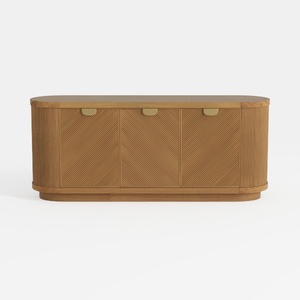
Modern Minimalist Solid Wood Fluted Sideboard with Brass Accents 3D Model


Minimalist Terrazzo Solid Wood Round Coffee Table 3D Model

Farmhouse Round Coffee Table Set of 2, Rustic Sofa
Homestyler is an easy-to-use online home design platform offering powerful 3D rendering, a vast collection of interior design projects, and helpful DIY video tutorials. It’s perfect for anyone looking to create and visualize beautiful, personalized spaces with confidence.
Projete agora para LIVRE
































