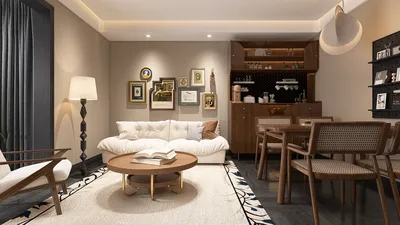


Direct Answer
Typically, a two-tier coffee table is simpler to style as it minimizes visual complexity and encourages a more straightforward design approach. Conversely, a three-tier coffee table provides enhanced versatility and storage options but demands a clearer visual hierarchy to prevent overcrowding.
In actual living spaces, choosing between them depends on how much you want your coffee table to serve as storage, display, or a central design feature.
Quick Takeaways
Introduction
I frequently get asked during living room design projects if decorating a three-tier coffee table is more challenging than a two-tier one.
With over ten years of experience in residential interior design, I can say the answer goes beyond looks. It's about visual hierarchy, storage functionality, and how people interact with their furniture. The decision between styling a two-tier or three-tier coffee table boils down to the level of structure you prefer.
In many households, the coffee table ends up as a multipurpose surface filled with books, remotes, trays, and décor. Adding tiers increases storage possibilities but also raises the risk of visual clutter.
Before settling on a design, I often assist clients by testing layouts with digital room planning tools. Experimenting with furniture arrangements virtually can clarify whether a multi-layered coffee table enhances or overwhelms a space.
This article explores the design tradeoffs between two-tier and three-tier coffee tables, highlights common styling errors, and identifies when the extra tier truly benefits a room.
Understanding the Structural Difference Between Two-tier and Three-tier Coffee Tables
Insight: The primary distinction isn't storage capacity but the number of visual layers the eye perceives.
Two-tier tables offer a simple main display surface with an additional shelf for function, while three-tier tables add one more level that either holds items or is deliberately left empty.
Each extra layer increases styling considerations from a design standpoint.
Typical Structure Comparison
Interior styling thrives when surfaces maintain a "primary-secondary" visual hierarchy. When a third tier appears, many homeowners try decorating all levels equally, leading to design challenges.
The National Association of Home Builders notes that there is growing preference for hidden storage in living rooms. Multi-tier furniture caters to this trend, but balancing storage with decoration can be tricky since they serve different purposes.
Decorating Flexibility: How Extra Levels Affect Styling Options
Insight: Three-tier tables increase styling flexibility if each shelf fulfills a distinct role.
Used correctly, the additional tier simplifies decoration by separating display areas from storage zones.
In many recent projects, I organize tiers as follows:
This method keeps attention on the top display area while lower tiers manage everyday items discreetly.
When evaluating layered furniture, I often create quick digital mockups. Visualization tools that depict furniture scale in floor plans help determine if a multi-tier table will visually complement the seating arrangement.
Storage and Display Balance Across Table Designs
Insight: Two-tier tables prioritize décor, whereas three-tier tables tend to mask storage as part of styling.
Usually, homeowners don't keep coffee tables purely decorative in real-life settings — remotes, chargers, books, and children's belongings accumulate.
Here's how the two constructs typically perform.
Behavior of Two-tier Coffee Tables
Behavior of Three-tier Coffee Tables
A downside of three-tier tables is that clutter becomes less visible but not necessarily reduced; shelves can quietly fill with unplanned items over time.
Professional stylists often limit visible décor on the top surface to three to five pieces to maintain visual harmony.
Common Challenges When Styling Multi-tier Coffee Tables
Insight: The major error is treating every level equally in decoration.
When all tiers display similar objects, the table loses hierarchy and feels visually dense.
Typical problems I encounter in client homes include:
A Better Styling Principle
Leaving at least one shelf partly empty often makes the entire piece appear thoughtfully designed rather than cluttered.
Which Table Works Best in Small Living Rooms?
Insight: In smaller areas, simpler furniture shapes tend to create a less visually busy atmosphere.
Compact spaces already combine numerous elements—sofas, lighting, rugs, entertainment centers, artwork. Introducing a three-tier coffee table increases visual density considerably.
For apartments and smaller residences, I typically suggest:
When planning small spaces, designers frequently use tools that generate realistic styling concepts based on room dimensions. Comparing different furniture heights and tier numbers side-by-side reveals the best-fitting coffee table proportions.
Answer Box
Due to fewer visual surfaces, two-tier coffee tables are often easier to decorate, limiting styling complexity. Three-tier options offer more storage and adaptability but demand stringent hierarchy to prevent clutter.
When Is a Three-tier Coffee Table the Ideal Choice?
Insight: Three-tier tables excel when combining storage and display functions is necessary.
In busy or family-centric living rooms, the additional shelf proves highly practical.
Situations favoring three-tier tables include:
The key to success lies in maintaining discipline in styling. Focusing decorative elements on one tier preserves visual balance despite multiple levels.
Final Summary
FAQ
Is styling a three-tier coffee table more difficult?
Somewhat yes. With more visual layers come extra decisions to uphold clear hierarchy and avoid clutter.
Which coffee table is simpler to style?
Most users find two-tier tables easier because they restrict the number of surfaces requiring styling attention.
What structure works best for coffee table décor?
Two-tier tables suit minimal decoration, while three-tier designs work well when both display and hidden storage are needed.
Can a three-tier coffee table offer a minimalist look?
Absolutely. Leaving one tier mostly empty and concentrating décor on the top surface helps retain visual harmony.
How many items should be placed on a coffee table?
Design professionals usually recommend three to five items on the main area to maintain balanced compositions.
Are multi-tier coffee tables out of style?
Not at all. They remain popular due to their combination of storage and style in a single piece.
What size coffee table suits small living rooms best?
Smaller rectangular or round two-tier tables often create a lighter, less congested feel in small spaces.
How do designers approach decorating two-tier vs. three-tier coffee tables?
Most treat only the top level as the primary styling surface, using lower tiers mainly for storage.
References
National Association of Home Builders housing design trend reports
Interior Design Society residential styling guidelines
For those exploring digital interior design, Homestyler offers an excellent platform to visualize and plan your living room layout with different coffee table options before making a purchase.
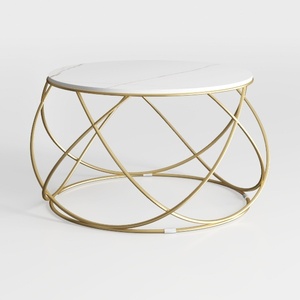
LITTLE TREE Modern White Dining Table for 4, 47-In
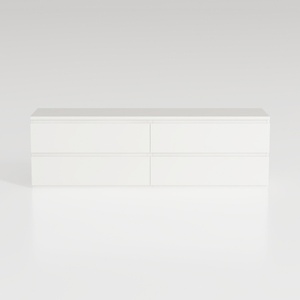
Minimalist White Solid Wood Dresser 4 Drawer Storage Cabinet 3D Model

side table_101S-CT1002-101 Stories
Homestyler is a user-friendly online home design platform offering powerful 3D rendering tools, inspiring design projects, and helpful DIY video tutorials. It’s perfect for creating and visualizing your dream interior effortlessly and creatively.
Projete agora para LIVRE
































