


Contemporary chandeliers have evolved significantly, transcending the traditional crystal designs and typical shapes. In living areas, they play a crucial role in setting the atmosphere—they anchor the visual scheme, modify the lighting scenario, and subtly influence the way people gather and navigate through the space. When assessing chandeliers, I consider scale and photometrics initially, followed by aspects like material choice, brightness control, and the behavioral signals they emit.
When it comes to scale, it’s essential to rely on actual measurements rather than estimations. For living rooms measuring between 14 to 18 feet in width, a chandelier diameter between 28 to 36 inches typically maintains visual harmony while ensuring unobstructed sightlines. From the perspective of light quality, the WELL v2 standard promotes the management of glare and advocates for layered lighting; this translates to having a chandelier that provides soft ambient light combined with supplementary task and accent sources to reach around 20 to 40 footcandles for general living areas, consistent with IES guidelines. Research by Gensler indicates that individuals prefer spaces where they have control over light brightness, and dimmable or tunable white features can alleviate eye strain and enhance comfort.
The interplay of brightness and color temperature significantly influences ambiance. A warm-white range of 2700 to 3000K is conducive to relaxation and evening socializing, while a neutral 3000 to 3500K is suited for multifunctional spaces that accommodate reading or casual work. According to Verywell Mind’s insights on color psychology, warm hues foster calm social interactions; applying this to lighting means that a slightly warmer correlating color temperature (CCT) combined with matte finishes minimizes glare and creates an inviting atmosphere.
Selecting the Appropriate Scale and Height
I begin by examining spatial ratios: aim for chandelier diameter around 2.0 to 2.5 inches for every foot of room width, then adjust based on ceiling height, furniture layout, and sight angles. For standard 9 to 10-foot ceilings, hang the fixture so that its lowest point is positioned 78 to 84 inches above the ground. When placing it over a coffee table, a height of 30 to 36 inches above the tabletop creates a cozy ambiance without obstructing lines of sight. If your living area features vaulted ceilings, consider shortening the drop to maintain a cohesive visual ceiling plane; otherwise, the chandelier may appear visually disconnected.
Light Quality: Illumination, Glare, and Dimming
A well-designed living room generally requires between 2,500 to 5,000 lumens distributed among various sources. The chandelier should provide gentle ambient light (generally 40 to 60% of the total), with additional lamps or wall-mounted fixtures addressing task and accent lighting needs. Glare can quickly diminish the elegance of a beautiful fixture. I steer clear of high-intensity light sources being directly in view; employing diffusers, ribbed glass, or indirect lighting helps mitigate stark contrasts. A dimmer that operates on a 0 to 10V scale or phase dimmer with a smooth low-end curve allows for a seamless transition from hosting gatherings to enjoying movie nights, avoiding abrupt shifts.
Material and Finish: Embracing Modernity Without Sterility
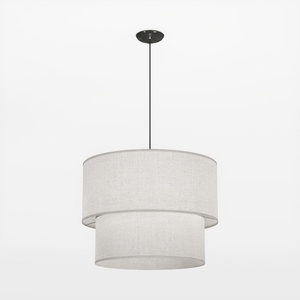
Modern design doesn’t equate to minimalism lacking warmth. Brushed brass introduces a cozy feel without straying into vintage territory; blackened steel frames highlight geometric shapes; while satin nickel complements cooler color schemes. Materials like frosted glass, opal acrylic, or linen diffusers soften shadows and enhance skin tones. For spaces that embrace biophilic design—utilizing timber and textured textiles—selecting a chandelier with tactile finishes and organic flowing lines can anchor the material theme.
Form Language: Linear vs. Radial, Sculptural vs. Subtle
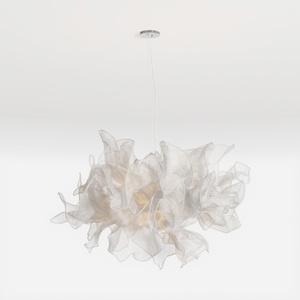
Linear chandeliers are ideal for rectangular seating arrangements and promote smooth traffic flow. In contrast, radial or branching designs establish central conversation areas, creating a visual focal point. While sculptural pieces act as artful highlights, they require nearby decor to be understated; quieter ring fixtures or halo pendants facilitate layered design without overwhelming the space. I evaluate sightlines from key locations like the main sofa, pathways, and TV wall to ensure that the form appears elegant from every viewpoint.
Color Temperature and Comfort at Night
In rooms transitioning into evening hours, I recommend maintaining the chandelier at a warm 2700 to 3000K and complementing it with warmer lamp sources. Systems that allow for tunable white options, ranging from 2700 to 4000K, are beneficial if the living space also serves as a daytime work area. Dim the lights to about 20 to 30% for television viewing to minimize screen reflections, while reflecting additional light off walls or ceilings adds depth.
Acoustic and Behavioral Insights
Metal fixtures can subtly reflect sound; therefore, in spaces with hard surfaces, I balance this with rugs, curtains, and upholstered items to mitigate echoes. From a behavioral standpoint, placing a chandelier in the center of the seating area encourages gathering; positioning it off-center can enhance flow toward features like a fireplace or scenic view. My planning process incorporates a room layout tool to simulate sightlines, seating distances, and ensure sufficient clearance around furniture and pathways.
room layout tool
Important Installation Considerations
Utilize a canopy that harmonizes with the ceiling's finish and ensure a stem or cable management strategy that maintains clean lines. If the fixture's weight is substantial, verify joist placements and use a rated junction box. Align centerlines with the principal furniture axis, rather than the room's geometric center, unless the layout is perfectly symmetrical. I predetermine dimmer positions for ease of access, allowing guests to control lighting without intruding on the view.
Emerging Trends for 2024-2025
Current trends reflect a preference for slimmer LED engines integrated into sculptural rings, branched biomorphic arms adorned with opal globes, and mixed-metal designs that combine brushed brass and graphite. The shift toward sustainability is moving beyond discussion—modular LED systems, repairable diffusers, and low-VOC finishes are becoming industry standards. In casually luxurious living areas, diffuse halos and flattened dome shapes maintain a contemporary appearance while providing soft, even lighting.
Real-World Sizing Examples
• Living room measuring 12x16 feet with a 9-foot ceiling: 28 to 32-inch diameter halo pendant, delivering 2,800 to 3,500 lumens at 3000K, dimmable.
• Living room measuring 15x20 feet with a 10-foot ceiling: 34 to 40-inch branching chandelier, providing 3,500 to 4,500 lumens at 3000K, supplemented with two floor lamps.
• Living room measuring 18x22 feet with 10 to 12-foot ceilings: dual fixtures or a single 42 to 48-inch ring plus perimeter wall washers to ensure balanced uniformity.
Placement and Layering Strategy
I begin with the chandelier centered over the main seating conversation area, subsequently adding two to three layered elements: accent lighting for artwork or shelves and task lighting adjacent to reading spaces. To enhance the television experience, it’s best to avoid strong downlighting that could reflect on the screen; instead, opt for vertically diffused light behind the viewing wall.
Cited References
To ensure effective glare control and layered lighting practices, I rely on guidance from WELL v2 and IES residential lighting recommendations. Both sources emphasize the importance of dimmable features, balanced illumination levels, and controlling the direct visibility of bright sources.
WELL v2
Frequently Asked Questions
Q1: What brightness level should a modern chandelier deliver in a living room?
A: Target between 2,500 to 5,000 total lumens for the room, ensuring the chandelier contributes approximately 40 to 60% of that total. Supplement with fixtures like lamps or wall lighting to achieve around 20 to 40 footcandles for general use.
Q2: Which color temperature is ideal for evening relaxation?
A: Aim for a warm 2700 to 3000K, as it creates a cozy and inviting atmosphere, perfect for socializing or watching movies. If the room also functions as a workspace during the day, consider implementing tunable white options ranging from 2700 to 4000K.
Q3: How can I determine the appropriate chandelier diameter?
A: Start with 2.0 to 2.5 inches per foot of room width as a guideline, then adjust according to furniture size and ceiling height. For a room that measures 16 feet in width, a typical chandelier size would be between 32 to 40 inches.
Q4: What is the recommended mounting height for chandeliers?
A: Ensure the lowest point of the chandelier is positioned 78 to 84 inches above the floor. When installed over a coffee table, it should hang 30 to 36 inches above the tabletop to avoid overcrowding sightlines and preventing any head bumps.
Q5: What strategies can I use to minimize glare?
A: Consider diffusers (such as opal glass, acrylic, or linen), refrain from including high-intensity sources in the direct sightline, and utilize dimming options. Refer to practices recommended by WELL v2 and IES for effective glare management.
Q6: Should I choose a linear or radial chandelier according to my layout?
A: Linear chandeliers are ideal for rectangular seating arrangements as they facilitate traffic flow; meanwhile, radial or branching options are better suited for anchoring central gathering spaces. Validate your layout using an interior layout planner such as Homestyler.
Q7: Are modern chandeliers compatible with smart dimmers?
A: Most LED chandeliers work well with quality phase or 0 to 10V dimmers. Check the driver specifications to ensure smooth low-end dimming capabilities without flicker.
Q8: Which finishes convey a modern yet warm aesthetic?
A: Options like brushed brass, blackened steel, and satin nickel offer versatility. Frosted diffusers and matte surfaces help to mellow brightness and diminish glare.
Q9: How can acoustics influence fixture choices?
A: In rooms with harsh surfaces, opt for fixtures that feature soft diffusers while complementing them with rugs and curtains to absorb sound. Metal-heavy designs might reflect sound waves, so it’s wise to balance material choices.
Q10: Can one chandelier effectively illuminate a large living area?
A: For spaces exceeding 300 square feet, a single chandelier rarely provides adequate illumination. Pair it with additional perimeter lighting—such as wall washers, floor lamps, or cove lighting—to maintain overall light uniformity.
Q11: What is the optimal way to support a heavy fixture?
A: Utilize a rated junction box securely attached to a joist or a support brace kit. Make sure weight limits are adhered to and consider hiring a professional for installation of fixtures weighing 25 to 30 pounds or more.
Q12: How can I avoid reflections on my TV screen?
A: Use diffused lighting sources, keep the chandelier out of the direct reflection range, and layer vertical illumination behind the TV wall. Dimming the lights to 20 to 30% during viewing can also help.

Homestyler is your go-to online home design platform! With its user-friendly design tool, stunning 3D renderings, and a wealth of instructional videos, you can unleash your creativity and transform your space into your dream home effortlessly. Perfect for all design enthusiasts!
Projete agora para LIVRE
































