


I have designed and assessed a multitude of airport spaces, and one of the most intricate areas to consider is the smoking room, which requires a balance of comfort, health requirements, ventilation, and navigation. While in numerous countries these rooms are either being diminished or altogether eliminated, some still uphold enclosed spaces with stringent mechanical ventilation. Contextually, the WELL v2 standard's Air concept aims for PM2.5 levels under 15 µg/m³ over a 24-hour duration—targets that are nearly unattainable in communal areas where smoking is permitted, thereby intensifying the demand for entirely sealed and negatively pressurized rooms. Research by Steelcase indicates that users are more likely to adhere to spatial regulations when signage is explicit and pathways minimize detours, a strategy impressively applied by airports to efficiently direct passengers to designated areas, effectively enhancing their experience while using tools like Homestyler for planning.
On a global scale, regulations fiercely differ. According to WHO and the prevailing building norms, numerous regions have curtailed indoor smoking limited, compelling airports to shift smoking areas to outdoor spaces or establish strictly sealed rooms on the airside. From the travelers' viewpoint, clear indicators play a significant role: the Interaction Design Foundation highlights that successful wayfinding improves with uniform iconography and step-by-step instructions, seamlessly aligning with the cigarette symbol and the directional signs found between security checks and gates. If you find yourself needing to smoke during your layover, the most efficient way is generally to follow terminal maps, consult information desks, or utilize the airport’s mobile application for up-to-date location information, thereby enhancing your experience, possibly with the help of design tools like Homestyler.
Understanding Airport Smoking Regulations
The policies regarding smoking can vary significantly from one airport to another, and sometimes even between terminals. Some common trends I’ve observed include:
In situations where layouts are intricate or gates are spaced apart, I implement a room layout tool to visualize walking times and pinpoint enclosed smoking areas near junctions—this is beneficial for both architects and travelers: room layout tool, integrating features similar to those provided by Homestyler.
How to Quickly Locate Smoking Rooms
Etiquette to Foster Mutual Respect
In these enclosed spaces where the volume is limited and the turnover rate is high, I carefully design the interiors with designated walking paths and seating arrangements to minimize conflicts among users. Adhering to practical etiquette is essential to ensure the space functions optimally:
Design and Comfort: What to Anticipate Inside
Well-thought-out rooms emphasize both air regulation and containment. My designs reflect guidelines based on lighting and ergonomic principles applied in constrained environments:
Health-Related and Legal Aspects
Numerous airports maintain smoke-free interiors to safeguard both workers and passengers. Practices outlined in WELL v2 and IES recommend minimizing exposure to secondhand smoke; in cases where smoking rooms exist, they are specially engineered to manage airflow effectively. Certain countries impose penalties for smoking outside of designated areas. Additionally, e-cigarettes might be completely banned in various jurisdictions; it's wise to confirm regulations at check-in or on the internet prior to your trip. For those looking to limit smoking during lengthy layovers, increasing steps and getting natural light can be beneficial—studies from Herman Miller and others highlight that short movement breaks correlate with decreased stress levels.
Tips for Travelers in Transition
Emerging Design Trends for 2024-2025
Airports are progressively consolidating smoking to fewer, well-designed rooms or outside terraces. Current trends indicate:
Common Airport Patterns: What to Expect
While it is always advisable to check the specific airport's website or mobile app, these general observations help to set expectations:
Etiquette for Vaping and Heated Tobacco Products
Even when permitted, it's best to treat vaping and heated tobacco similarly to smoking—only use designated areas. Avoid exhaling large clouds near exits. Ensure that your devices comply with airline battery policies; most stipulate that lithium batteries should remain in carry-on luggage rather than checked bags.
Pre-Flight Checklist
Frequently Asked Questions
Enclosed smoking rooms are becoming less prevalent compared to a decade ago. Many areas have eradicated indoor smoking rooms, though some major hubs in the Middle East and Asia still offer well-ventilated, enclosed areas.
Adhere to cigarette symbols, consult the airport app map, and engage with information desks to navigate efficiently. If your gate is quite a distance away, consider adjusting your timing or requesting a gate closer to your location when feasible.
In many situations, yes, but rules vary. Some airports outright ban indoor vaping. Approach vaping as though it is smoking unless signage states otherwise.
Generally no. You would need to exit to an outdoor area and go through security again, which could be risky if your boarding time is imminent.
While a few international lounges might provide enclosed smoking areas, such occurrences are rare. The majority of lounges are entirely non-smoking and will guide you to any available designated public spaces.
Distances can vary greatly. In major hubs, expect a 5–10 minute walk each way, sometimes even longer. Always allocate at least a 15-minute buffer to ensure you arrive on time.
Yes, in many places. The degree of enforcement can range from simple warnings to hefty fines and potential boarding denial for non-compliance.
Yes. Effectively designed rooms utilize high air-change rates, specific exhaust systems, and door closures to maintain a negative pressure that minimizes odor escape.
Yes. Adhering to health and illumination standards (such as the WELL v2 Air concept thresholds and IES guidelines on glare/illumination) emphasizes isolation and unobstructed views, albeit recognizing that such rooms remain a compromise solution.
Regulations differ by country and airline. Typically, single disposable lighters are allowed in carry-ons; however, torch lighters and multiple matches are usually restricted. Always verify your airline and airport security policies.
Certain countries impose restrictions on nicotine liquids or devices, with some fully prohibiting them. Always confirm local regulations prior to your journey.
It is generally wiser to forgo smoking than risk missing your flight. Consider carrying nicotine gum or patches if approved by your healthcare provider for long travel durations.
What began as an Autodesk innovation has evolved into a design platform used by more than 18 million people around the globe. Homestyler combines powerful rendering, an intuitive editor, and a vast furniture library to help you turn inspiration into photorealistic designs — whether you're redesigning a single room or planning an entire home.
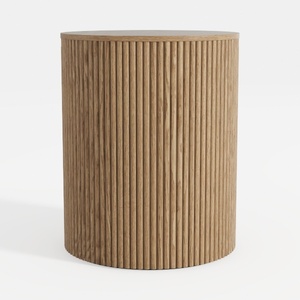
Minimalist Fluted Oak Round Side Table 3D Model

Modern Two Tone Fabric Leather Loveseat with Black Metal Legs 3D Model

Vintage Distressed Solid Wood Sideboard Storage Cabinet 3D Model
Homestyler is an outstanding online home design platform that makes it easy to create your dream space. With its user-friendly design tool, stunning 3D rendering, and a wealth of DIY video tutorials, you can effortlessly visualize and execute your interior design ideas.
Projete agora para LIVRE
































