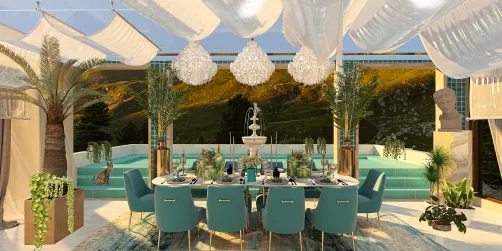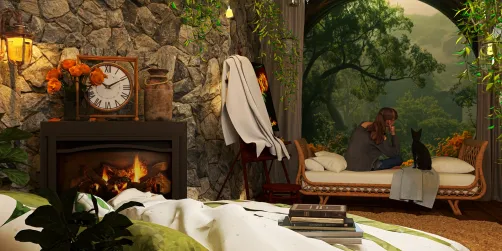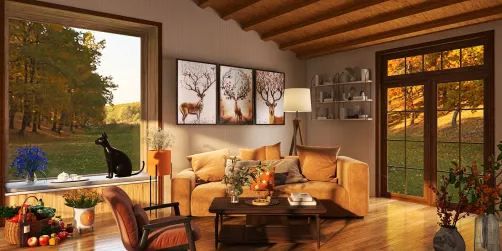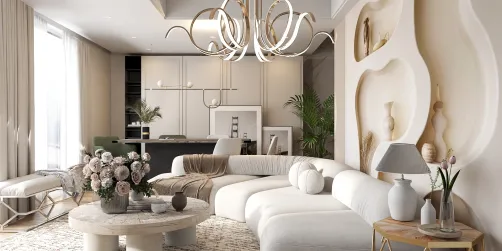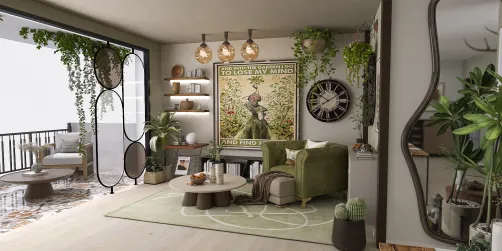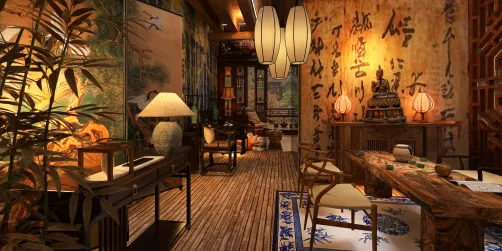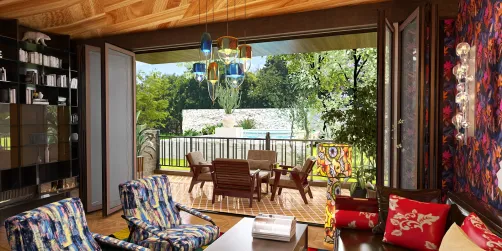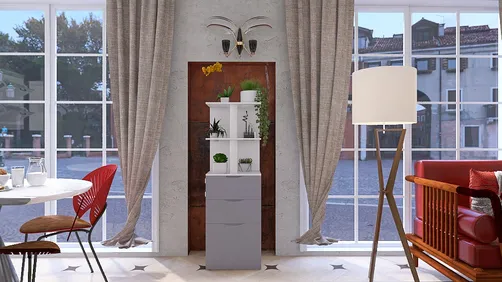
I explore the principles of Vastu in living rooms through the perspective of spatial intention and evidence-based design strategies. Artworks serve as more than mere decorations; they influence emotions, direct movement, and convey values to anyone entering the space. In areas designed for family interactions and hosting guests, selecting the appropriate art can enhance energy flow, ease transitions, and align beautifully with Vastu guidelines, all without being overly prescriptive.
Energy alignment should also take into account insights from behavioral and workplace studies. Research by Steelcase indicates that environments with biophilic elements are perceived as restorative by 70% of individuals, making this information highly applicable to residential living rooms where daily stress relief is essential (Steelcase Research). The WELL v2 framework emphasizes that access to nature and controlled lighting can alleviate visual fatigue and anxiety. This is particularly relevant when choosing artworks that feature serene imagery and matte textures to minimize glare (WELL v2). These findings complement Vastu’s focus on calm visuals and strategic placement that aligns with the primary social function of the room.
Color psychology plays a significant role in how warmth and sociability are perceived. According to Verywell Mind, soft blues and greens are often associated with a sense of peace, while warm neutrals and muted earth tones foster a welcoming atmosphere without overwhelming the senses (VerywellMind color psychology). In my design projects, I adjust the color palette in relation to natural light: cooler hues for bright south or west-facing spaces, and warmer, textured art pieces in north-facing areas. This approach aligns the ambiance of the room with Vastu’s preference for harmonious and soothing visuals.
Vastu Principles, Interpreted Through Contemporary Design
Vastu promotes artwork that embodies auspiciousness, such as scenes featuring nature, flowing water (which symbolizes abundance but should avoid turbulent motifs), lotus or peacock designs, tranquil landscapes, and narratives that celebrate family. I consciously steer clear of intense battle scenes, chaotic abstract pieces with aggressive angles, or lonely, barren imagery—these choices can introduce disharmony or stagnation. Since the living room serves as a communal heart, Vastu-adhering art should exude welcome, positivity, and connection.
Directional Placement: East, North, and the Social Anchor
When possible, positioning uplifting art on the east wall (representing new beginnings and vitality) can create a positive impact. The north sector, linked to prosperity, is well-suited for tranquil water themes or serene greens. If the main seating arrangement faces a focal wall, I prefer balanced and symmetrical artwork, ensuring that those entering the space view something uplifting rather than overly dramatic. Utilize a room layout tool to experiment with sightlines and social arrangements before making any permanent placements: room layout tool.
Scale, Proportion, and Rhythm
Art must harmonize with the furniture size. Generally, artwork above a sofa should cover 60–75% of its width, hung with the center positioned approximately 57–60 inches from the ground, tailored to ceiling height and visitor seating. Multiple artworks should establish a visual rhythm, whether as a structured grid with consistent spacing or a linear gallery that flows with the seating arrangement. This sense of order aligns with Vastu’s principles: evenly spaced elements soothe the eye and organize movement.
Color Palettes Aligned with Vastu Intent
- Serenity: soft blues, sage green, and light stone shades help mitigate the impact of the intense western sunlight while complementing water or plant motifs.
- Abundance: gentle emeralds and celadon paired with warm beiges, accentuated with occasional gold leaf for subtle sophistication.
- Social warmth: terracotta, muted corals, and soft caramel tones—ideal for spaces around the hearth or gathering areas.
- Avoid: jarring red-black contrasts or overly vivid neon colors, as they can heighten sensitivity in compact living spaces and unsettle the social atmosphere.
Light, Glare, and Reflectance Control
Lighting significantly influences how Vastu artworks are perceived and their impact on mood. I reduce glare through a mix of matte finishes and wall washers positioned at 30–35 degrees to the artwork, minimizing direct reflection. The Illuminating Engineering Society typically recommends lighting levels of 10–30 footcandles for general living areas, with accent lighting reaching up to 50 footcandles for key pieces; dimming capabilities optimize adaptability during social gatherings (IES standards). Maintain a color temperature between 2700–3000K for inviting spaces, adjusting to 3000–3500K for cooler tones. When incorporating water-themed artworks on the north wall, couple them with diffused, gentle lighting to maintain tranquility.
Materiality and Sustainability
Select high-quality archival materials, museum-grade glass that filters UV light, and frames certified by the Forest Stewardship Council (FSC). Natural fibers such as linen and cotton for canvases contribute softness and tactile quality. Limit the use of high-gloss resins, as they can create excessive glare and appear harsh in bright light. When collaborating with artists, request low-VOC finishes and consider local artisans to lessen the carbon footprint associated with transportation.
Iconography: What Works and What to Skip
Effective motifs include peaceful rivers, lotus gardens, sunrise vistas, and harmonious abstract works that emphasize family without overt symbols. Avoid imagery of isolated figures in despair, stormy seas, or dilapidated structures, as these designs may hinder the positive flow dictated by Vastu.
Compositions That Encourage Togetherness
Triadic or radial arrangements subtly draw individuals towards the center of the room. I often incorporate a gentle horizontal line—like a flowing river or hillside—to guide energy naturally across the seating areas without abrupt interruptions. In smaller living rooms, employing vertical formats might feel too domineering; panoramic proportions can create an illusion of spaciousness.
Hanging Heights, Groupings, and Layering
The central point of primary artwork should be positioned at eye level for seated guests, typically sitting 4–6 inches lower than conventional gallery height. For gallery arrangements, align the lower edges or the visual centers of the pieces, as this approach appears more serene. Integrate textiles and plants that mirror the artwork’s color scheme; this creates a cohesive ambiance that is in harmony with Vastu when multiple elements convey a single mood rather than compete with one another.
Integrating Family Portraits and Heirlooms
Family portraits are an excellent choice for living rooms when they project a sense of unity—featuring soft lighting, warm expressions, and uncluttered backgrounds. Strategically hang portraits on the east or north walls. Reframe heirloom pieces using simple, warm-toned profiles; overly ornate frames can overshadow the artwork and disrupt visual hierarchy. The goal is to create a stable and welcoming focal point.
Acoustic Comfort Around Art
Large glass surfaces can increase sound reverberation. I counterbalance framed art with sound-absorbent materials, such as woven rugs, soft seating, and concealed fabric acoustic panels. A tranquil sound environment contributes to Vastu harmony, promoting extended conversations without fatigue.
Workflow: From Concept to Placement
- Establish a clear intention: hospitality, tranquility, abundance.
- Map out daylight patterns and traffic flows.
- Curate colors and motifs compatible with the directional aspects (east for vitality, north for prosperity).
- Experiment with layouts using an interior layout planner: interior layout planner.
- Adjust lighting and glare management techniques.
- Finalize choices for frames and sustainable materials.
- Install with attention to eye-level reference and consistent spacing throughout.
Common Mistakes I See
- Hung too high: creates a disconnect and visual strain.
- Using overly intense images near entrances: increases anxiety levels and feels confrontational.
- Confused messages: clashing palettes and imagery that conflict muddle the intended atmosphere.
- Overlooking glare issues: shiny resin pieces beneath direct lighting can overpower the space.
FAQ
Q1: What is the optimal wall for Vastu artwork in the living room?
A1: East walls are associated with vitality, while north is linked to prosperity. When seating faces a focal wall, prioritize uplifting imagery that is visible from the entry point.
Q2: Which colors promote harmony without dulling the aesthetic?
A2: Choose soft blues, sage greens, and warm neutrals. Research from Verywell Mind links blues and greens to tranquility, while earth tones maintain a warm social atmosphere without sensory overload.
Q3: Are water-themed artworks suitable for living rooms?
A3: Indeed—gentle rivers or lakes symbolize flow and abundance. However, avoid depictions of stormy seas or crashing waves that may suggest turmoil.
Q4: How bright should accent lighting be for artwork?
A4: Aim for a range of 20–50 footcandles on the artwork itself, with the option for dimming. Maintain color temperature around 2700–3000K for inviting spaces and minimize glare according to IES recommendations.
Q5: What dimensions are ideal for art placed above a sofa?
A5: Generally, art should occupy 60–75% of the sofa’s width, centered around 57–60 inches from the ground, with adjustments based on ceiling height and seating ergonomics.
Q6: Which motifs are deemed auspicious?
A6: Themes such as lotus flowers, peacocks, sunrise vistas, serene waterways, and gentle botanicals convey notions of renewal, beauty, and abundance in line with Vastu principles.
Q7: Can abstract art align with Vastu guidelines?
A7: Certainly, as long as the color palette is soothing and the composition exhibits balance. Steer clear of aggressive angles or distressed textures that suggest conflict.
Q8: What measures can be taken to mitigate glare on reflective artworks?
A8: Employ matte finishes, utilize museum-quality glass with anti-glare coatings, and orient lighting at a 30–35 degree angle. Soft side lighting or wall washers can also help evenly distribute illumination.
Q9: Where should family portraits ideally be displayed?
A9: East or North walls are preferable. Ensure expressions are warm, backgrounds are uncluttered, and frame profiles are modest to maintain the room's calm aesthetic.
Q10: What materials are optimal for framing art?
A10: Use FSC-certified woods paired with low-VOC finishes. Simple frames highlight the art itself while adhering to Vastu’s principles of order and harmony.
Q11: Can biophilic-themed art enhance the living room experience?
A11: Absolutely. Steelcase research confirms that biophilic elements contribute to a higher sense of restoration, making nature-inspired and botanical artworks ideal choices.
Q12: How can I effectively plan art placement in relation to furniture?
A12: Utilize a room design visualization tool to prototype sightlines and groupings, ensuring that the artwork effectively anchors the seating and conveys a welcoming environment from the entryway.

Homestyler is your go-to online home design platform, perfect for turning your ideas into reality. With its user-friendly design tool, stunning 3D renderings, vast collection of design projects, and helpful DIY video tutorials, creating your dream space has never been easier. Start designing today!