


I've worked on numerous compact studio apartments, micro-offices, and slender galley kitchens; it's clear that a well-planned table can transform any room. The main objective is straightforward: create or modify versatile tables that can serve multiple functions—whether for work, dining, or food preparation—all while adhering to a reasonable budget.
Scale and ergonomic design are critical factors. Standard desk heights range from 28 to 30 inches, aligning with ergonomic standards for seated activities, which helps alleviate shoulder and wrist strain. Research from Steelcase indicates that varying your posture can enhance comfort and concentration over extended periods, underscoring the importance of adjustable surfaces in smaller work environments. The WELL v2 framework advocates for user comfort and adaptability, and encourages features such as adjustable heights or mobile tables to better fit various activities. These principles guide my designs for small-space tables.
Lighting is a crucial aspect, not an afterthought. According to IES best practices, a task illuminance of approximately 300 to 500 lux is recommended for maintaining visual comfort during activities like reading or crafting, and managing glare is important on shiny surfaces. This affects the choice of materials for DIY table tops; utilizing matte finishes or oiled wood can minimize reflections and keep your eyes comfortable.
Compact Table Strategies
In smaller spaces, furniture that can be tucked away, folded, or stacked is incredibly valuable. My designs focus on three key functionalities: mobility (using casters), transformation (foldable components), and multifunctionality. If you find your room layout challenging, utilizing a room design tool like Homestyler can help assess paths and clearances before any cutting takes place.
Fold-Down Wall Table (Murphy-Style)
This design is perfect for micro-kitchens and studio spaces. Construct it using a 3/4-inch plywood or birch panel measuring 24 to 30 inches deep and 30 to 36 inches wide, reinforced with heavy-duty folding brackets capable of supporting 100 to 150 lbs. Securely mount the cleat to wall studs and, if possible, incorporate a gas-spring hinge or soft-close hinge. A magnetic catch or side stays will stabilize the panel. Apply a matte polyurethane finish to mitigate glare under direct lighting. When closed, it can double as a gallery ledge or memo area, with a typical seating height of 29 inches.
Nesting C-Table for Sofa + Bed
The C-table is designed to slide beneath a sofa, functioning as a convenient spot for a laptop or for snacks. Construct this table using square steel tube legs or pine 2x2s, with a top around 14 x 24 inches. Maintain a base clearance of 2 to 2.5 inches for seamless gliding beneath most sofas, and aim for a height of 25 to 27 inches to complement lounge seating. Adding felt pads and a matte oak veneer can help manage glare.
Drop-Leaf Micro Dining Table
This narrow table, approximately 18 inches deep by 30 inches wide, features two drop leaves, allowing it to accommodate two in comfort or four in a pinch. Utilize rule-joint hinges for fluid leaf operation and swing-out wooden supports for added stability. The standard dining height is around 29 to 30 inches; ensure that it pairs well with chairs that have a seat height of about 17 to 19 inches for proper knee clearance. Consider stackable chairs to optimize floor space.
Rolling Kitchen Prep + Laptop Cart
When counter space is at a premium, a 20 x 30-inch rolling cart with locking wheels provides a preparation area during the day and a charging station by night. A butcher-block top (with an oil finish rather than gloss) helps maintain soft lighting, and a lower shelf can hold a small induction burner. Keep handles flush to avoid bumps in tight spaces. According to Steelcase, the ability to move supports task shifts; I observe this pattern in compact homes where one surface serves multiple purposes.
Window-Ledge Slim Bar
Transforming a sunlit window ledge into a breakfast bar can be a delightful addition. Fit a 10 to 12-inch deep laminated top, affixed with wall cleats and two unobtrusive front brackets. This shallow design allows for circulation while offering a quick station for coffee or a laptop. To enhance visual appeal, align the bar’s edge with window mullions and opt for subtle finishes to avoid visual clutter.
Accordion Laptop Table from Slatted Panels
Create this table by connecting two slatted panels with hinges, allowing them to fold into an L or Z shape. The slats reduce weight, provide ventilation for devices, and help with sound diffusion. A top of 20 x 18 inches accommodates a 14-inch laptop and a mouse. Consider adding a cable grommet and an under-shelf power strip for better cable management.
Bistro-Height Corner Pedestal
In tight foyers or corners, a 16 to 18-inch round pedestal table at a height of 40 to 42 inches serves well for brief standing tasks. Studies consistently promote standing for better posture, and a weighted base or wall anchoring can ensure stability.
Under-Bed Pull-Out Table
For studio apartments, building a shallow drawer with a flip-up top that slides out on full-extension runners (24 to 28 inches) is ideal. The front panel can serve as a kneehole support when flipped. Employ soft-close slides to avoid noise disturbances. Keep the materials matte to prevent glare from bedside lamps, which can strain the eyes.
Material Choices on a Budget
My go-to materials include 3/4-inch plywood with hardwood edge banding, laminate scraps, and reclaimed wood from old furniture. Avoid high-gloss finishes in well-lit areas; matte varnishes can minimize glare. For culinary setups near the table, consider using sealed laminates or oiled woods for easy cleaning. Opting for reclaimed materials not only reduces carbon footprint but also adds unique character at minimal cost.
Color Psychology for Small Rooms
Light and subtle shades can enhance perception of space. Cool colors, such as soft greys and blues, can visually recede into the background, making tight areas feel more expansive. According to insights from Verywell Mind on color psychology, calming blues and greens promote focus, which I incorporate into designs for optimal work environments. Additionally, creating contrast with mid-tone surfaces against lighter walls can enhance edge visibility and lessen visual fatigue.
Lighting and Glare Control
It's important to align lighting with tasks. Aim for a surface illumination of about 300 to 500 lux for activities like reading or crafting, utilizing diffused lamps or under-cabinet lighting. Fixtures should be placed out of direct sight, and matte surfaces should be preferred to reduce reflections. If metal legs are included, consider brushed finishes to minimize shine compared to chrome. Selecting warm-neutral color temperatures between 3000 and 4000K for dining and desk work can strike a balance between alertness and comfort.
Proportions, Flow, and Placement
In compact rooms, maintaining at least 24 to 30 inches of clearance for walkways is essential. To facilitate movement, round off table corners in tight areas. Experimenting with different orientations—such as placing a table perpendicularly to a window versus parallel to a wall—can be beneficial; utilizing an interior layout planner can help visualize flow and ensure proper knee clearance for chairs. A quick planning phase using a program like Homestyler can prevent frustration from mismatched builds.
Acoustic Comfort
In small, hard-surfaced rooms, sound tends to echo. Incorporating felt pads, cork coasters, or fabric runners on tabletops can muffle noise. Slatted or perforated materials in DIY bases can help disrupt sound reflections. If your table will also serve as a podcast station, avoid placing it in corners; instead, position it slightly off-center to mitigate echo.
Step-by-Step: A $60 Fold-Down Wall Table
• Materials: 3/4-inch plywood (24 x 36 inches), hardwood edge banding, two heavy-duty folding brackets, wall cleat, screws/anchors, matte polyurethane.
• Tools: Drill/driver, stud finder, level, sander/plane, brush.
• Construction: Identify studs; mount cleat at 29 inches; affix brackets to the cleat; cut, sand, and finish the panel; attach the panel to brackets; include a magnetic catch; test for stability and adjust edges as necessary.
• Tips: Pre-drilling into the studs is vital, as is using countersunk screws for a flush finish. If working near delicate surfaces, consider adding soft-close stays for safety.
Real-World Notes from Small Projects
Through experience, I find that mobile tables often become multifunctional hubs—whether used for dining, prepping, or charging devices—which necessitates effective cable management. I always include a small cord channel or grommet for this purpose. When designing window bars, it's beneficial to keep the depth minimal while adding a footrest rail; providing a place for feet tends to encourage guests to linger. For drop-leaf designs, reinforcing hinges with solid hardwood strips can help prevent sagging.
Where Research Guides the Build
• WELL v2: This framework highlights user control, comfort, and the importance of posture changes—wherever possible, integrate adjustable or mobile tables.
• Steelcase research: This research underscores how varying posture and maintaining mobility can enhance focus and facilitate task shifts; mobile carts or convertible tables are ideal solutions.
• IES: Their guidelines on illumination and glare play an important role in determining both finish options and lamp placements for comfortable work.
FAQ
Q1: What height should my small desk be?
A: Target a height between 28 and 30 inches for seated tasks while pairing it with a chair that has a seat height of 17 to 19 inches for optimal ergonomic alignment.
Q2: How much space should I leave around a dining table in a compact room?
A: Allow for 24 to 30 inches of space so that chairs can be pulled out easily and users can walk behind seated individuals without any hassles.
Q3: Which materials are affordable yet durable?
A: Using 3/4-inch plywood with hardwood edges, laminate scraps, and reclaimed wood is a wise choice. Applying matte polyurethane as a finish protects against wear while minimizing glare.
Q4: Can fold-down tables be safely utilized every day?
A: Absolutely, as long as they are mounted to stud walls using heavy-duty brackets and supported by a cleat. Check load limits (100-150 lbs) and consider additional side stays for support.
Q5: How can I manage noise on lightweight DIY tables?
A: Utilizing felt pads underneath, cork or fabric table runners, and incorporating slatted bases can significantly diminish noise impact in acoustically reflective spaces.
Q6: What type of lighting is ideal for a compact worktable?
A: Strive for about 300 to 500 lux of illumination using diffused lighting sources. A temperature of 3500 to 4000K is suitable for focused tasks while maintaining a matte finish to avert glare.
Q7: Can one table fulfill both dining and work functions?
A: Certainly! Designs such as drop-leaf tables or rolling carts can easily transition between roles. Remember to include cable grommets and stowable power strips to keep the dining area neat and tidy.
Q8: How can I enhance comfort on a tall bar table?
A: For heights of 40 to 42 inches, it's advisable to install a footrest rail, ensure robust bracing, and place the table near natural light for tasks that require quick execution without causing eye stress.
Q9: Which finishes can create a sense of spaciousness in small rooms?
A: Light, matte surfaces in cool shades tend to visually recede, while a mid-tone top against brighter walls enhances contrast without contributing to a cluttered appearance.
Q10: How can I determine the best location for a table in a micro studio?
A: Testing different orientations and flow with a layout planner can be critical. Pay attention to knee clearance, walk space, and glare from windows before committing to any construction.
Q11: Are casters suitable for everyday use in dining situations?
A: Yes, provided they are of a locking variety. Utilizing two locking casters diagonally can minimize any potential wobbling and protect the flooring beneath.
Q12: What strategies help keep cables organized on my DIY table?
A: Implement a rear cable channel, an under-table tray, and a grommet situated near corners for easy access. Velcro ties can aid in maintaining a clean look, allowing the table to adapt to different functions without the clutter.

Minimalist Solid Wood Woven Rattan Armchair 3D Model

Minimalist Fabric and Black Metal Table Lamp 3D Model
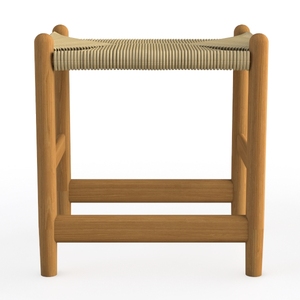
Minimalist Solid Oak Cane Woven Seat Stool 3D Model
Homestyler is your go-to online home design platform. It offers an easy-to-use design tool, stunning 3D renderings, and a plethora of inspiring design projects. Plus, with DIY home design video tutorials, you'll have everything you need to transform your space effortlessly!
Projete agora para LIVRE
































