


I regard a wooden stool not just as an extra seat but as an adaptable element that combines everyday utility with a sense of tactile warmth. In living areas where space, flow, and comfort are crucial, a thoughtfully selected stool can function as a seat, side table, plant stand, or footrest. The secret lies in picking the appropriate height, finish, and shape to align with your seating arrangement and enhance natural light. Considering tools like Homestyler can help visualize these arrangements effectively.
The use of multi-functional furniture has become essential in compact living spaces and open floor plans. Research from Steelcase suggests that flexible environments can lead to improved productivity and overall satisfaction—this idea is equally relevant in home settings where adaptability enhances functionality. Furthermore, the WELL v2 standard highlights the importance of healthy materials and low-emission finishes. This principle reinforces the value of responsibly sourced solid wood in maintaining optimal indoor air quality. I prefer certified low-VOC finishes and durable wood types such as oak or ash for a stool that stands the test of time.
Selecting the Appropriate Height and Proportions
The height of the seat is crucial for comfort and versatility. A height range of 17–19 inches is suitable for lounge seating, ensuring a comfortable posture by aligning knees and hips. When I need the stool to also serve as a side table, I increase the height to 18–20 inches to align with standard sofa armrests. I maintain a seat diameter of 11–14 inches for a sleek appearance; while wider tops of 15–17 inches provide a more generous feel, they require more floor space. Visual harmony is essential—tapered legs create a lighter look, whereas block legs convey sturdiness. When arranging seating clusters, I space stools 18–24 inches away from the front of sofas to ensure smooth foot traffic and avoid collisions.
Choosing Material and Ensuring Finish Quality
The choice of wood species affects weight, durability, and aesthetic character. Oak boasts a striking grain and excellent dent resistance, whereas ash is lighter with a subtle pattern; walnut is known for its deep hues and refined touch. I prioritize solid construction features—such as through tenons or doweled joints—over cam locks, particularly for stools that undergo frequent movement. Finishes should be low-VOC and resistant to wear. Well v2 guidelines stress the value of using low-emission materials; I tend to select hardwax oils or waterborne polyurethane for a finish that provides a balanced sheen while preventing ring marks when the stool is occasionally used as a drink holder.
Understanding Color Psychology and Tonal Harmony
Warm wood tones like oak or walnut nurture a sense of comfort and approachability, subtly promoting social interactions. In cooler color schemes featuring greys and blues, a warm wood stool becomes a focal point for social gatherings. Insights from Verywell Mind on color psychology reveal how warm tones create cozy and inviting atmospheres, enhancing a relaxed living room vibe without overwhelming the decor. For minimalist spaces, I typically opt for ash with a natural or whitewash finish to maximize brightness and minimize visual clutter.
Ergonomics: Curvature, Stability, and Comfort
Comfort is a top priority. A slight dish in the seat (6–10 mm) aids in supporting the sit bones while allowing for dynamic posture; rounded edges help avoid pressure points on the thighs. I check for stability by rocking the stool firmly—wider splayed legs or discreet stretchers enhance lateral stability. If the stool also serves as a footrest, I ensure the top edge has a gentle radius to avoid shin contact when pulled close to the sofa. Adding rubber or felt glides safeguards the floors and minimizes noise generated by movement.
Lighting, Shadows, and Surface Appearance
Living rooms often blend ambient and task lighting; stools are usually in the path of shifting light. Under warm ambient lights of 2700–3000K, wood grain appears more vibrant and any imperfections become less noticeable. I steer clear of high-gloss finishes in well-lit areas to reduce glare and reflections, particularly near south-facing windows. A matte or satin finish allows the surface to function effectively as a casual side table without creating harsh glare.
Planning Arrangement and Flow
I consider the stool's placement for versatility—ensuring it's close enough for foot support yet far enough to act as a small table for guests. In smaller rooms, I often use room layout tools like Homestyler to simulate traffic flow and maintain 30–36 inch pathways around key seating areas. Stools conveniently fit beneath console tables or alongside lounge chairs, providing an easy-to-move surface for books or tea without the burden of larger furniture.
Sound Dampening and Movement Considerations
Hard surfaces can amplify noise; placing felt pads under each stool leg helps minimize scraping sounds and protects flooring. I avoid lightweight constructions that produce drumming sounds upon movement; sturdy solids or braced frames help control noise. For stools that will be relocated often, a weight range of 6–12 lbs strikes a balance, offering solidity while being easy to handle for multiple uses.
Sustainability and Durability
Opt for responsibly sourced solid wood or high-quality veneer instead of particle board. Features like replaceable glides, finishes designed for easy repairs, and timeless designs contribute to the longevity of a stool. A piece that develops patina over time will enhance its charm—small dents will be seen as character rather than damage.
Styling Ideas for Versatile Use
- As a compact side table: Utilize a low tray to stabilize drinks and small items.
- As a plant stand: Use a cork mat on top to shield against water stains.
- As a reading spot: Pair with a floor lamp and keep a cozy throw nearby.
- As a layered accent: Pair two stools of differing heights for visual rhythm.
Maintenance Recommendations
Dust regularly; promptly clean any stains with a damp cloth and mild soap, ensuring to dry thoroughly. Reapply oil to hardwax finishes yearly. Avoid exposing the stool to direct sunlight for extended periods to prevent uneven fading; occasionally rotate its position to mitigate UV damage.
Frequently Asked Questions
For lounge seating, a height of 17–19 inches aligns comfortably with typical sofa seats. If you want the stool to also function as a side table, heights of 18–20 inches sync well with most armrests.
Oak and walnut manage dents well and age gracefully. Ash offers lightweight resilience, making it easy to reposition without compromising strength.
Absolutely. Opt for a slightly taller stool with a flat, stable surface. Use a tray to safeguard the finish and prevent tipping when placing beverages.
Install felt or rubber glides under each leg. Regularly replace worn pads, especially on wooden or tiled floors.
Low-VOC waterborne polyurethane or hardwax oils align with WELL v2 low-emission material recommendations and are durable for everyday use.
Woods with warm tones exude a cozy and inviting atmosphere, aligning perfectly with the color psychology insights shared by Verywell Mind, making them ideal for social living areas.
Maintain 30–36 inches of walking space. Position stools 18–24 inches from the fronts of sofas to avoid knee collisions and ensure smooth movement.
A gently contoured seat, rounded edges, and splayed legs for added stability—all these features minimize pressure points and prevent wobbling.
High gloss finishes can cause reflective glare and reveal dust or ring marks. Opting for matte or satin finishes avoids these issues in brightly lit spaces.
Weighting between 6–12 lbs strikes an ideal balance for stability and portability, ensuring heavier stools resist tipping while lighter ones are easy to move for various uses.



Safavieh Home Bandelier Light Natural and White Le
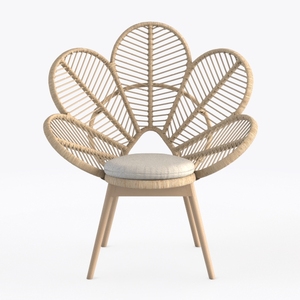
Baxton Studio Garan Modern Bohemian Natural Brown
Unlock your creativity with Homestyler, the premier online home design platform! Experience its user-friendly design tool, stunning 3D renderings, and a wealth of inspiring design projects and DIY video tutorials. Transform your vision into reality effortlessly and make your dream home come to life!
Projete agora para LIVRE
































