

Understanding the Distinction Between Vintage Western Decor and Rustic Farmhouse Style
Vintage Western design and rustic farmhouse aesthetics both embrace natural materials and a cozy, worn-in charm, yet they stem from distinct cultural backgrounds. While Western decor draws inspiration from ranch life, frontier history, and Southwestern motifs, farmhouse style emphasizes functional rural living, simplicity, and traditional country roots.
In terms of design elements, Western interiors often feature leather furnishings, rich dark woods, and heritage items such as saddles or Navajo textiles. Alternatively, farmhouse settings favor painted wood, lighter colors, and practical vintage furniture that evokes warmth and comfort.
Key Points to Note
Overview
A frequent question among homeowners intrigued by rustic interiors is: how do vintage Western decor and farmhouse style truly differ?
On platforms like Pinterest and various social media channels, these two aesthetics are frequently blended. For example, cowhide rugs might be found in a farmhouse-style room or shiplap walls might be decorated with cowboy-themed artwork. However, extensive experience with homes across California, Texas, and Colorado reveals that these styles are rooted in very different design traditions.
Vintage Western interiors originate from ranch culture and frontier craftsmanship, whereas farmhouse design reflects agricultural homes that prioritize utility and straightforward living. Both share materials such as wood and iron but differ significantly in ambiance, narrative, and furniture selection.
For those envisioning a rustic interior, early visualization through interactive tools can help explore Western and farmhouse design directions before making final decisions. Homestyler offers excellent features for homeowners to experiment with layouts and style choices in a virtual environment.
This guide breaks down the core differences between these two design styles, examining aspects like furniture size, textures, color schemes, and architectural context.
What Defines Vintage Western Home Interiors
Insight: Vintage Western decor serves as a narrative design infused with ranch heritage, frontier artisanal skill, and Southwestern cultural elements.
Designing Western interiors aims beyond rustic aesthetics to evoke the spirit of the American frontier—vast open spaces, ranch lifestyle, and handcrafted antiques filled with stories.
In contrast to farmhouse spaces, Western rooms tend to be more dramatic and multi-layered, showcasing authentic materials and unique statement pieces amassed over time.
Characteristically, Western design embraces asymmetry and individuality. Authentic ranch homes rarely have perfectly coordinated furniture sets; instead, pieces are collected gradually, adding to the rich, layered feel of these interiors.
What Defines Rustic Farmhouse Style
Insight: Rustic farmhouse style centers on comfort, functionality, and airy, light-filled environments inspired by practical agricultural residences.
The farmhouse aesthetic originates from homes built for hardworking farming families, where durability and simplicity were paramount over ornamental features.
Modern farmhouse trends, popularized by television renovation shows, tend to soften the rural look with brighter color schemes and vintage accents.
Compared to Western interiors, farmhouse spaces are lighter, cleaner, and more minimalist in presentation, emphasizing cozy familiarity rather than storytelling or historic symbolism.
Furniture and Material Contrasts
Insight: Distinctions between Western and farmhouse interior styles are often apparent in the scale, material, and heft of furniture choices.
Western furniture generally feels heavier, darker, and more substantial, while farmhouse furnishings adopt a lighter, more practical approach.
A common design pitfall is mixing farmhouse furniture with Western decor elements, which often results in a visually inconsistent aesthetic.
Leveraging tools like Homestyler to experiment with furniture placement can help homeowners avoid such mismatches by previewing different layouts before making purchases.
Color Palettes and Textural Elements
Insight: Western interiors favor rich, earthy tones and bold textiles, whereas farmhouse design highlights soft neutral hues and light, airy textures.
Color scheme is often the quickest way to distinguish between the two styles at a glance.
Western colors typically include deep browns, rust reds, turquoise, desert sands, and earthy neutrals.
Farmhouse palettes favor whites, creams, soft grays, beige tones, and muted greens.
Texture plays a key role as well; Western spaces mix leather, wool, raw wood, and metal, while farmhouse interiors lean on linen, cotton fabrics, and painted wood surfaces.
Core Differences Summarized
The main contrast between vintage Western decor and rustic farmhouse style lies in their cultural inspirations and design goals. Western themes celebrate ranch heritage and Southwestern textures, while farmhouse aesthetics prioritize simplicity, brightness, and practicality. Choosing between them depends largely on the architecture of your home and how bold or subdued you want your interior to feel.
Suitability for Various Home Types
Architecture plays a significant role in which style will harmonize best with a home’s structure.
Larger spaces tend to complement Western interiors well, as the heavier furniture and darker hues require more room to avoid feeling cramped.
Meanwhile, the lighter colors and minimalism of farmhouse design adapt better to smaller homes by visually expanding the area.
How to Merge Western and Farmhouse Styles Successfully
Blending the dramatic character of Western decor with the laid-back comfort of farmhouse style has become increasingly popular, especially in contemporary ranch residences.
Homestyler’s advanced visualization tools enable homeowners to create photorealistic renderings, allowing them to see how Western and farmhouse elements coexist before finalizing design choices.
Summary and FAQs
What distinguishes vintage Western decor from farmhouse style the most?
Western decor reflects ranch life with leather, dark wood, and Southwestern textiles, whereas farmhouse style focuses on light tones, painted wood, and simple rural utility.
Can Western decor suit smaller homes?
Yes, but with restraint—using select Western accents like a leather chair or cowhide rug rather than heavy furniture sets is recommended.
Is farmhouse style a more modern approach compared to Western decor?
Modern farmhouse aesthetics are more adapted to current trends, while Western design remains closely tied to historical ranch motifs.
Which design option is more economical?
Typically, farmhouse style is more affordable due to the use of painted woods and simpler furniture, which are easier to source than the authentic leather and handcrafted pieces of Western decor.
Can the two styles be mixed?
Absolutely, many modern ranch homes combine farmhouse architectural elements with Western accents such as leather seating and Southwestern textiles.
What are the primary colors in Western ranch interiors?
These include deep browns, rust red, turquoise, desert sand, and other natural earth tones.
Which colors dominate farmhouse interiors?
Typically, farmhouse spaces feature white, cream, soft gray, beige, and muted green shades.
Is vintage Western design still trendy?
Yes, Western-inspired interiors have experienced a resurgence thanks to contemporary ranch homes and Southwestern design popularity.
References and Further Reading
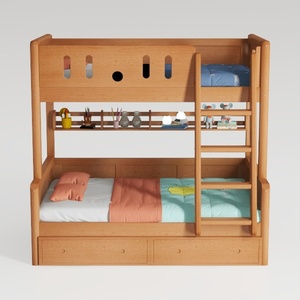

Solid Wood Kids Bunk Bed With Storage Drawers Shelves 3D Model
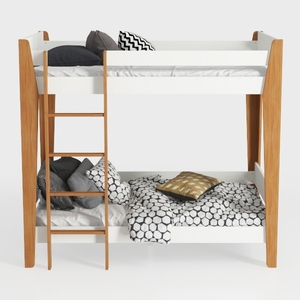
Storkcraft Next Santos Twin-Over-Twin 5-in-1 Conve

Minimalist Solid Oak Square Coffee Table 3D Model
Homestyler offers an easy-to-use online design tool with rich 3D renderings and inspiring interior projects. Whether you're a beginner or a design enthusiast, its DIY video tutorials and extensive resources help you create beautiful, personalized home interiors effortlessly.
Projete agora para LIVRE
































