

Comprehensive Comparison
Vintage Western decor and rustic farmhouse styles share a love for natural materials and a charming rustic vibe, yet their cultural origins differ significantly. Western decor draws inspiration from ranch life, frontier history, and Southwestern influences, whereas farmhouse style centers around rural simplicity, functionality, and traditional country living.
Practically, Western interiors favor materials like leather, darker woods, and heritage artifacts such as saddles or Navajo textiles. In contrast, farmhouse design tends to highlight painted wood, lighter color schemes, and utilitarian vintage furniture.
Key Insights Overview
Understanding the Differences
A frequently asked question among homeowners designing rustic interiors is: what exactly distinguishes vintage Western decor from farmhouse style?
On platforms like Pinterest and social media, the two aesthetics often overlap. It's common to find cowhide rugs featured in spaces labeled as "farmhouse" or shiplap walls adorned with cowboy-themed art. However, after completing multiple residential projects across California, Texas, and Colorado, it’s clear these styles stem from unique design heritages.
Vintage Western interiors originate from ranch culture and the legacy of the American frontier. Farmhouse style, on the other hand, developed from agricultural homes emphasizing practicality and simplicity. While both use natural materials such as wood and iron, their moods, narratives, and furniture selections diverge notably.
For those planning a rustic home, visualizing room arrangements early is essential. Many homeowners utilize tools like Homestyler to experiment with interior layouts, allowing them to explore both Western and farmhouse themes before making final decisions.
This guide delves into the distinguishing characteristics of these two styles, analyzing furniture proportions, textures, color schemes, and architectural context.
Understanding Vintage Western Home Decor
Core Idea: Vintage Western decor is a storytelling style rooted deeply in ranch heritage, frontier craftsmanship, and Southwestern cultural elements.
When crafting Western-inspired interiors, the approach goes beyond mere rusticity. The intent is to evoke the spirit of the American frontier through open landscapes, ranch lifestyle, and handcrafted objects with historical significance.
Unlike farmhouse interiors, Western designs typically feature more dramatic, layered arrangements, emphasizing authentic materials and one-of-a-kind statement pieces amassed over time.
Typical components include:
A notable aspect often overlooked is Western design's embrace of asymmetry and uniqueness. In traditional ranch homes, furniture was usually acquired over time rather than purchased as sets.
This aspect contributes to Western interiors feeling more textured and eclectic compared to the cleaner look of farmhouse spaces.
What Characterizes Rustic Farmhouse Style
Key Perspective: Rustic farmhouse style values functionality, comfort, and light-filled interiors inspired by working farmhouses.
Farmhouse design stems from practical homes built for farming families, where usefulness was prioritized over decoration.
Contemporary farmhouse style—popularized by renovation shows—adds brighter colors and vintage details to soften the aesthetic.
Common farmhouse design elements include:
Relative to Western interiors, farmhouse spaces generally appear lighter, cleaner, and more minimalist.
The emotional emphasis lies on comfort and familiarity rather than conveying historical narratives or symbolic meaning.
Distinctions in Furniture and Material Selection
Insight: The most noticeable contrasts between Western and farmhouse interiors are often reflected in furniture size, materiality, and weight.
Western furnishings tend to be sturdier, darker in tone, and more rugged in appearance. By contrast, farmhouse furniture usually feels lighter and more practical.
A frequent misstep in design consultations involves combining farmhouse-style furnishings with Western decor elements, producing an incoherent visual effect.
Employing design platforms like Homestyler to simulate furniture arrangements early can help avoid such mismatches.
Comparing Color Palettes and Textures
Key Insight: Western interiors showcase earthier, deeper hues and bold fabrics, whereas farmhouse spaces rely on soft neutral tones and airy textiles.
Color schemes often serve as the quickest way to identify which style a space embodies.
Typical Western Color Palette
Typical Farmhouse Color Palette
Texture further distinguishes the styles. Western designs mix leather, wool, raw wood, and metal accents, while farmhouse interiors utilize linen, cotton, and painted wood finishes.
Key Takeaway
The fundamental distinction between vintage Western decor and rustic farmhouse lies in their cultural inspirations. Western style reflects ranch heritage and Southwestern fabrics, whereas farmhouse emphasizes rural simplicity, lighter tones, and functional furnishings.
The appropriate choice ultimately depends on your home's architectural style and the level of boldness desired in the space.
Matching Styles to Different Homes
Insight: Architectural characteristics often dictate whether Western decor or farmhouse style integrates best within a home.
Experience shows certain home types naturally favor one style more than the other.
Western interiors typically suit larger spaces where heavy furniture and darker colors have room to breathe.
Farmhouse designs adapt well to smaller dwellings due to their lighter color palettes that visually enlarge rooms.
Successfully Merging Both Styles
Insight: The most harmonious interiors skillfully blend Western character with farmhouse simplicity, maintaining balance without overpowering either style.
Hybrid rustic interiors have become increasingly popular, especially in contemporary ranch homes.
Effective strategies for integrating both include:
Visualization tools, such as Homestyler, greatly assist homeowners during this phase by providing photorealistic renderings to evaluate the equilibrium of Western and farmhouse elements.
Final Thoughts
Frequently Asked Questions
What fundamentally separates vintage Western decor from farmhouse style?
Western decor highlights ranch heritage through leather furniture, dark woods, and Southwestern textiles, while farmhouse style showcases lighter colors, painted woods, and straightforward rural practicality.
Is Western decor suitable for small homes?
Yes, but it requires moderation. Incorporate select Western accents such as a leather chair or a cowhide rug rather than bulky furniture sets.
Is farmhouse style more contemporary than Western decor?
Modern farmhouse aesthetics are widely embraced today, whereas Western decor tends to preserve traditional ranch design elements.
Which style is less costly to decorate?
Farmhouse style is usually more affordable since painted wood and simple furniture pieces are easier to source compared to authentic Western leather items and handcrafted artifacts.
Can Western and farmhouse styles be combined?
Absolutely. Many modern ranch homes successfully merge farmhouse architecture with Western accents like leather seating and Southwestern textiles.
What colors are commonly associated with Western ranch interiors?
Typical colors include deep browns, rust reds, turquoise, desert sands, and earthy neutrals.
Which colors tend to dominate farmhouse interiors?
Farmhouse palettes usually feature whites, creams, soft grays, beiges, and muted greens.
Is vintage Western interior design still trendy?
Yes, Western-inspired interiors have experienced renewed popularity due to the rise of modern ranch homes and Southwestern design influences.
Sources and Further Reading
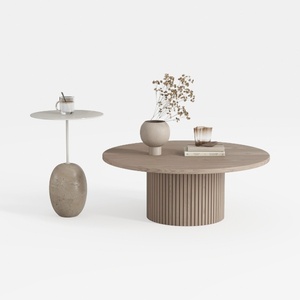

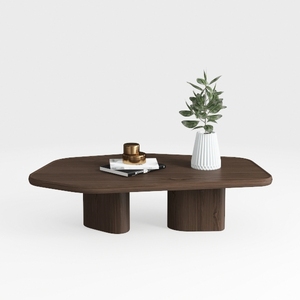
Minimalist Walnut Solid Wood Irregular Coffee Table 3D Model

31.5" Drum Coffee Table Modern Unique Fluted Tea
Homestyler offers an easy-to-use online design tool combined with stunning 3D renderings, inspiring interior projects, and helpful DIY video tutorials—making home design simple and fun for everyone. Explore your creativity and transform your space effortlessly!
Projete agora para LIVRE
































