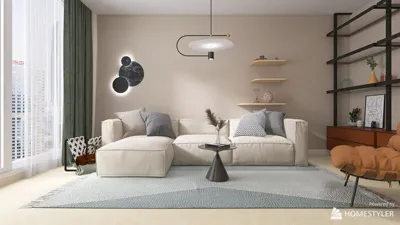


I often find myself amused by a client who once asked me to transform their living room into a Monet masterpiece, featuring soft, drifting blooms on the walls. My initial attempts at a freehand wash nearly ruined a perfectly good sofa until I grasped the importance of planning layers and managing water effectively. For those interested in similar transformations, I invite you to explore my room makeover gallery, which illustrates how a wash can set the mood in a small space.
Creativity often flourishes in small spaces, and one of my preferred techniques for enhancing atmosphere without creating clutter is using watercolor wall paint. Below, I've compiled five practical inspirations from actual kitchens, studios, and apartments I've worked on—complete with quick tips, honest trade-offs, and budget insights from my projects.
1. Soft Ombre Accent Wall
What I adore about it: an ombre wash adds depth to the room and creates an illusion of higher ceilings while maintaining a subtle appearance. Typically, I apply the darkest shade near the floor and allow the pigment to fade toward the ceiling. This technique mimics light rather than traditional color blocking.
Benefits: it’s low-cost, easy to refresh, and forgiving of imperfect brush strokes. The challenge lies in achieving a seamless gradation, which requires practice—work in horizontal bands and blend while the paint is still wet. Budget tip: combine leftover wall paint with a glazing medium to stretch your resources further.
save pin
2. Watercolor Kitchen Backsplash
Why I advocate for it: a softly painted backsplash serves as a modern alternative to tiles in compact kitchens. It’s easy to change and visually lightweight. In one project, I used a pale sage wash behind open shelving; it concealed splatters better than traditional white and gave the entire countertop a warmer feel.
Practical advice: safeguard counters with a clear, wipeable topcoat in areas prone to splashes. Additionally, if you’re seeking layout inspiration for small cooking spaces, refer to my kitchen flow sketches, which illustrate how color and functionality work in tandem in compact designs.
save pin
3. Botanical Wash Mural
Why it’s effective: soft leaf silhouettes created with layered washes resemble artwork without overwhelming a room. In one studio, I depicted oversized eucalyptus leaves with gentle washes over a neutral background, eliminating the need for extra wall art entirely.
Advantages: it introduces organic texture and pairs wonderfully with natural wood elements. Small hurdle: achieving fine details requires a steady hand and multiple thin layers; consider using stencils for quicker, uniform shapes.
save pin
4. Monochrome Mood Corners
Reasons I favor it: utilizing one color in various intensities for a reading nook or entryway creates a curated and serene atmosphere. In one apartment project, I employed three shades of dusty blue—darker at the base, lighter above—to fashion a cozy space without bulky furniture.
Trade-offs: a monochrome palette may reveal brush strokes more prominently, so you can either embrace a handmade aesthetic or opt for a sponge to achieve a softer texture. Pro tip: coordinate with a matte sealer to preserve the softness of the watercolor finish.
save pin
5. Ceiling Wash or Subtle Stained-Glass Effect
Why consider it: a watery sky on the ceiling can visually elevate small rooms, while faint geometric washes can create a stained-glass effect without the need for heavy installation. I applied a ceiling wash in a studio bedroom, and my clients reported feeling as if they were sleeping outdoors.
Practical note: ceilings tend to be forgiving for experimental washes—just make sure to plan the placement of lighting. If you’re looking to experiment digitally before making a commitment, I often utilize tools like Homestyler to create quick mockups, allowing me to visualize how light and color interact in a photographed space.
save pin
FAQ
Q1: Is watercolor wall paint suitable for rental apartments?
I frequently suggest using temporary watercolor techniques—thin washes with a removable primer underneath can be easier to remove at the end of your lease. Opt for low-VOC paints and a gentle remover to simplify the process.
Q2: Which finishes complement watercolor washes best?
A matte or low-sheen varnish maintains the soft watercolor effect; a glossy finish intensifies color and highlights brush marks. Always test a small patch to ensure the sheen aligns with your preferences.
Q3: How can I protect a watercolor backsplash from cooking splashes?
Seal the painted surfaces with a clear, wipeable polyurethane or a water-based acrylic topcoat rated for kitchen use. Reapplying every few years will help keep the finish looking fresh.
Q4: Is it possible to create a watercolor ceiling without professional assistance?
Absolutely—work in small sections, maintain soft brushes, and use diluted paint. Practicing on a board will help build your confidence before you tackle the ceiling.
Q5: What types of paints are safest for indoor watercolor walls?
Select low-VOC or zero-VOC interior paints, specifically labeled for wall applications. For health guidance on indoor air quality and VOCs, consult the EPA’s guidelines.
Q6: What is the cost of creating a watercolor accent wall?
Costs can vary based on size and finish, but most DIY watercolor washes can be accomplished for under $100 in materials for a small wall. Hiring a professional will increase costs due to labor—expect to pay more for custom murals.
Q7: Is layering metallics over watercolor washes possible?
Yes—light metallic glazes can be sparingly applied to catch light without overwhelming the wash. Just ensure that the base layers are fully cured before adding metallics.
Q8: How do I plan colors in irregularly shaped spaces?
I quickly sketch mockups and test swatches on foam core to evaluate light at different times of the day. Photographing the samples under your actual lighting helps in making informed decisions before committing to an entire wall.
save pin
Discover the ease of home design with Homestyler! This user-friendly platform offers an intuitive online design tool, stunning 3D renderings, and a wealth of design projects. Plus, with informative video tutorials, you’ll have everything you need to transform your space into your dream home effortlessly!
Projete agora para LIVRE
































