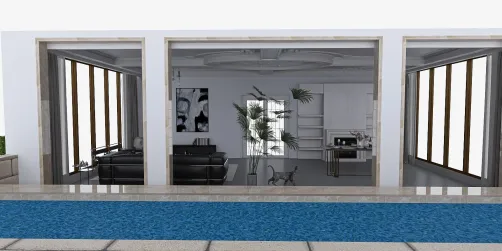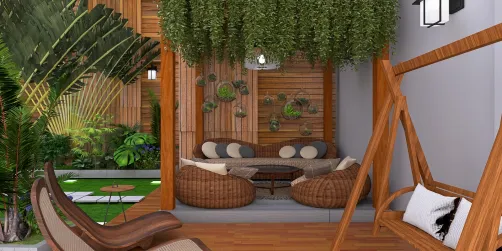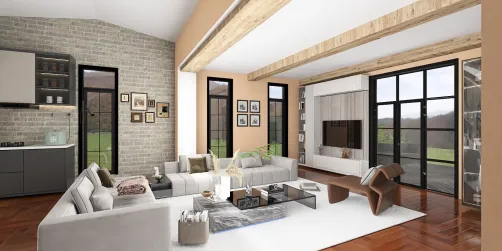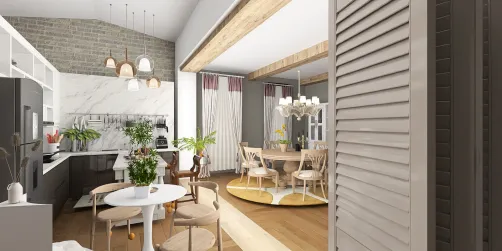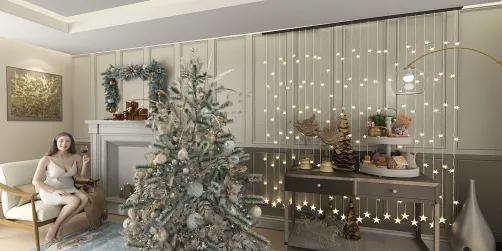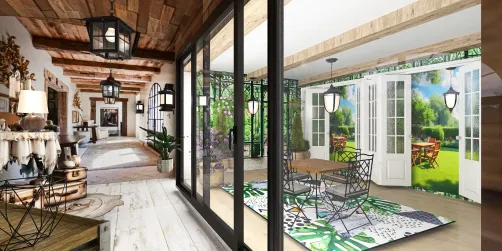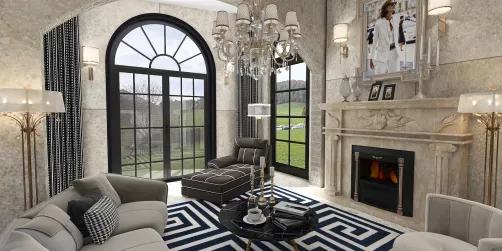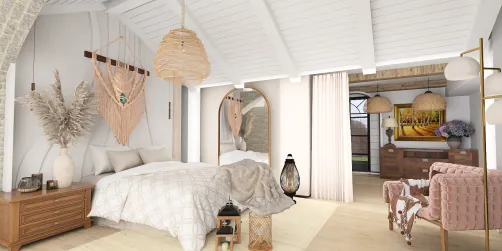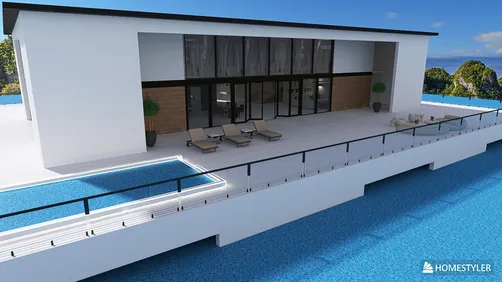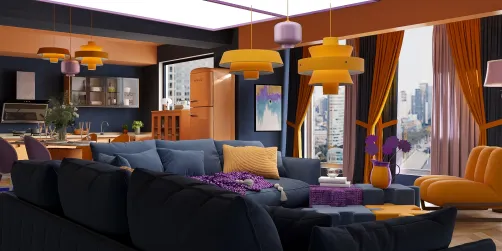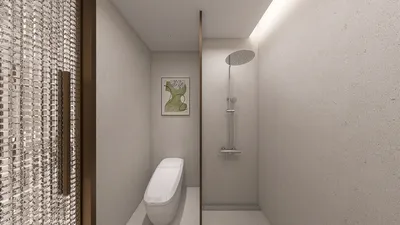
As we look ahead, I can envision how a west-facing 40x60 G+2 layout will transform daily living patterns while effectively managing heat gain, storage variability, and circulation issues. My spatial reasoning toolkit serves as a subtle yet powerful engine behind my designs. According to AIA, Americans spend almost 90% of their time inside; hence, it is crucial for my clients' west facades to function as adaptive skins. This 40x60 G+2 west facing house plan is not merely about dimensions, but about rethinking lifestyle choices.
Level 1: Thermal Lobby + Split Spine
Design Concept: A shaded thermal lobby acts as a barrier against the intense west sun, complemented by a split spine that directs living spaces to the north while placing dining areas to the south—this design is tailored to withstand future heat fluctuations and utility challenges.
Flow: Entry → vestibule → living space → kitchen/dining area → stair core → backyard; this systematically arranged sequence helps manage thermal loads before they impact key areas of the home.
Sightlines: With layered perspectives—opaque to the west, softened in the middle, and open to the east—design priorities resemble a user interface hierarchy: ensuring privacy first, allowing daylight second, and addressing views last.
Storage: A pantry designed with wall depth and bench storage at the entry point; modular bays under the stairs serve as memory caches for seasonal items and outdoor gear.
Furniture Arrangement: An elegant 84" sofa, 36" traffic lanes, and a 9' dining table with compact chairs create a harmonious setting, ensuring that everyday life can unfold without disruption.
Verdict: Over the span of five years, this ground level setup stabilizes environmental conditions and daily routines—reducing glare and enhancing living quality, allowing for a more engaged lifestyle.
save pinOpen in 3D Planner Processing...
Level 2: Adaptive Suite Grid
Design Concept: This level includes a set of three rooms (main suite + flexible space + child/guest room) that adapt to remote work needs and accommodate multi-generational living, much like updating software in response to evolving requirements.
Flow: Stair → landing hub → individual rooms branch out → baths at a thermal-neutral center; the movement reads like a well-organized set of instructions.
Sightlines: The west side is protected by deep overhangs; the east side allows for bright mornings while lateral views provide clarity—calm and digestible as status bars.
Storage: Double-tier closets featuring overhead compartments, hallway linen towers, and drawers beneath beds—organizing layers that help prevent clutter from accumulating.
Furniture Arrangement: Rooms are outfitted with a queen bed (60x80), desks (30" depth), and wardrobes (24" width); these spatial allowances promote simultaneous sleep, work, and care duties.
Verdict: This level serves as a daily operating system—flexible, secure, and accommodating—prepared for hybrid work and the dynamics of family life.
save pinOpen in 3D Planner Processing...
Level 3: Sky Studio + Terrace Field
Design Concept: A light-filled studio with a west-facing terrace transforms the rooftop into an area for energy optimization and wellness, focusing on altitude and microclimate management.
Flow: Stair → landing → studio → wet bar → terrace; this path is direct and efficient, seamlessly moving from concentration to relaxation.
Sightlines: The design incorporates west screens to frame sunsets without unwanted heat; the north and east edges function as low-latency visual conduits for work efficiency.
Storage: Incorporating built-in credenzas, vertical wall systems for tools, and terrace storage boxes—this storage caters to creative needs and outdoor activities.
Furniture Arrangement: A 72" workbench, modular lounge seating at 30" height, and planters that act as soft dividers create a workspace where nature and productivity coexist harmoniously.
Verdict: After five years, this upper level evolves into a rejuvenation center—quiet strength, leisurely evenings, and resilient routines defined by spatial design.
save pinOpen in 3D Planner Processing...
Final Thoughts
In the context of a west-facing house plan measuring 40x60 G+2, the orientation should not be considered a limitation, but rather a guiding framework for a more intelligent living experience. With shaded facades, split layouts, and adaptable suite grids, the home resembles a living operating system that absorbs excess heat while providing tranquility. Long-term requirements such as accommodating multiple generations and hybrid work models are effectively organized within these meticulous spatial designs. From my perspective, the most advanced homes of the future won’t necessarily be larger; they will be designed with greater intention.

Homestyler is an ideal platform for anyone looking to redesign their space. With its user-friendly online design tool, impressive 3D renderings, and a wealth of DIY video tutorials, transforming your home into your dream space has never been easier. Unleash your creativity today!