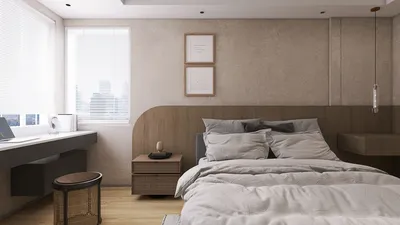


Wood stump tables have become a favored choice in contemporary interior and landscape design, serving as natural accent furniture that can act as side tables, stools, or artistic décor pieces. Designers often incorporate them to bring organic textures, versatile seating options, and striking visual contrasts to both rustic and modern environments, making each space feel grounded and unique through the use of natural materials like those available in Homestyler's design toolkit.
Since no two wood stumps are identical, these tables function as practical art forms that seamlessly blend indoor areas with the aesthetics of the outdoors, highlighting nature's own craftsmanship.
Historically, wood stump tables were mainly found in countryside homes and cabins. However, over the last decade, their appeal has expanded to stylish urban lofts, boutique hotels, cafés, and meticulously designed outdoor patios. In my experience with numerous residential projects, clients seek distinctive pieces that add character beyond conventional manufactured furniture. Wood stump tables satisfy this desire by offering a natural, imperfect element that visually anchors a room.
Design professionals value the multifunctionality of stump tables. Depending on the space layout, a stump can serve as a plant stand, side table, stool, or sculptural feature. When configuring room arrangements, I often experiment by placing organic-shaped furniture using digital planning tools akin to Homestyler, which help visualize spatial dynamics and optimize furniture placement. These stump tables frequently become the surprise piece that completes a design.
This article explores how designers utilize wood stump tables across various settings—from indoor living spaces and patios to commercial hospitality venues—and delves into the reasoning behind their rising popularity and practicality in design.
The trend toward natural wood furnishings is gaining traction because it introduces warmth and rich textures often missing from modern synthetic materials. Interior design has gradually steered away from overly polished and industrial finishes toward tactile, inviting environments using materials like linen, raw stone, clay, and especially natural wood.
Wood stump tables perfectly embody this shift. Unlike mass-produced goods, each stump table showcases unique grain patterns, natural cracks, and growth rings, leading designers to regard them more as sculptural artworks than mere furniture pieces.
Renowned design publications often feature interiors where raw wood elements provide contrast against sleek materials such as concrete, glass, and steel, creating a harmonious balance that avoids visual monotony. Remarkably, single-piece hardwood stump tables also offer superior durability compared to lightweight side tables, making them a long-lasting furnishing option.
Contrary to the assumption that stump tables belong solely in rustic settings, these pieces are increasingly used in modern interiors to disrupt uniformity and add tactile visual relief. In cabin-like rooms, they reinforce natural themes, whereas in modern designs they introduce compelling contrast.
Designers frequently test wood stump table placements through digital modeling tools similar to Homestyler’s 3D floor planners, which assist in evaluating furniture scale and its impact on overall room harmony, ensuring the table complements without overpowering the space.
In outdoor landscape design, stump tables are prized for their durability and ability to harmonize with patios and gardens. Unlike plastic or metallic furniture, stump tables naturally blend into their surroundings without competing visually with the landscape. Their stability in windy conditions and capacity to weather gracefully over time make them an excellent choice for outdoor setups.
When styling stump tables indoors, interior experts recommend minimal decoration to highlight the piece’s natural wood grain and organic form. Overaccessorizing can detract from their visual weight and intrinsic beauty. Common styling includes a simple vase, a small plant, or subtle decorative elements, accentuating their authenticity and tactile appeal.
In commercial spaces such as cafes, boutique hotels, and restaurants, stump tables help cultivate warm, handcrafted atmospheres that guests find memorable. This use reflects a broader hospitality trend emphasizing distinctive, authentic interiors that stand apart from generic designs. Natural materials contribute significantly to a relaxed social vibe, especially in coffee shops and similar venues.
Looking ahead, furniture design is expected to favor sustainable, naturally sourced materials over synthetic options. Solid wood, especially reclaimed or salvaged timber, aligns with growing consumer awareness surrounding environmental impact and ethical sourcing. Wood stump tables fit naturally into these evolving trends, often paired with neutral color schemes, textured textiles, and soft, ambient lighting to create serene, grounded interiors. Digital visualization tools like Homestyler enable homeowners and designers alike to preview these natural elements virtually before committing to installation.
In summary, wood stump tables provide a unique blend of functional use and organic character ideal for both indoor and outdoor settings. Their singular appearance, robustness, and sculptural qualities make them one of the most versatile accent furniture options available today.
Frequently Asked Questions: Are wood stump tables durable? Absolutely. Made from solid hardwoods, they tend to be heavier and more robust than mass-produced side tables. Do stump tables suit modern homes? Yes, they add an appealing natural contrast to contemporary materials like concrete and metal. What is the ideal height for a stump side table? Generally, 16 to 22 inches tall to align with sofa arms. Can stump tables be used outdoors? Yes, especially when treated or sealed to withstand weather. Are they costly? Prices vary based on wood species, size, and finish, with handcrafted pieces typically priced higher. Which décor styles complement stump tables? Rustic, Scandinavian, organic modern, and minimalist styles pair particularly well. How do designers typically style these tables? By keeping decorations minimal, often featuring a vase or small greenery. Are stump tables eco-friendly? They can be if made from reclaimed or salvaged wood.


Homestyler offers an easy-to-use online design tool with stunning 3D renderings, inspiring design projects, and helpful DIY video tutorials—perfect for bringing your home decoration ideas to life effortlessly.
Projete agora para LIVRE
































