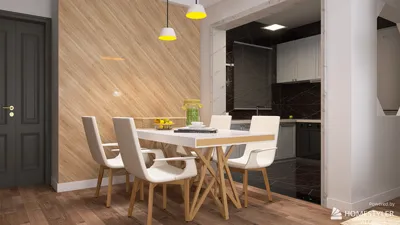


For more than ten years, I have executed and designed wood wall paneling in residences, hospitality venues, and adaptable office spaces, and the remarkable transformation it brings never ceases to amaze. Beyond mere appearance, the proper profile, alignment, and finish of panels significantly influence acoustics, the perception of room size, and overall comfort. When walls are viewed as vertical canvases—harmonized in rhythm, texture, and illumination—it results in an environment that feels cohesive rather than simply refurbished. Homestyler can be a helpful tool in visualizing these changes in your space.
Excellent design must also deliver genuine performance. In open-concept environments, noise levels can be a prevalent issue; research from Steelcase indicates that 74% of employees are troubled by noise in their work settings, which adversely affects both concentration and overall contentment. Wood paneling, particularly slatted and grooved styles, enhances sound diffusion and absorption, thereby creating a serene atmosphere when used alongside soft furnishings and carefully considered lighting. In terms of well-being, the WELL v2 framework emphasizes the importance of materials, acoustics, and lighting quality, as they contribute significantly to comfort and cognitive function; employing low-VOC finishes and glare-controlled lighting around textured walls can help achieve these objectives.
Planning Your Paneling Scope and Visual Rhythm
My approach begins with proportionality. If the wall serves as the primary focal point of the room, strive for a balanced rhythm: positioning panels or battens apart by 1.25–2 inches creates a palatable cadence, reducing visual strain in most living areas. In smaller spaces, closer panel spacing can enhance richness; in larger rooms, expand to 2–3 inches to prevent clutter. Ensure primary sightlines remain unencumbered by busy points of intersection—like doors, windows, and electrical outlets—so the overall pattern appears clean. If you're arranging furniture against a feature wall, using an interior layout planner such as Homestyler can assist in visualizing the spacing of panels around furniture like consoles, televisions, and shelves.
Choosing the Ideal Wood Species and Finish
The selection of materials establishes the ambiance. Oak offers a neutral grain that complements both cool and warm palettes; ash delivers a modern look with a lighter tone; walnut imparts depth and warmth. For economic builds or rental properties, paint-grade MDF panels finished with quality primer and enamel can achieve a sophisticated look if edges are sharp. Sustainability is key—opt for FSC-certified options and low-VOC finishes to minimize indoor air pollutants in line with WELL material standards. A satin finish typically strikes a balance between light scattering and maintenance; high-gloss finishes, on the other hand, can accentuate any surface imperfections.
Understanding Color Psychology and Room Perception
Colors interact uniquely with texture. An overview from Verywell Mind on color psychology highlights that warm shades can create inviting atmospheres, while cooler tones foster tranquility. When applied to wood, warm mid-tones (like tan, honey, and light walnut) can make living rooms feel sociable, whereas desaturated cools (such as fog gray, driftwood, and ash) can enhance focus areas. Vertical battens can visually extend height, whereas horizontal shiplap can widen narrow rooms. In spaces with lower ceilings, apply panels to the lower two-thirds and cap them with a slim rail to reduce visual clutter at eye level while allowing the upper wall to remain open.
Lighting: Showcasing Texture Without Glare
Texture thrives under proper lighting. I adhere to IES guidelines for ambient lighting in living areas, aiming for 100–300 lux, with task zones reaching up to 500 lux. Using wall grazing or gentle washing techniques can highlight the wood grain without harsh streaks. Position linear LED grazers approximately 6–12 inches from the wall to test angles; if positioned too shallow, the lighting can become distracting, while steep angles can flatten the texture. Maintain color temperatures between 2700–3000K for a cozy residential feel; in work spaces, a range of 3000–3500K can enhance contrast. To mitigate glare, incorporate diffusers or indirect lighting to avoid hotspots on glossy surfaces.
Acoustic Comfort: Utilizing Slats, Backers, and Soft Pairings
While wood alone may not dampen noise, intelligent layering certainly can. Slatted panels placed over an acoustic felt backing absorb mid-to-high frequency sounds that are common in everyday environments. In living rooms, pairing paneling with a plush rug and upholstered furniture can further reduce echo; in studios, flanking the feature wall with soft drapes or bookshelves can disrupt reflective surfaces. I prefer to avoid perfectly symmetrical designs in noise-sensitive spaces; slight variations in slat widths can enhance sound diffusion subtly.
Layout and Installation Strategy
Begin by dry-fitting your initial course and ensuring that the starting reference point is at eye level. If the ceiling or floor is uneven, establish a true reference line using a laser and make precise cuts to hide any irregularities. For lightweight panels, I typically use construction adhesive along with pin nails; when working with heavier hardwoods, secure them to studs using mechanical fastenings and pre-drill to prevent splitting. In cases where outlets interrupt the design, adjust panel joints so that covers align centrally with a single plank, or create a tidy reveal frame around them. If the wall will support a TV or artwork, leave a cable trough behind the panels for easy access and maintenance. Prior to cutting, sketch the wall using an interior layout planner like Homestyler to visualize the arrangement of panels around doors and cabinetry.
Details: Joints, Edges, and Profiles
Exceptional paneling is all in the details. A micro-bevel (1–2 mm) can conceal minor alignment discrepancies and enhance the shadow line. For vertical battens, ensure returns at outside corners are sharp—miter, glue, and clamp until they cure. When it comes to baseboards, either remove and reattach them over the finished panels for a seamless look, or utilize a slim plinth to create a transition. If the design requires cable management or LED strips, carve channels on the reverse of slats and allow for ventilation gaps to prevent heat accumulation.
Finishes and Maintenance
Properly sealed wood deters dust and finger smudges. I favor hardwax oils for their natural appearance and ease of repair—spot sand and re-oil where necessary. In high-traffic areas or children’s rooms, using a robust waterborne polyurethane can guard against scuffs. Regular maintenance involves dusting with a microfiber cloth; for tougher stains, utilize a gentle, non-ammonia cleaner. Should the panels be painted, keep a labeled touch-up jar handy for quick fixes after moving furniture around.
Budget and Phasing
DIY paneling is adaptable in scale. Initiate with a single accent wall and gradually expand as your color scheme is refined. Costs can vary significantly depending on the species and profile; MDF shiplap is budget-friendly, while solid walnut slats can escalate in price quickly. Staging the project can help lessen disruption: allocate day one for layout and cuts, day two for installation, and day three for finishing and light alignment. Be sure to include time to test light angles at night—textures will appear differently after dark.
Ideal Spaces for Paneling
Entryways, TV walls, dining areas, and home offices are prime candidates for wood paneling. In bedrooms, having paneling behind the headboard can create a serene focal point; opt for restrained patterns to minimize visual chaos. In compact apartments, a single textured wall can effectively substitute heavy decor while still making a statement.
Avoiding Common Pitfalls
Neglecting to establish a level line, overlooking outlet alignment, and placing glossy finishes directly under downlights are frequent mistakes I observe. Another common error is overcomplicating the pattern in smaller spaces. Strive for clarity; allow texture and proportion to define your design.
Frequently Asked Questions
Paint-grade MDF shiplap or beadboard with tongue-and-groove edges can be installed quickly and effectively conceals minor alignment errors. Use a laser level to ensure you start from a true datum line.
Allow boards to acclimate for 48–72 hours in the intended location, seal all surfaces (including backs), and fasten them to studs or a plywood backing. Maintain stable humidity whenever possible.
Yes, particularly when combined with sound absorption materials. Slatted panels over felt can diminish mid-to-high frequency echoes; pairing them with rugs and upholstered items greatly reduces sound reflection in typical living areas.
Oak and ash provide impressive durability and a versatile grain pattern at reasonable costs. For tighter budgets, high-quality MDF with durable paint delivers a clean, modern aesthetic.
Utilize wall grazing combined with diffused LED strips, positioning them 6–12 inches from the surface, with a color temperature setting of 2700–3000K for living spaces. Test the angles carefully to avoid banding and consider adding dimming options for more control.
Vertical battens can create an illusion of increased height; horizontal shiplap can widen a slender room. Select based on the dimension you wish to emphasize.
Plan any cutouts ahead of installation. Center electrical plates within a single panel or frame them neatly with reveals. Maintain alignment at junctions to keep the panel design cohesive and calm.
Low-VOC waterborne polyurethanes or hardwax oils are solid choices. Ensure product certifications are checked, and ventilate during application, in line with healthy material guidelines.
Absolutely. Create channels for strips, use aluminum profiles for heat management, and ensure maintenance access is simple. Keep transformers well-ventilated and accessible.
Costs depend on the square footage and the complexity of the profile. MDF options are economical, while solid hardwoods can be pricier. Break the project into phases: layout, installation, finishing, and lighting adjustments to manage workloads.
Dense, dark patterns can make a space feel smaller. Counterbalance with lighter tones, controlled rhythms, and sufficient ambient lighting to maintain an open feel.
A high-quality enamel or hybrid acrylic-alkyd paint offers robust protection along with smooth leveling. Start with a sandable primer for clean edges.
Homestyler is your go-to online home design platform, perfect for bringing your interior dreams to life. With its user-friendly design tool, stunning 3D renderings, a wealth of design projects, and helpful video tutorials, you can effortlessly create and visualize your ideal space—no experience needed!
Projete agora para LIVRE
































