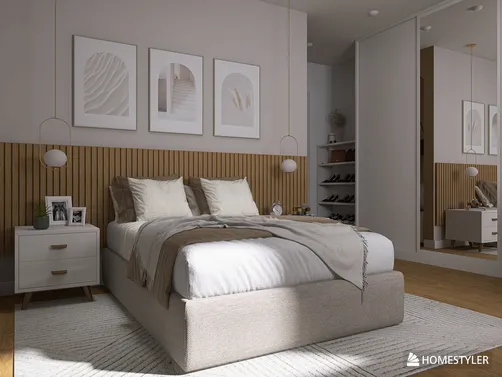
Modern Organic 7
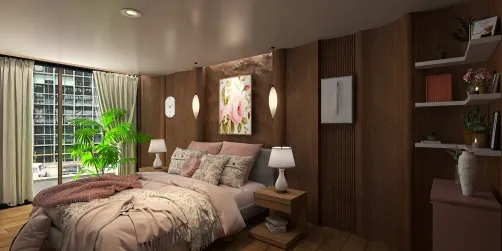
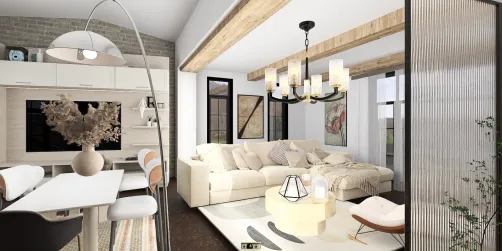
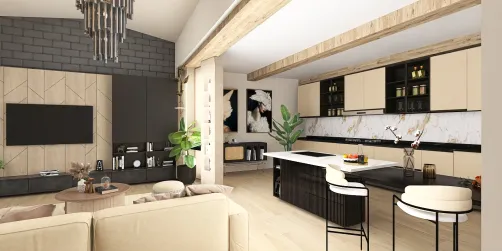
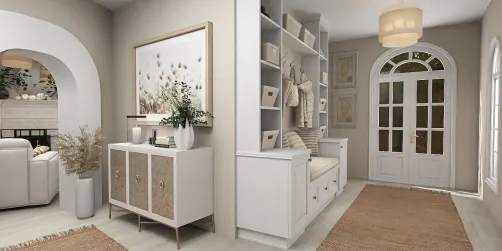
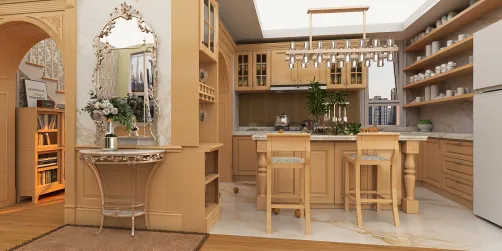
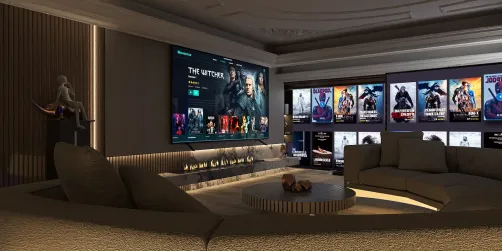
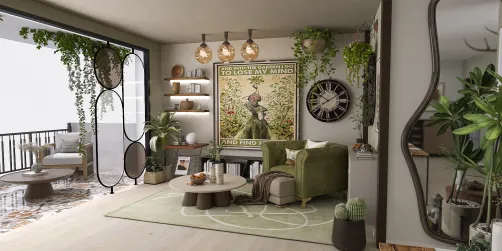
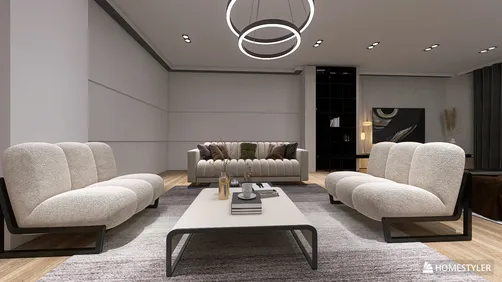
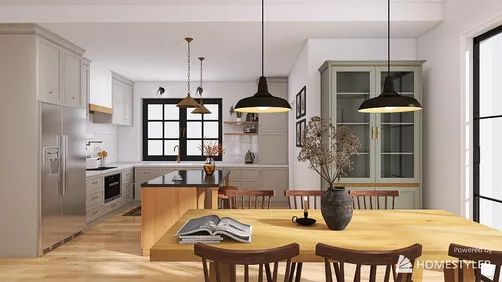
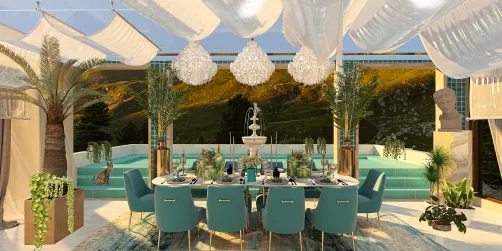
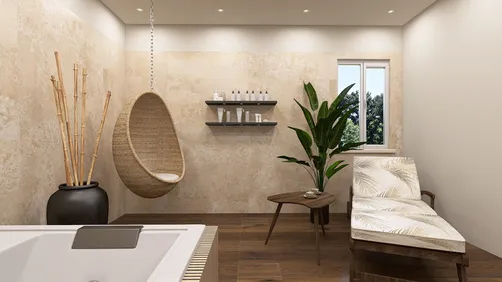
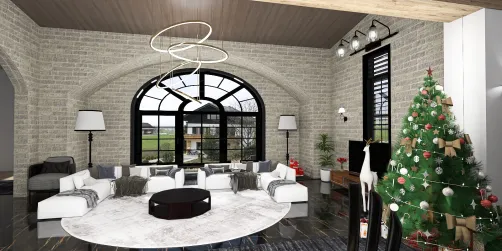
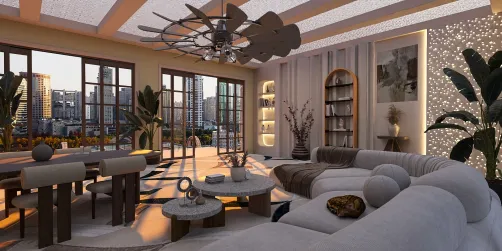
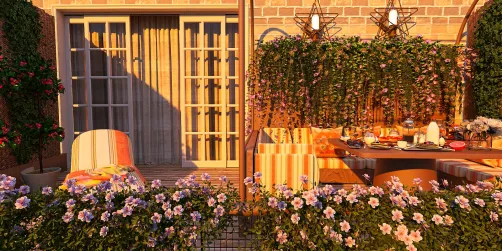
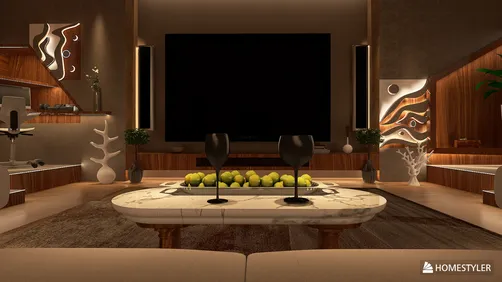
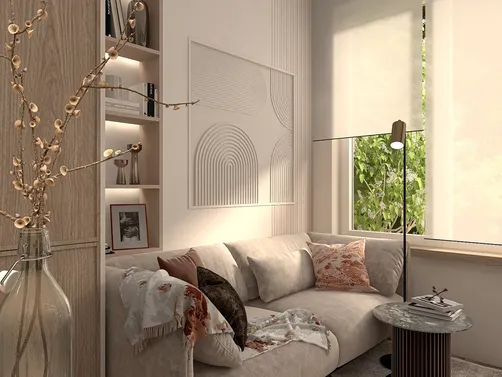
Organic Modern Interior Design: Harmonizing Nature and Modern Design Modern Organic Design is where the minimalistic look of modern design harmonizes with nature. This look combines the clean lines of modern design with natural materials, such as wood, stone, live-edge tables, reclaimed wood, plants, soft-textured materials, aged metal finishes, and other organic elements. The overall feeling is one of tranquility, sophistication, and comfort. This artistic look requires the expertise of a professional interior designer due to the complexity of blending the various elements, as well as the placement and balance of these components. Each piece needs to blend in and stand on its own. Color Palette of Neutrals Organic Modern employs a warm, neutral color palette inspired by natural colors, including beige, brown, cream, rust, and off-white. Mossy green makes a great accent color due to its natural presence. Think of blending the outside with the inside. This style has a serene and soothing appearance, but still requires finishing touches to add interest, such as plants, artwork, and accents. Nothing brings the outside in more than plants. Use fewer, but larger, pieces of artwork and accents, keeping in mind the beauty of the natural world. Avoid using a multitude of small accent items. This will give you a cluttered look. Large windows are preferred to help blend the indoor and outdoor spaces. You can also add interest with accents of colors, such as moss green or dark brown. Both are colors of nature. Texture is another way to add interest to your space. Nubby fabric, textured rugs, and aged wood ceiling beams are good choices. Is Organic Modern Style here to stay? Yes, most definitely. This is not a fad. It is based on a design movement from the mid-20th century, influenced by the works of architects such as Frank Lloyd Wright and Charles Eames. They sought to create living environments that combined modern principles with natural forms.
Organic Modern Interior Design: Harmonizing Nature and Modern Design Modern Organic Design is where the minimalistic look of modern design harmonizes with nature. This look combines the clean lines of modern design with natural materials, such as wood, stone, live-edge tables, reclaimed wood, plants, soft-textured materials, aged metal finishes, and other organic elements. The overall feeling is one of tranquility, sophistication, and comfort. This artistic look requires the expertise of a professional interior designer due to the complexity of blending the various elements, as well as the placement and balance of these components. Each piece needs to blend in and stand on its own. Color Palette of Neutrals Organic Modern employs a warm, neutral color palette inspired by natural colors, including beige, brown, cream, rust, and off-white. Mossy green makes a great accent color due to its natural presence. Think of blending the outside with the inside. This style has a serene and soothing appearance, but still requires finishing touches to add interest, such as plants, artwork, and accents. Nothing brings the outside in more than plants. Use fewer, but larger, pieces of artwork and accents, keeping in mind the beauty of the natural world. Avoid using a multitude of small accent items. This will give you a cluttered look. Large windows are preferred to help blend the indoor and outdoor spaces. You can also add interest with accents of colors, such as moss green or dark brown. Both are colors of nature. Texture is another way to add interest to your space. Nubby fabric, textured rugs, and aged wood ceiling beams are good choices. Is Organic Modern Style here to stay? Yes, most definitely. This is not a fad. It is based on a design movement from the mid-20th century, influenced by the works of architects such as Frank Lloyd Wright and Charles Eames. They sought to create living environments that combined modern principles with natural forms.

Mais designs por Michael Foran
Ver mais































![[For dear Adelina madee 🤎]](https://hs-designs.homestyler.com/production/design/images/8a07e535-9cbc-4132-a42a-5932dac3a112/1706972286037.jpg?x-oss-process=image/resize,w_502,m_mfit/format,webp)