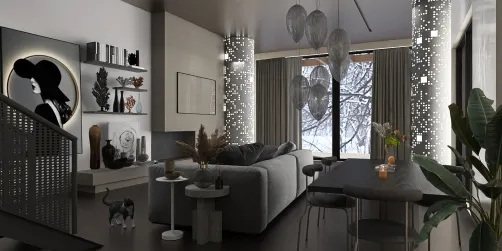
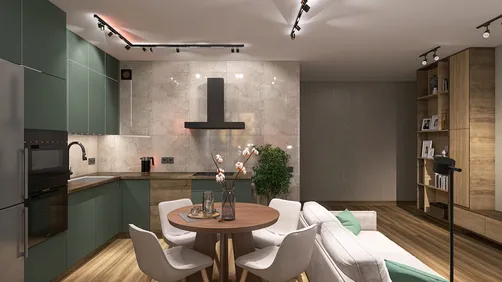
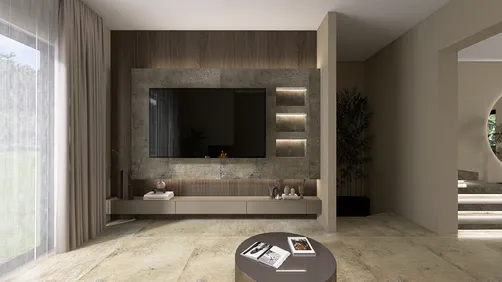
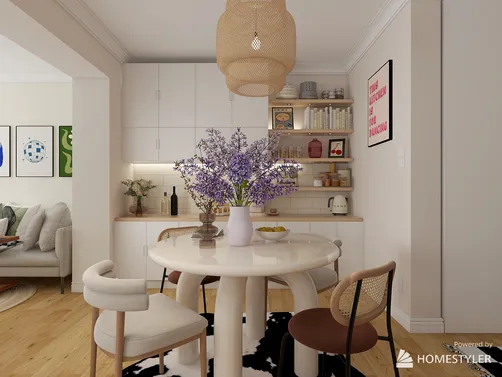
In recent years, mauve has emerged as a subtle yet striking choice in interior design, radiating warmth and tranquility while remaining highly adaptable. Having revamped numerous small apartments and inviting living spaces, I’ve learned that cozy areas often inspire greater imagination. This article shares ten creative living room concepts featuring mauve, drawing from my own design experiences along with professional guidance.
1. Sleek Minimalist Mauve Walls
My Experience: On one occasion, I worked on a compact 28m² studio where we opted for soft matte mauve walls, creating an ambiance that felt both elegant and expansive. By minimizing clutter and focusing on clean lines, we enhanced the visual space significantly.
Advantages: Minimalist mauve walls harmonize beautifully with natural light, giving the illusion of a larger room. The Pantone Color Institute suggests that muted shades like mauve foster a serene environment, which is ideal for spaces that serve multiple functions.
Disadvantages: Bold furniture colors may clash with mauve walls, leading to a visual competition. Additionally, selecting an incorrect shade of mauve can result in a washed-out appearance.
Advice: Complement mauve walls with neutral decor elements and a simple rug. Discover how minimalist mauve arrangements can shape your room layout.
2. Statement Velvet Mauve Sofa
My Experience: In a recent loft endeavor, the client desired a focal feature, so we chose a striking velvet mauve sofa. It became the living room’s centerpiece without overwhelming the overall design.
Advantages: A mauve sofa introduces immediate charisma and seamlessly fits into both warm and cool color schemes. The velvet fabric also enhances depth under natural light.
Disadvantages: Maintaining velvet can be challenging, as it easily attracts dust and pet hair. Furthermore, mauve upholstery may fade with excessive sun exposure.
3. Brass Accents Pairing with Mauve
My Experience: One of my favorite design strategies is combining mauve with brass, as demonstrated in a penthouse makeover I supervised. The brass complemented the mauve hues and reflected ambient light beautifully.
Advantages: Brass accents elevate the aesthetic of mauve, bringing a sophisticated touch to the decor. This pairing works particularly well within art deco or modern vintage styles.
Disadvantages: An excess of brass can create a formal atmosphere that feels outdated. Regular polishing is required to prevent tarnishing.
4. Textured Layers in Mauve
My Experience: I frequently experiment with various mauve textures, such as knitted throws, linen cushions, and plush shag rugs to infuse depth into a monochromatic design.
Advantages: Layering different textures prevents a single-color palette from appearing flat while enhancing tactile comfort. Architectural Digest asserts that mixing textures is vital for achieving cozy chic interiors.
Disadvantages: It requires careful selection to avoid clashing aesthetics. Utilizing too many fabrics can trap dust.
5. Mauve Art Gallery Wall
My Experience: For a compact condo living room, we curated a gallery wall of artwork incorporating mauve tones, which beautifully unified the space.
Advantages: Incorporating art with mauve accents subtly grounds the color story without overwhelming the senses. It keeps the walls lively and engaging.
Disadvantages: Without careful spacing and frame size consideration, the arrangement may appear cluttered.
Advice: Opt for frames in black or gold to contrast the gentle nature of mauve.
6. Mauve Area Rug as Centerpiece
My Experience: In one instance, we replaced a beige rug with a large mauve version, effectively defining the seating area instantly.
Advantages: Area rugs delineate spaces in open-concept layouts and serve as a visual anchor for furniture arrangements. Mauve pairs exceptionally well with gray and cream.
Disadvantages: Color perception can alter with varying lighting. Stains on lighter shades may be more apparent.
7. Bold Mauve and Charcoal Contrast
My Experience: In a media wall project, pairing mauve walls with charcoal cabinetry produced a balanced and contemporary aesthetic.
Advantages: The striking contrast between soft mauve and deep charcoal prevents the space from feeling overly sweet.
Disadvantages: An abundance of charcoal in a dimly lit small room can create a cramped sensation.
Example: This method mirrors contrasting color layouts that define distinct areas in compact living spaces.
8. Mauve Draperies for Gentle Lighting
My Experience: During a lakeside cabin redesign, we employed light-filtering mauve curtains to create an ethereal glow reminiscent of sunsets indoors.
Advantages: Mauve curtains can soften harsh light, enhancing both skin tones and room aesthetics.
Disadvantages: Selecting the right fabric is essential, as some materials are prone to fading from UV rays.
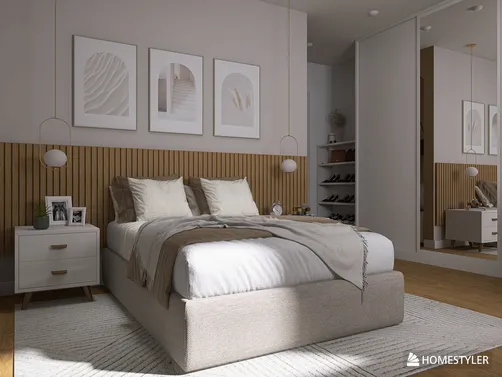
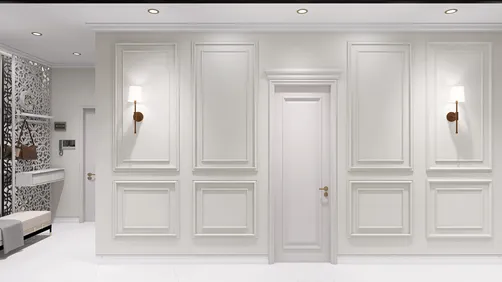
9. Mauve Accent Wall with Panels
My Experience: We added vertical wood paneling painted in a muted mauve in a small urban living room, creating an illusion of greater height.
Advantages: Paneling brings dimension and enhances architectural beauty. The understated nature of mauve prevents the area from feeling heavy.
Disadvantages: The installation can be labor-intensive and may exceed budget constraints.
10. Combining Mauve with Natural Wood
My Experience: For a Nordic-inspired project, pairing mauve walls with light oak furniture added warmth and texture to the setting.
Advantages: Natural wood tones anchor mauve in a timeless manner, perfectly complementing minimalist Scandinavian and Japandi aesthetics.
Disadvantages: Too much wood might alter the color balance towards brown, potentially overshadowing mauve's freshness.
Advice: Explore how the combination of wood and mauve can introduce harmony to both modern and classic interiors.
Conclusion
Designing a mauve living room is not merely a limitation; it's a chance to craft more thoughtful and emotionally resonant spaces. With various elements, from textiles to wall treatments, you can adjust the intensity to fit your preferences. As noted by the American Society of Interior Designers, color psychology significantly impacts how we perceive our homes. Which of these mauve living room ideas with Homestyler will you implement first?
FAQ
1. What shade of mauve is best for a compact living area?
Soft, subdued mauve shades are excellent for small spaces since they provide warmth without overwhelming the area.
2. How can I integrate mauve into a contemporary living space?
Consider using it for an accent wall, in decorative pillows, or as a rug to complement existing modern designs.
3. Does mauve coordinate well with gray furniture?
Yes, mauve and gray create a balanced, sophisticated color scheme.
4. Can mauve be incorporated into a minimalist design?
Certainly! Mauve is ideal for minimalist environments when paired with streamlined lines and a clutter-free layout.
5. Will mauve darken my room?
Generally, lighter and medium mauve shades reflect light well, whereas darker varieties tend to absorb it.
6. How can I make mauve feel less feminine?
Combining it with industrial materials like concrete or deep hues like navy and charcoal can balance its softness.
7. Is mauve a fashionable color for 2024?
As noted by Elle Decor, soft pastels, including mauve, maintain popularity for their calming properties and versatility.
8. What colors complement mauve in Scandinavian interiors?
Light woods, whites, and soft grays pair perfectly — check out our guide on Scandinavian color harmony for more ideas.
Homestyler is your go-to online home design platform! With its user-friendly design tool, stunning 3D renderings, and a wealth of DIY video tutorials, you can effortlessly create and visualize your dream spaces. Dive into a world of creativity and transform your home today!