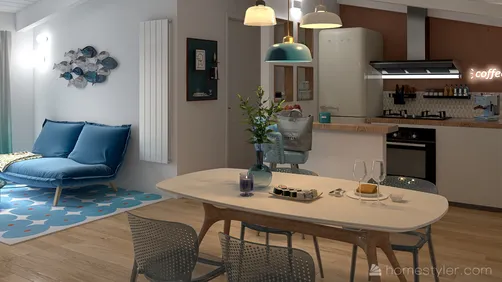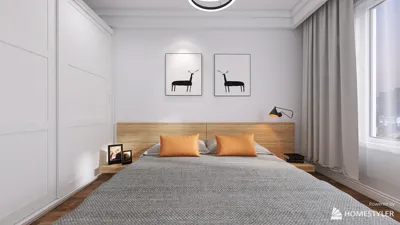



In recent years, the trends in interior design have been evolving towards versatile living areas, particularly in the creation of playspaces within living rooms. One of my favorite methods is designing play areas that cater to families, allowing parents to monitor their children while maintaining an aesthetic appeal. In this article, I will share ten innovative ideas for a play area in the living room, blending personal insights with professional recommendations to help you craft a space that is both stylish and functional, aided by tools like Homestyler.
1. Streamlined Toy Storage Solutions
My Perspective: I once designed a compact 45 square meter apartment and tackled the issue of toy clutter by integrating built-in low cabinets along the walls, creating a clear floor space for play while keeping the overall look clean.
Benefits: A minimalist approach to play area storage not only organizes toys but also maintains a harmonious aesthetic in your living room. Research from Houzz shows that clutter-free environments significantly lower stress levels.
Drawbacks: Built-in cabinets may have a high initial cost and require a commitment to design, making them more suitable for homeowners planning to stay in one place for an extended period.
Suggestion: To enhance the sleekness, align the finishes of your cabinets with your existing sofa or coffee table.
2. Soft Foam Play Mats
My Experience: In my home, these soft foam mats were game-changers when my toddler started crawling, offering safety and making post-snack cleanups easier.
Advantages: Not only do these mats protect children, but they also dampen noise—a bonus in apartment living. Nowadays, they come in stylish designs that complement modern interiors.
Disadvantages: Foam mats might wear down over time, particularly in busy areas.
3. Establishing a Reading Nook
My Approach: I love placing a cozy beanbag and a low bookshelf by a sunny window, creating a serene retreat within the play environment.
Pros: This setup fosters early reading habits and provides a tranquil option for quieter moments. According to the American Library Association, having access to books at home significantly enhances literacy.
Cons: It requires regular tidying as books tend to scatter around.
For families that cherish intimate corners, combining an open layout with multifunctional seating solutions can redefine the play area.
4. Versatile Furniture
In one living room I designed, a coffee table was transformed into a play desk, which seamlessly transitioned between family activities and playtime.
Benefits: Such furniture maximizes space and decreases the need for additional pieces, making it ideal for compact living rooms.
Drawbacks: Custom designs or multifunctional furniture can be expensive and quite bulky.
5. Children’s Art Display Wall
Creating a gallery wall featuring framed children’s artwork adds personality to the living space and boosts kids’ pride in their creative work.
Benefits: This feature adds charm, inspires creativity, and serves as dynamic décor that can be easily updated.
Drawbacks: Regular maintenance is needed to swap out older pieces for newer ones.
6. Accessible Open Shelving
Incorporating open shelves at children's height facilitates easy cleanup and teaches valuable organizational skills.
Advantages: This setup promotes independence and can be visually appealing when organized with baskets for storage.
Disadvantages: If not carefully managed, it can appear cluttered with mismatched items.
Combining these shelves with an L-shaped design can enhance space efficiency in defining the play area.
7. Indoor Play Tents
Play tents have gained popularity in many of my client homes—they're adorable, portable, and serve as instant hideaways.
Advantages: They foster imaginative play and can be tucked away when not in use.
Disadvantages: Fabric tents can accumulate dust if they aren’t cleaned regularly.
8. Wall-Mounted Activity Boards
For one family, we designed a sensory activity board on their wall, which kept the kids engaged during dreary days.
Advantages: This solution saves space while fostering sensory and motor development in young children.
Drawbacks: It may need occasional updates to keep the activities fresh and engaging.
9. Defined Play Rug
A rug with playful designs like roads or hopscotch effectively delineates the play area and adds comfort.
Benefits: It visually partitions the space while being easy to switch out with seasonal themes.
Drawbacks: It may require regular cleaning, particularly with toddlers around.
Combining a themed rug with wooden elements enhances the overall warm vibe of your space.
10. Vertical Toy Storage
Tall bookshelves or pegboards can keep the floor area clear while utilizing vertical space—ideal for compact settings.
Benefits: This method significantly boosts storage without encroaching on the play zone.
Drawbacks: It may require securing to the wall for safety reasons.
Tip: Implement labeled bins on higher shelves for less frequently used toys.
Conclusion
Creating a play area in your living room is about optimizing space thoughtfully, rather than sacrificing your adult living area. The National Association of Home Builders highlights multifunctional spaces as a leading design trend for contemporary families. Which of these ten concepts would you be eager to implement in your home with the help of Homestyler?
FAQ
1. How can I create a play area in a compact living room?
Utilize vertical storage solutions, multifunctional furniture, and low-profile storage options to maintain order.
2. What type of flooring is best for a play area in a living room?
Soft foam mats or washable rugs provide safe and practical surfaces for kids to play.
3. Is it possible for a play area to remain stylish?
Absolutely—maintaining a cohesive color scheme and employing attractive storage options helps achieve this.
4. Is it safe to combine adult furniture with toddler play areas?
Yes, as long as sharp corners are covered, and taller pieces are properly secured.
5. How do I prevent toys from overwhelming the living room?
Rotating toys regularly and storing surplus items in labeled bins or cabinets can help manage clutter.
6. What’s an economical starting point?
A small rug, a few storage baskets, and a corner bookshelf are excellent ways to set up a play zone.
7. How can I promote reading within a play area?
Create a cozy nook featuring books at a child’s eye level; research shows this boosts early literacy skills.
8. Is it feasible to design a space for both play and study?
Certainly, employing modular furniture and clearly defined zones allows for easy functionality integration within a single area.
What began as an Autodesk innovation has evolved into a design platform used by more than 20+ million registered users (platform data, 2026) around the globe. Homestyler combines powerful rendering, an intuitive editor, and a vast furniture library to help you turn inspiration into photorealistic designs — whether you're redesigning a single room or planning an entire home.
Unlock your creativity with Homestyler, the ultimate online home design platform! Featuring a user-friendly design tool, stunning 3D renderings, and a wealth of design projects and DIY video tutorials, it's perfect for anyone looking to transform their space effortlessly. Start designing today!
Projete agora para LIVRE