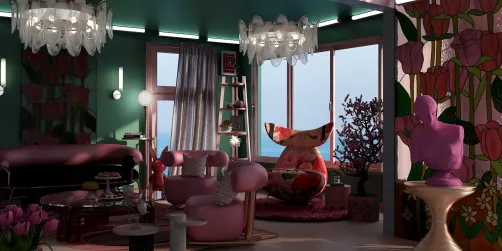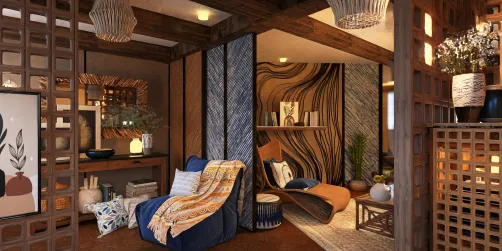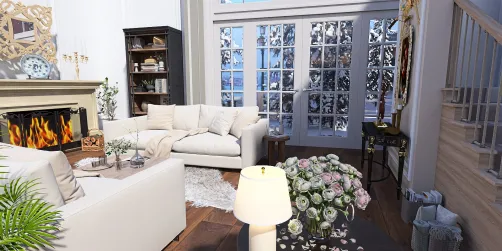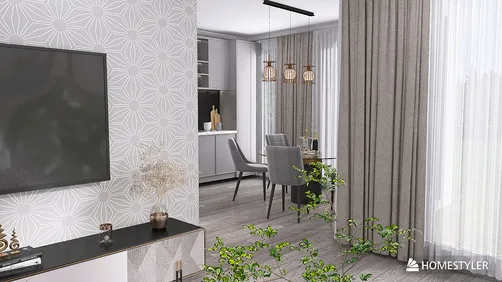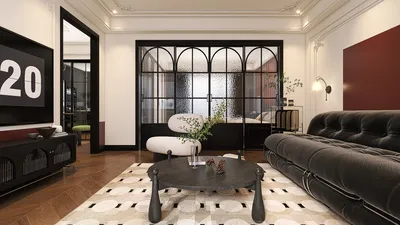
As an experienced interior designer for over ten years, I have witnessed grey evolve from a merely "safe" neutral into one of the most adaptable colors in modern living rooms. Currently, trends lean towards muted shades and layered textures, which can ignite significant creativity, especially in compact spaces. In this article, I will present 10 stylish grey living room concepts — sourced from my design endeavors as well as expert insights — that can inspire you to reimagine your locale with the help of Homestyler.
1. Multi-layered Grey Textures
My Experience: In a project involving a micro-apartment, my client was concerned that grey would seem "too cold." By incorporating plush cushions, a woolen rug, and matte wall finishes, the area felt inviting and warm.
Benefits: The layering of diverse textures infuses depth into a monochrome grey palette, making it an excellent choice for compact living spaces. As detailed by Architectural Digest, textured neutrals elevate the feeling of coziness in minimalist homes.
Drawbacks: An overabundance of similar textures can render the space flat — introducing contrasting elements such as wood or metal is essential.
Suggestion: Combine a chunky knit throw with a sleek marble coffee table to achieve a harmonious balance.
2. Grey Accented with Warm Metallics
My Experience: In a loft renovation, we matched deep charcoal walls with aged brass lighting — the metallic warmth instantly enhanced the atmosphere.
Benefits: Metallic touches provide a touch of luxury and prevent grey from appearing monotonous. This combination seamlessly aligns with modern interior aesthetics striving for elegance.
Drawbacks: Excessive metallic usage can lead to a cluttered look, potentially clashing with other design elements.
Example: This technique aligns remarkably well with avant-garde grey living room transformations that harmonize industrial and warm facets.
3. Cohesive Grey Color Scheme
My Experience: I appreciate tone-on-tone designs — pairing soft dove grey walls with mid-grey furnishings and dark slate cushions offers subtle sophistication.
Benefits: It engenders a unified, serene effect and is easily complemented by seasonal color accents.
Drawbacks: Without adequate lighting, a monochrome grey setup may feel somber.
Suggestion: Utilize mirrors and layered lighting to enhance brightness.
4. Grey Combined with Natural Wood
My Experience: In a family room project, the warm oak flooring elegantly contrasted the cool grey sofas, creating a pleasing balance.
Benefits: The infusion of natural wood adds warmth, combating the starkness often associated with grey-dominant spaces — a proven strategy for small areas.
Drawbacks: Not all types of wood complement grey effectively — orange-tinted woods may create discord.
Example: You can increase warmth by considering wood-accented grey interiors for layout inspiration.
5. Bold Grey Accent Walls
My Experience: In a recent city condo project, we applied a soft graphite shade to one wall while leaving the others white — it created instant drama without overwhelming the space.
Benefits: Accent walls are effective in delineating zones in open-plan living areas, making them a focal point in minimalist designs.
Drawbacks: Using darker greys excessively might make smaller rooms feel even more confined.
Suggestion: Pair such walls with lighter furniture to counterbalance their weight.
6. Grey and Glass Elements
My Experience: I crafted a reading nook featuring a grey armchair adjacent to a glass coffee table — the transparent surface kept the ambiance airy and light.
Benefits: Glass furnishings can elevate the openness and brightness of grey décor.
Drawbacks: Glass surfaces need regular cleaning, particularly in homes with children.
Suggestion: Consider using tempered glass for durability.
7. Grey Sofa as a Neutral Foundation
My Experience: I frequently recommend choosing a grey sofa for its longevity — it allows for easy updating with different cushions and throws according to season.
Benefits: Grey is adept at concealing minor stains better than lighter neutrals and has a timeless appeal.
Drawbacks: Selecting an unsuitable fabric tone can complicate future decor matching.
Example: Explore how an L-shaped grey seating arrangement maximizes comfort in open-concept homes.
8. Enhanced with Bright Accent Colors
My Experience: In the vibrant home of one client, we harmoniously combined grey walls with striking mustard armchairs — the result was visually stunning.
Benefits: Vivid colors pop against a neutral grey foundation, infusing personality into the space.
Drawbacks: Excessively bright accents can overshadow grey's calming essence.
Suggestion: Limit accent colors to 1 or 2 for a harmonious appearance.
9. Minimalist Grey Living Area
My Experience: For a busy individual, I designed a functional yet sparse space utilizing varied shades of grey, characterized by clean lines and concealed storage solutions.
Benefits: Minimalism promotes tranquility and efficiency, resonating with current trends in modern apartments.
Drawbacks: Some might view minimalist grey as lacking vitality without personalized touches.
Suggestion: Incorporate art or greenery to introduce subtle character.
10. Textured Grey Rugs
My Experience: A patterned rug featuring silver and charcoal transformed a sterile room into a cozy haven within one of my bachelor pad projects.
Benefits: Patterns provide visual intrigue while camouflaging wear and tear in high-use areas, making them perfect for compact living quarters.
Drawbacks: Bold patterns may clash with other patterned upholstery.
Suggestion: Opt for low-pile rugs for ease of cleaning.
Conclusion
Compact living rooms should not be seen as restrictions — they are canvases for intelligent and innovative contemporary grey designs. As noted by Elle Decor, strategic use of neutrals can amplify spatial perception and comfort. Which of these ten concepts would you like to experiment with in your own space?
FAQ
1. What makes grey so prevalent in modern living rooms?
Grey's versatility, timelessness, and compatibility with both minimalist and eclectic styles are key.
2. How can I avoid a cold ambiance in a grey living room?
Incorporate layered textures, warm metallic elements, or wooden accents, alongside soft lighting.
3. What accent colors harmonize with grey?
Mustard, navy, blush, and emerald green beautifully complement various shades of grey.
4. Is grey a fitting choice for small living rooms?
Definitely. As per Houzz, lighter grey shades can enhance spatial perceptions by reflecting light.
5. Should I opt for a dark or light grey sofa?
Light grey can brighten a space, while dark grey introduces a grounded and dramatic tone.
6. Are patterned grey rugs still fashionable?
Absolutely. They breathe life into a space without overwhelming it.
7. Can I pair grey with other neutral tones?
Yes — beige, white, and black harmonize beautifully with contemporary grey palettes.
8. Where can I discover more inspiration for grey living room designs?
Explore curated projects on platforms like 3D design sources for visual ideas and insights.
If you're looking to transform your home effortlessly, Homestyler is your go-to tool! This user-friendly online platform features stunning 3D renderings, a vast array of design projects, and insightful video tutorials to inspire your creativity. Bring your dream space to life today!