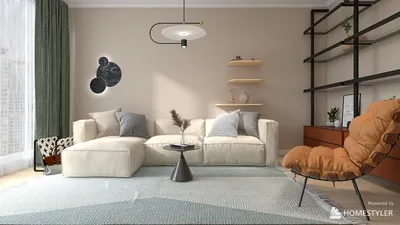
In one of my projects, I installed floor-to-ceiling slats in an office after the client was enamored with a particular photo, only to realize that the slats clashed with the desk's finish and created an uncomfortable, sauna-like atmosphere. This experience taught me the importance of evaluating finishes in real light before making final decisions, and factoring in the overall flow with furniture and the office layout.
Small office spaces challenge you to think creatively; the appropriate wall paneling can enhance warmth, conceal clutter, and boost acoustics. Drawing from a decade of experience, I present five practical solutions that strike a balance between aesthetics, budget, and functionality.
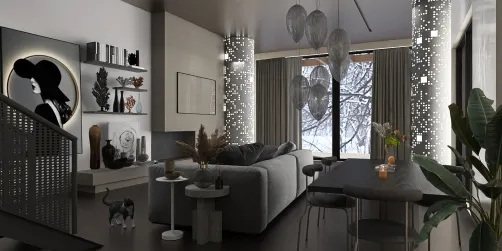
1. Vertical wood slats: adding rhythm and acoustic benefits
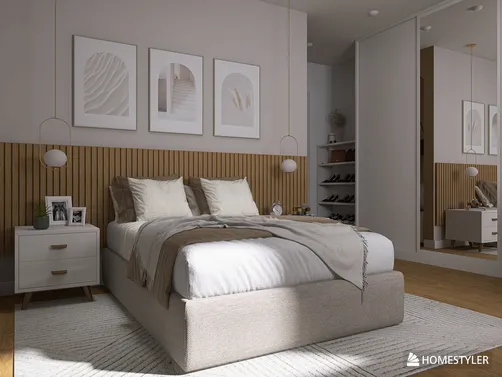
Vertical slats have become my preferred choice for injecting texture into narrow spaces. They create an impression of height, mitigate glare, and—when paired with mineral wool—significantly enhance speech clarity in compact meeting areas. However, be prepared for higher costs and the need for precise installation; achieving tight tolerances is crucial. One way to save money is to combine solid wood for focal walls with MDF for trim.
save pin
2. Upholstered fabric panels provide a soft, sound-absorbing option
I often recommend upholstered panels to startups that require a quieter environment for brainstorming sessions. The team appreciates the sound-dampening effects and the ability to pin notes directly onto the surface. These panels are warmer than wood and are available in a multitude of colors, but they do require more upkeep and may not perform well in areas with food or high humidity.
save pin
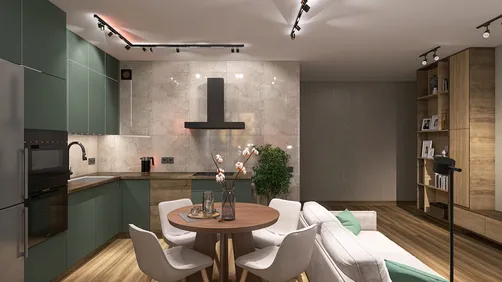
3. Geometric MDF panels—affordable and paintable
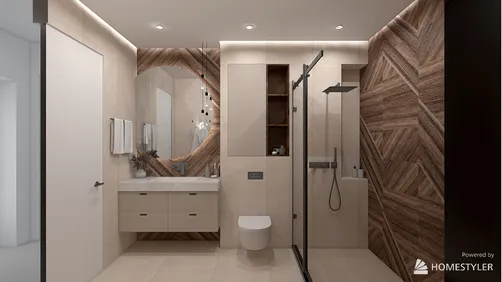
To infuse a mid-project burst of personality, I frequently utilize routed MDF panels painted in multiple tones. They are budget-friendly, quick to install, and can be aligned with company branding. For client approval, using a 3D render of the space helps in visualizing the effects of scale and shadow play—this feature is well-received by clients who wish to see the design at actual size.
save pin
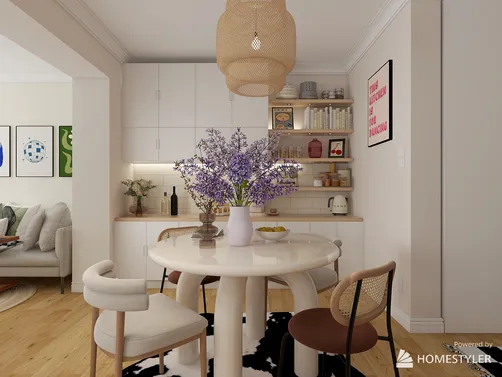
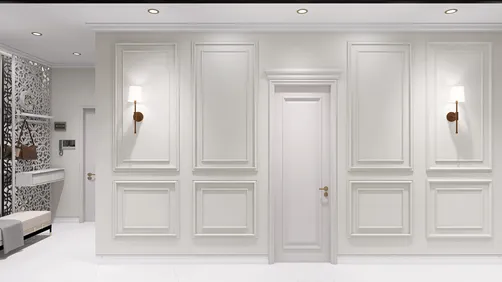
4. Board-and-batten painted wall for classic aesthetics
The board-and-batten approach is surprisingly straightforward: it conveys a timeless feel, conceals wall imperfections, and allows for modular shelving options. This technique is a cost-effective solution for rented offices, as it is reversible; however, a drawback is that narrower battens can accumulate dust, so consideration for easy cleaning is essential.
save pin
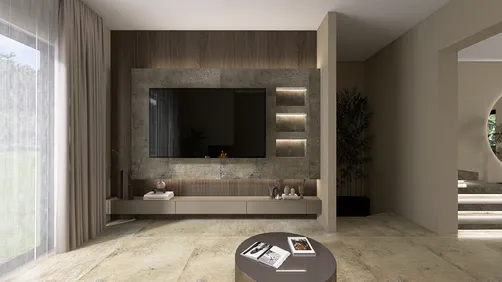
5. Integrated paneling for hidden storage and tech
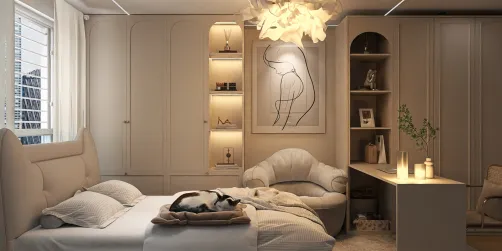
One of my favorite designs involves paneling that cleverly conceals cabinets, wiring, and whiteboards. In one instance, I crafted a panel wall that discreetly hid a complete AV rack behind hinged panels—resulting in sleek lines in view and functional technology hidden from sight. While this technique may come at a slightly higher price point and requires meticulous planning for air circulation and access, it effectively creates a tidy and focused atmosphere in small offices. Utilizing an AI interior design mockup, like Homestyler, helped one client envision their concealed storage options without unexpected surprises.
save pin
Tips:
Maintain a distance of 12 to 18 inches from work surfaces to reduce glare, and always ask for physical samples or small mockups before finalizing selections. For temporary spaces, design using reversible fittings; in permanent setups, consider investing in acoustic backing. When unsure, prioritize simple materials and bold placements instead of intricate details.
save pin
FAQ
Q: Which materials are best for office wall paneling?
A: Common choices include wood slats, MDF, upholstered fabric, and plywood. Your selection should take into account budget constraints, acoustic requirements, and humidity levels. Solid wood offers a luxurious touch, while MDF is more pocket-friendly and offers the option to be painted.
Q: How can I enhance acoustics with paneling?
A: Implementing an acoustic substrate such as mineral wool or foam behind the paneling, opting for fabric-faced panels in meeting areas, and incorporating soft furnishings will make a significant difference. Properly targeting absorption at first-reflection points is crucial for optimal sound management.
Q: Is it possible to conceal cables and technology with paneling?
A: Certainly—by designing ventilated spaces, removable access panels, and routed channels, you can effectively hide wiring and audio-visual equipment while ensuring maintainability.
Q: Is paneling suitable for compact office environments?
A: Definitely. Vertical elements create a perception of height, lighter finishes keep the atmosphere open, and integrated storage solutions help maximize floor space. Key factors are scale and proportion.
Q: What is the cost range for professional paneling installation?
A: Pricing varies significantly based on materials and complexity; simple painted battens will be less expensive, while custom wood slats or acoustic installations can be costly. It’s advisable to obtain three quotes and check for references.
Q: Are upholstered panels compliant with fire safety standards?
A: Ensure that panels meet local fire regulations and have Class A or B ratings where necessary; manufacturers provide safety data and certifications for each product.
Q: Where can I find examples and guidelines on best practices?
A: Several industry organizations and design bodies publish guidelines; for instance, the American Society of Interior Designers (ASID) provides case studies and technical notes that serve as excellent resources for specifications and compliance.
Q: Any straightforward budget tips?
A: Mix high-quality focal panels with painted or MDF alternatives elsewhere; consider semi-custom slat profiles, and plan for electrical and storage solutions behind panels during the design process to avoid expensive retrofits later.
save pin
Homestyler is your go-to online home design platform, perfect for all skill levels. With its user-friendly design tool, stunning 3D renderings, diverse design projects, and helpful DIY video tutorials, you can effortlessly create and visualize your dream space. Start designing today!